
Best Bamboo Varieties for Creating a Living Privacy Screen
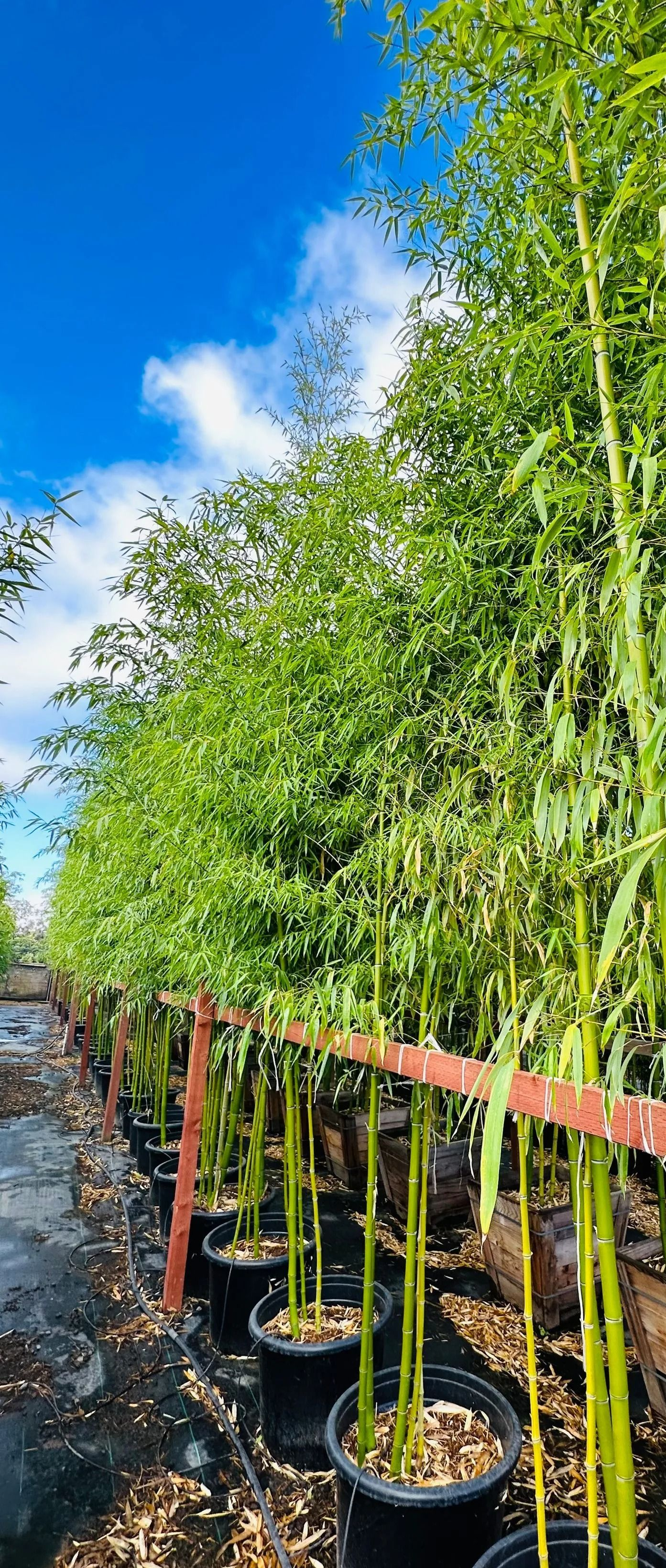
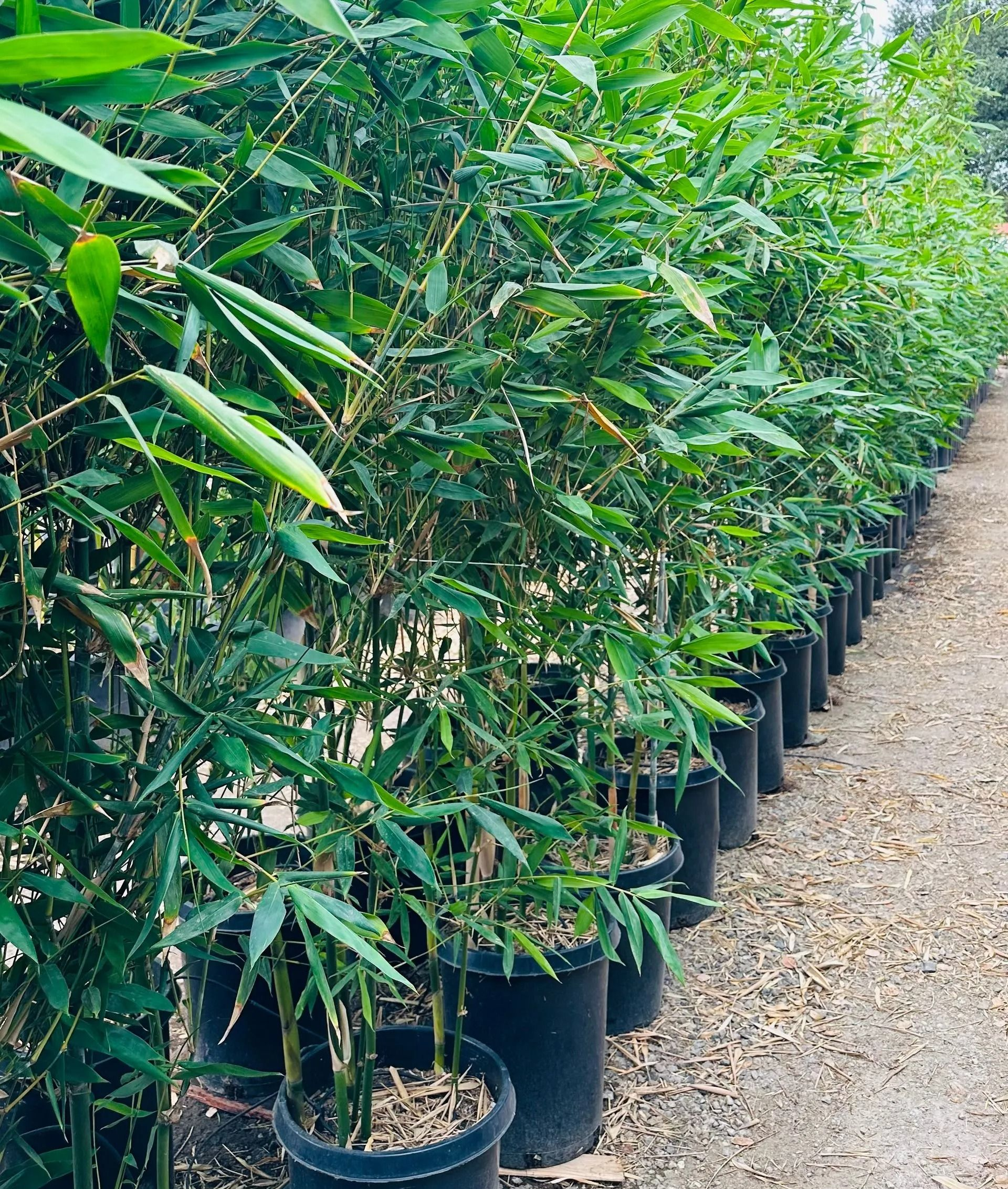
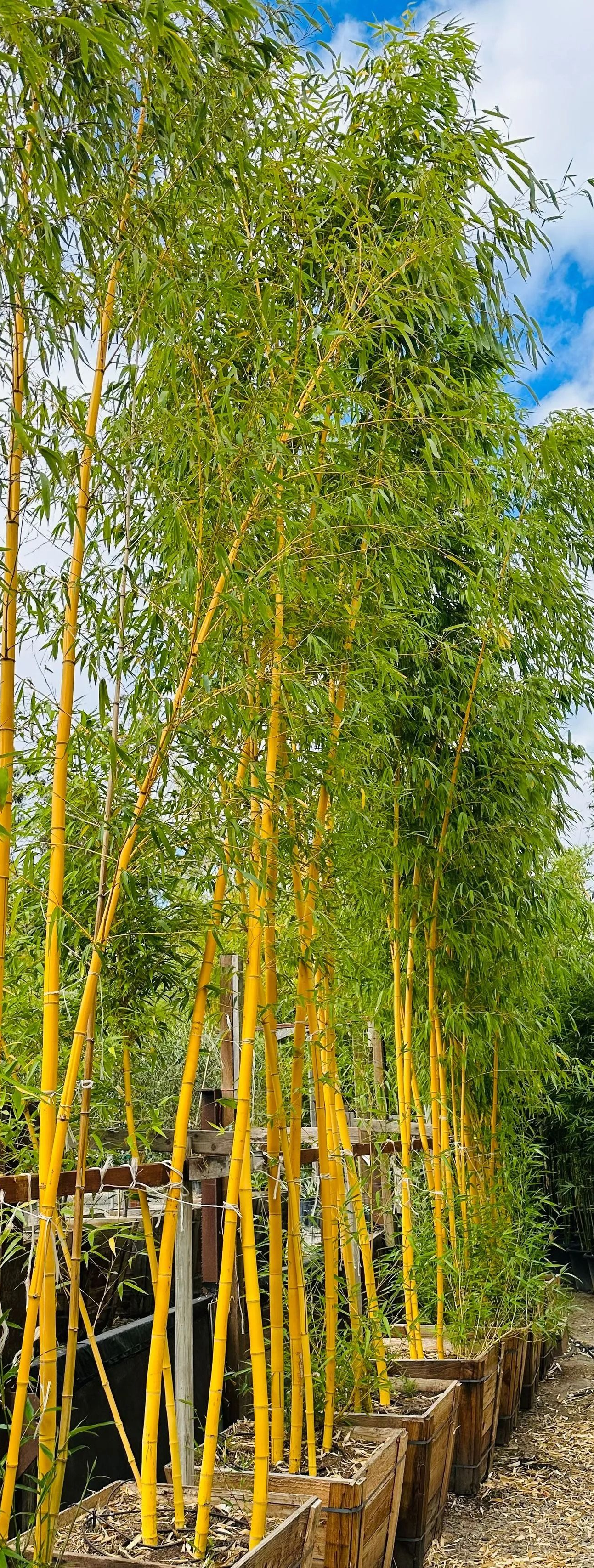
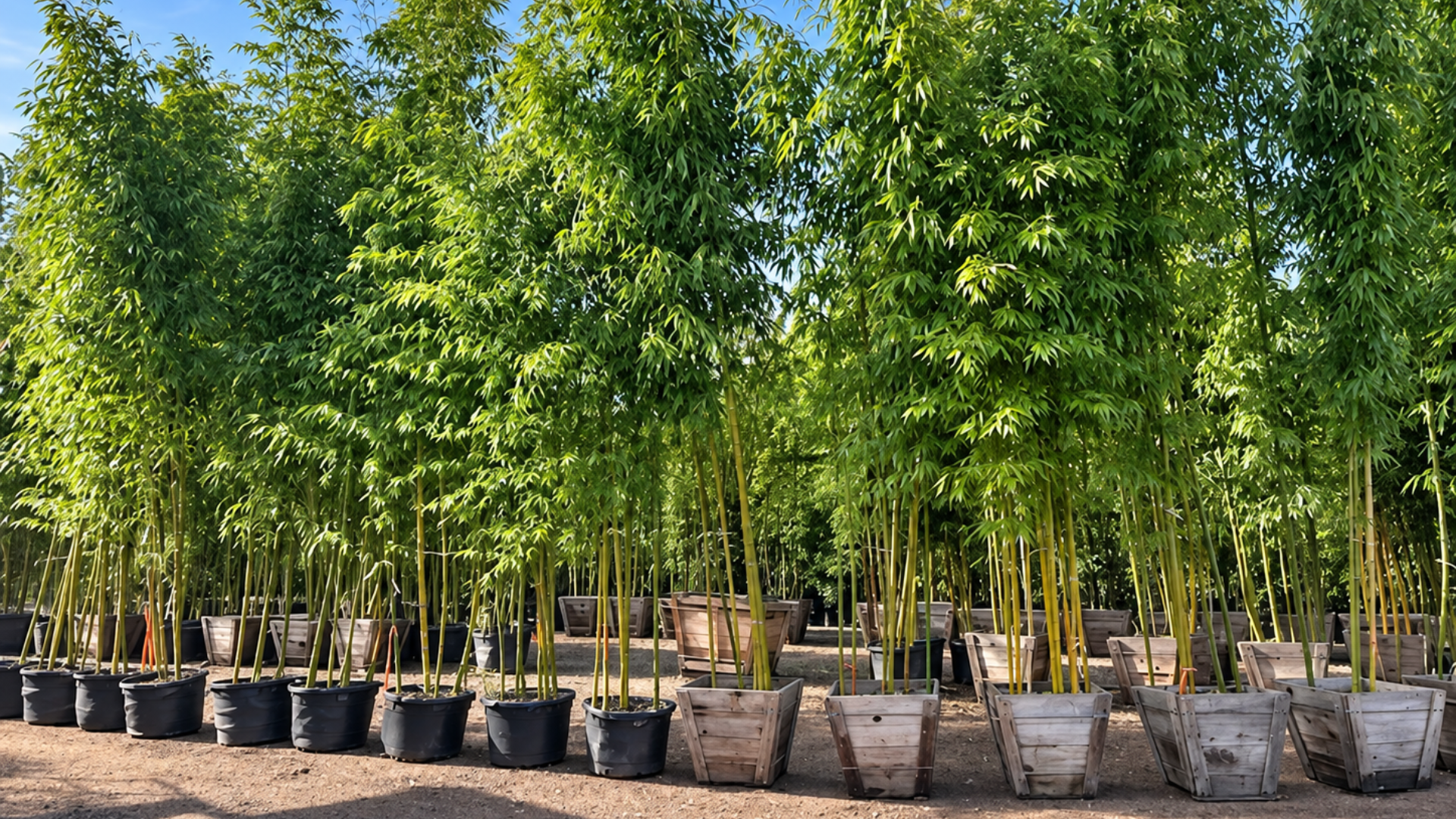
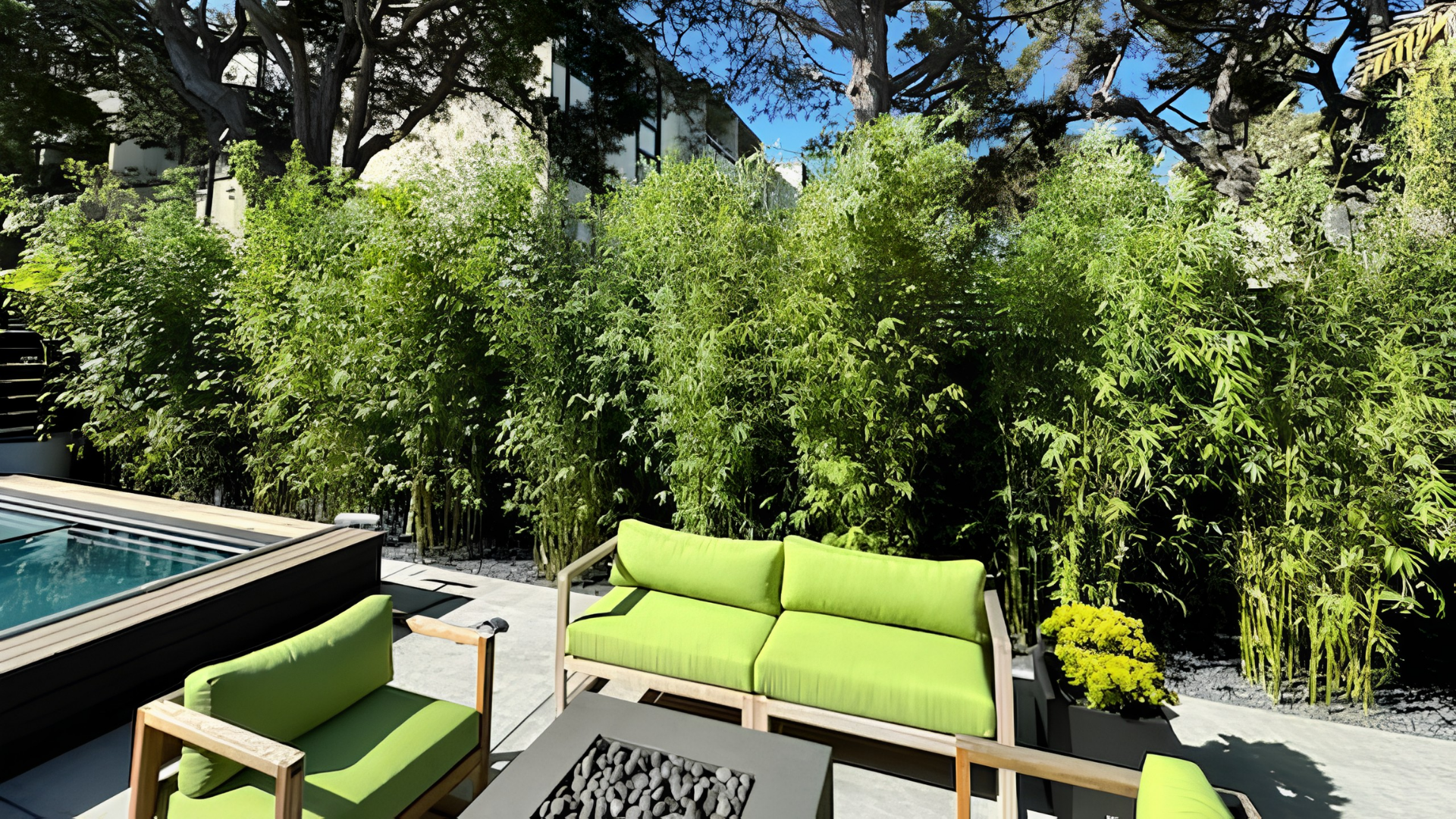
A well-planned bamboo privacy screen can provide height, greenery, movement, and year-round visual separation without relying on a solid fence or wall. For Northern California homeowners, bamboo can be especially useful along property lines, around patios, beside driveways, or anywhere a landscape needs more privacy and structure.
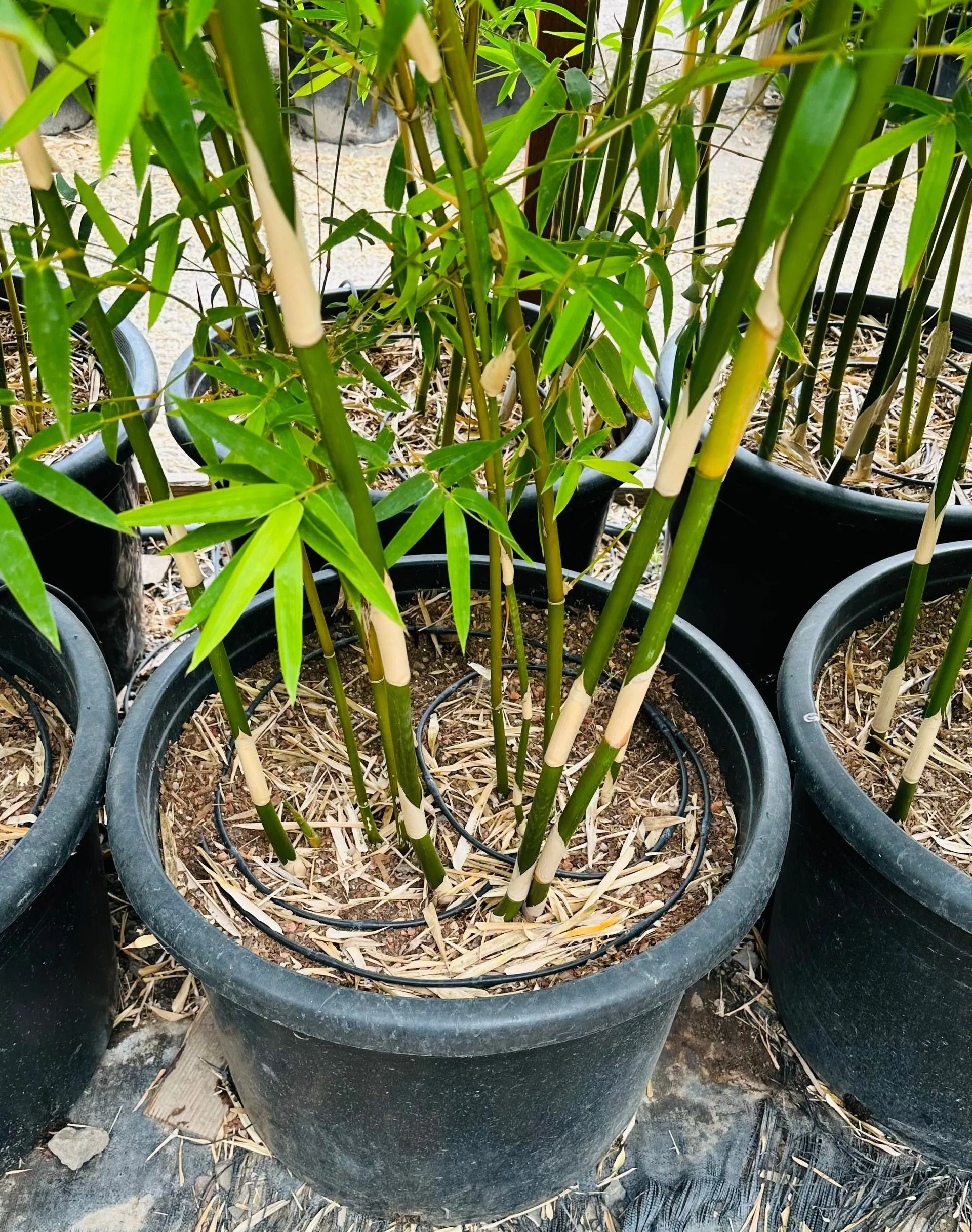
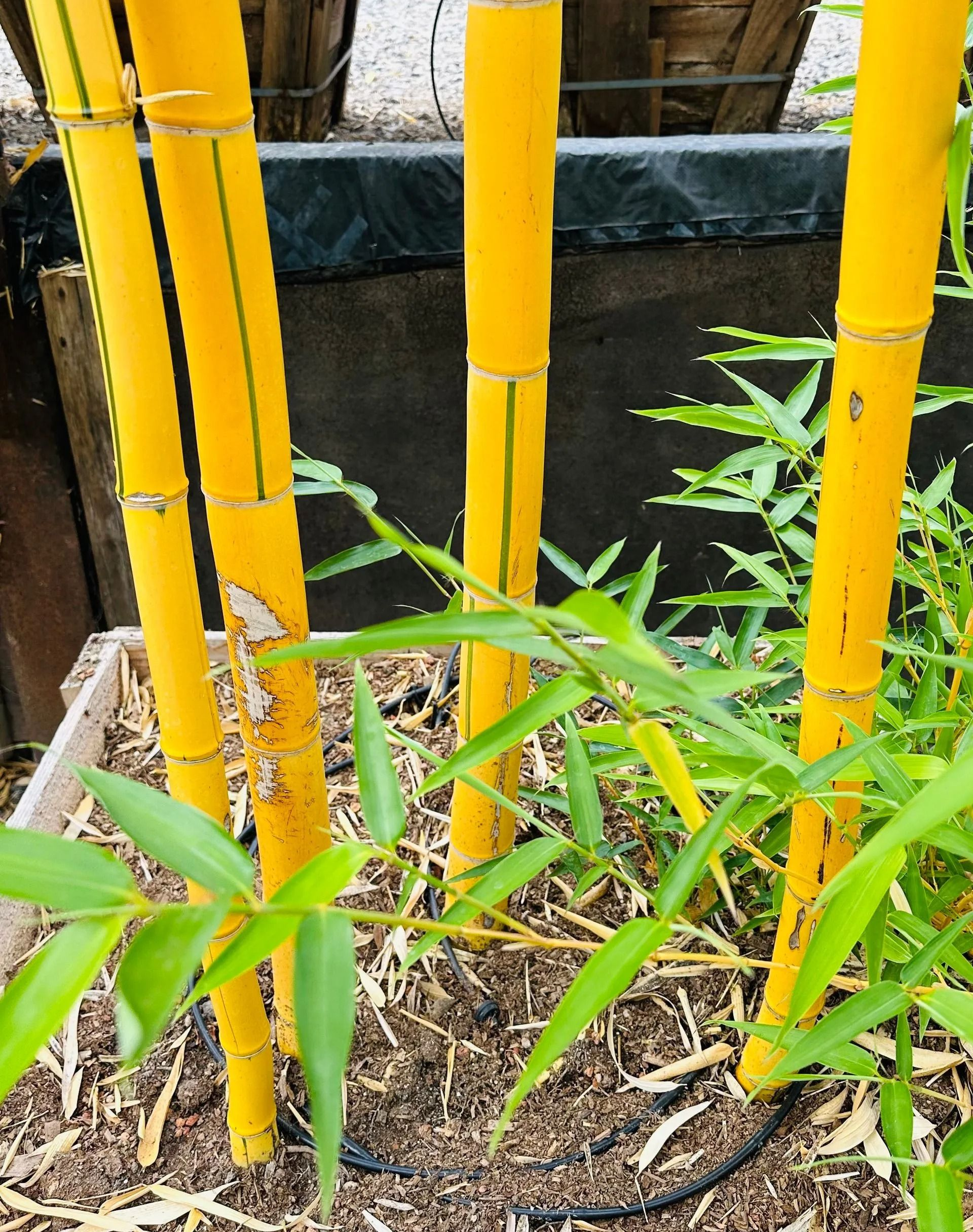
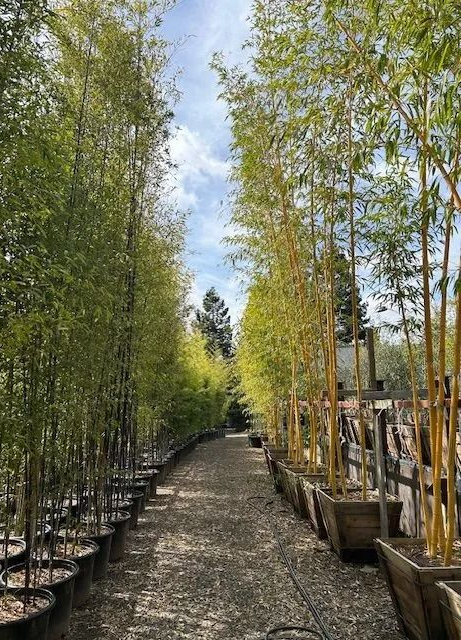
The key is choosing the right type of bamboo for the space. Growth habit, mature height, sun exposure, wind, drainage, and available planting width all matter. Jungle Bamboo and Palm Nursery in Cotati carries a wide selection of bamboo varieties and helps customers choose plants that fit both the landscape and the desired level of screening.
Start With the Right Growth Habit
One of the first decisions is whether to use clumping or running bamboo.
Clumping bamboo grows outward gradually from a central base and generally stays more contained. It can be a good option for homeowners who want a defined screen without aggressive underground spread.
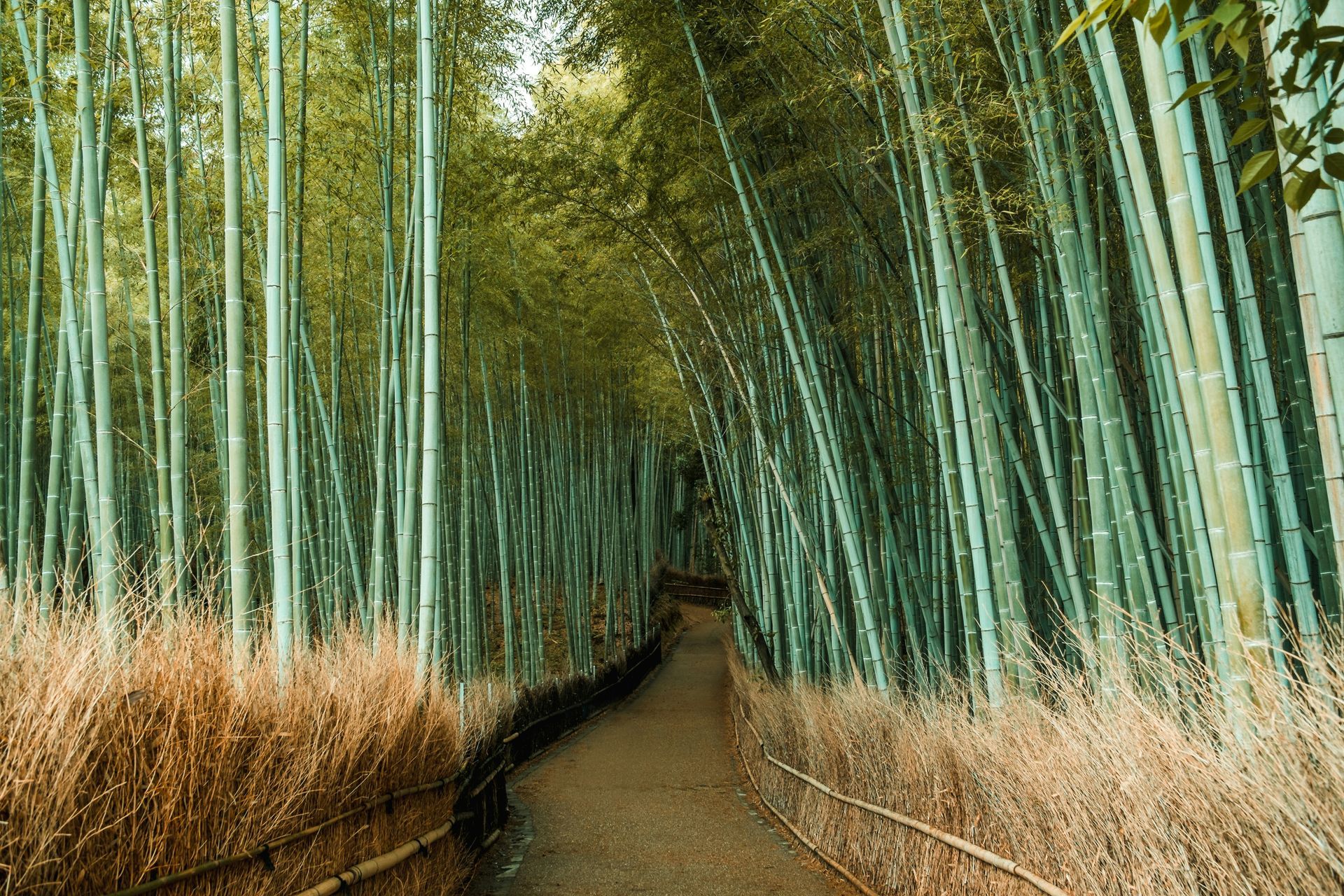
Running bamboo spreads through underground rhizomes and can establish a dense screen more quickly, but it needs to be managed carefully. Root barriers and thoughtful placement may be necessary to keep it within the intended area.
Neither type is automatically better. The right choice depends on the property, available space, and how much maintenance the homeowner is comfortable managing.
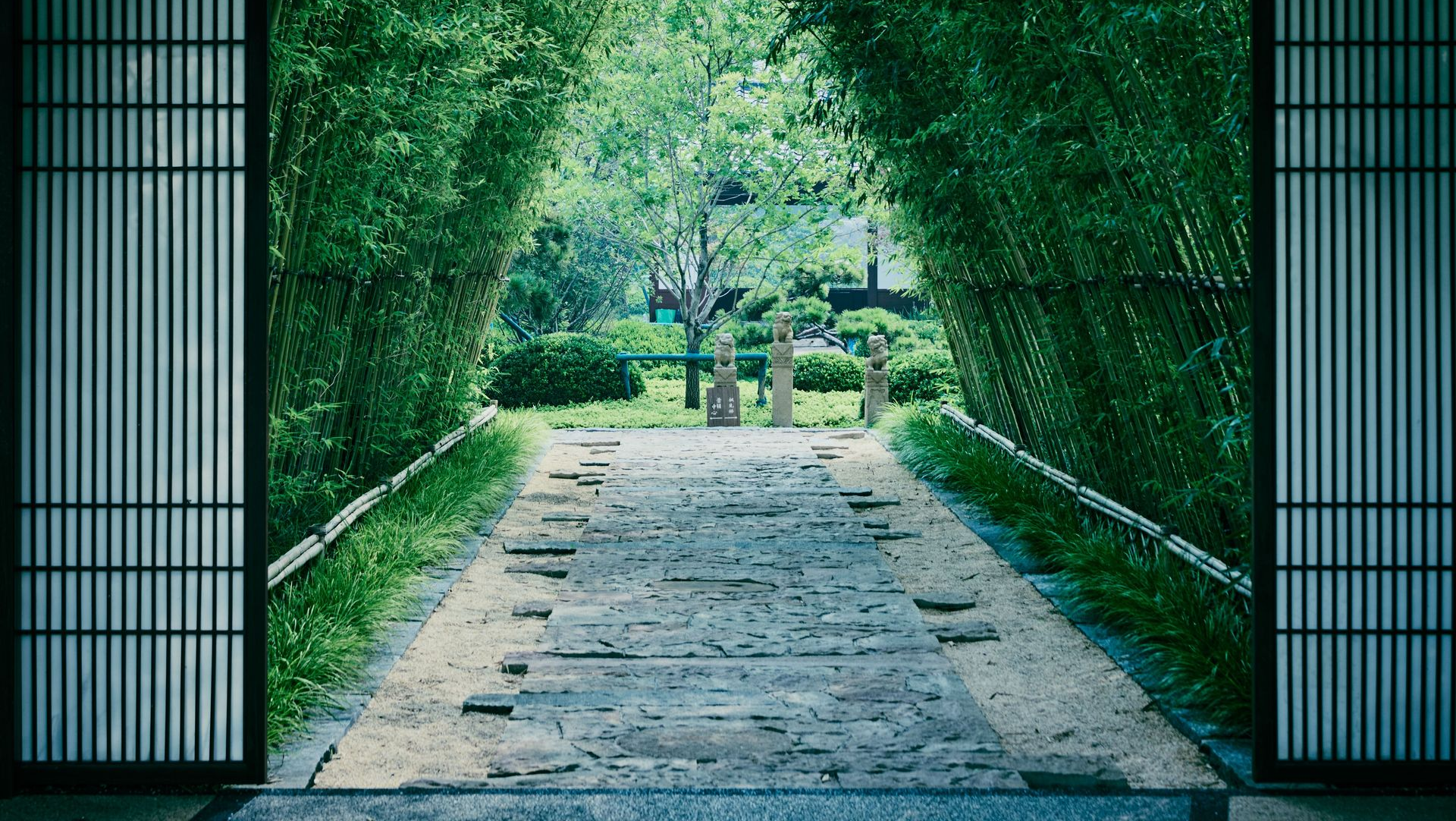
Consider the Height You Actually Need
Not every privacy screen needs to be 20 or 30 feet tall.
If the goal is to block the view from a neighboring patio or create separation along a fence line, a medium-height bamboo may be enough. Taller varieties can be useful for screening second-story windows, commercial properties, or larger outdoor spaces.
It is important to think about mature height before planting. A bamboo that looks perfect in the nursery may eventually become much taller and wider than expected.
Jungle Bamboo and Palm Nursery can help match a variety to the scale of the property so the finished screen feels intentional rather than oversized.
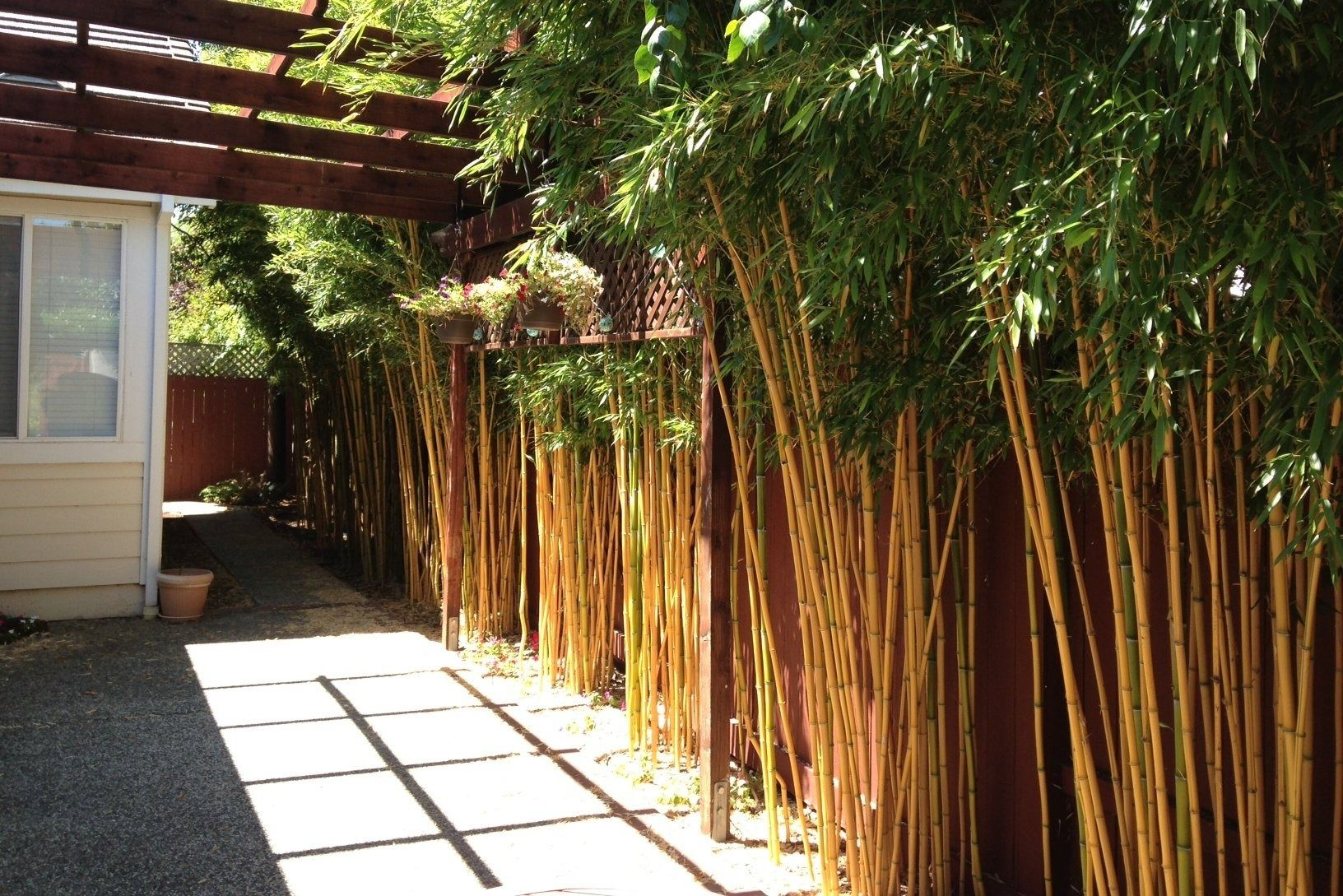
Think About Planting Width
Bamboo can create an effective screen in relatively narrow spaces, which is one reason it is so popular for urban and suburban properties.
However, the available planting strip still matters.
Some varieties remain fairly upright, while others arch outward as they mature. If bamboo is being planted along a walkway, driveway, fence, or property line, the mature width should be considered so the plants do not crowd adjacent areas.
Choosing a more vertical-growing variety can be especially helpful where space is limited.
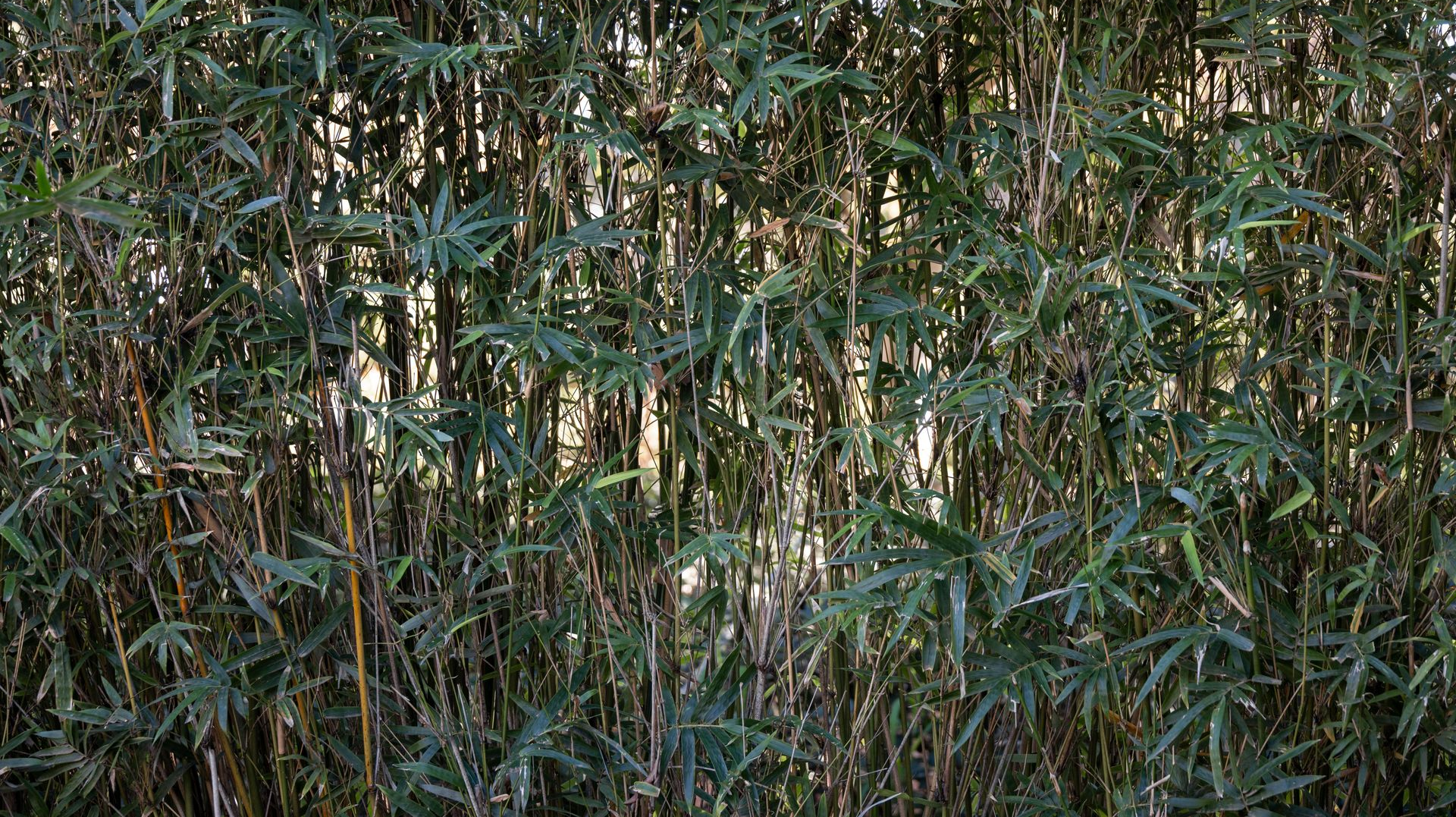
Sun, Wind, and Microclimate Matter
Northern California has a wide range of microclimates.
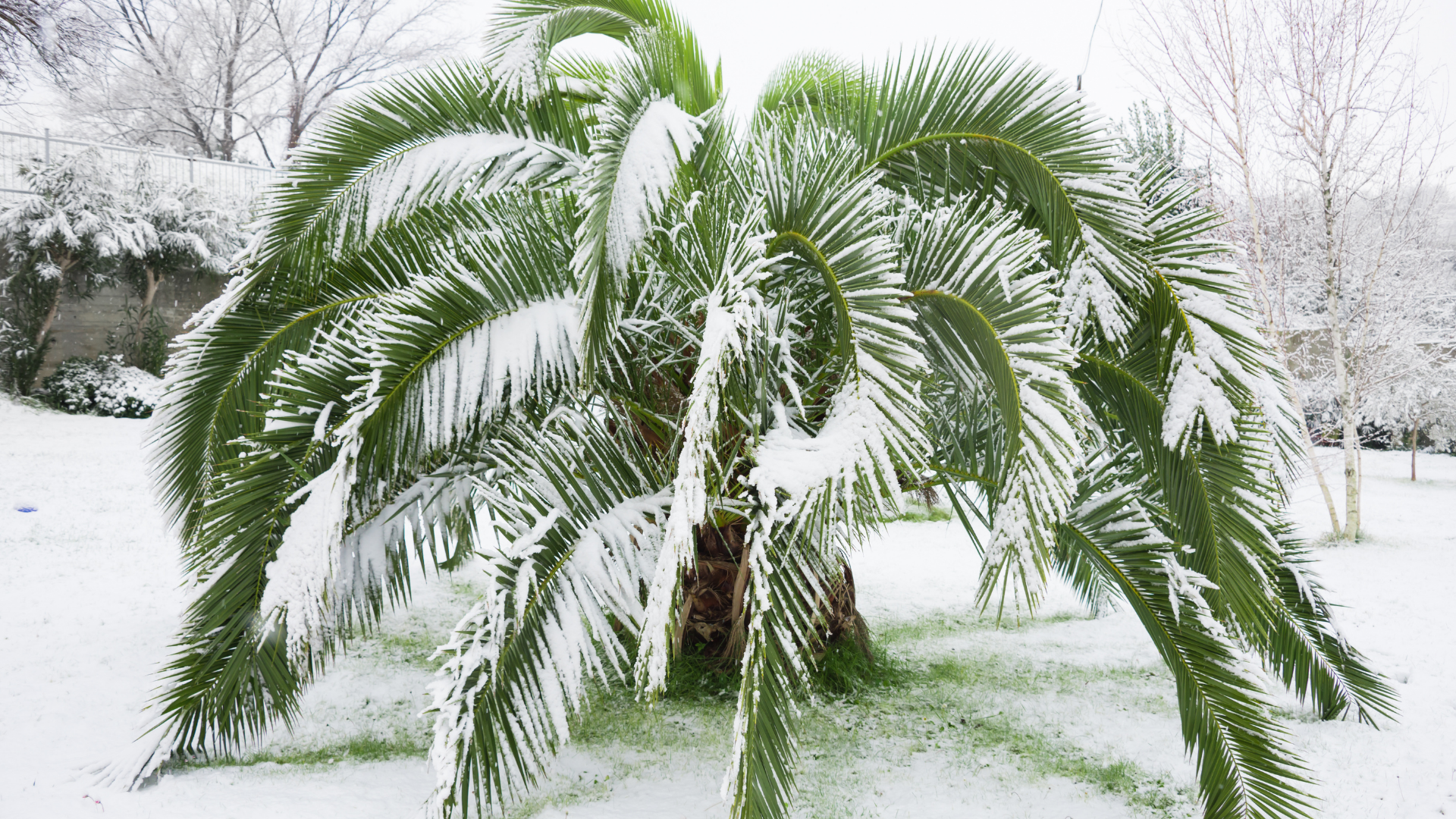
A bamboo that performs well in a protected Cotati backyard may experience very different conditions in a windier or cooler location. Sun exposure, coastal influence, winter temperatures, and afternoon heat can all affect plant performance.
Some bamboo varieties tolerate full sun well, while others prefer partial shade or protection from intense afternoon exposure.
Wind is another important consideration. Tall bamboo can provide excellent screening, but exposed sites may require varieties with stronger culms and a growth habit suited to breezier conditions.
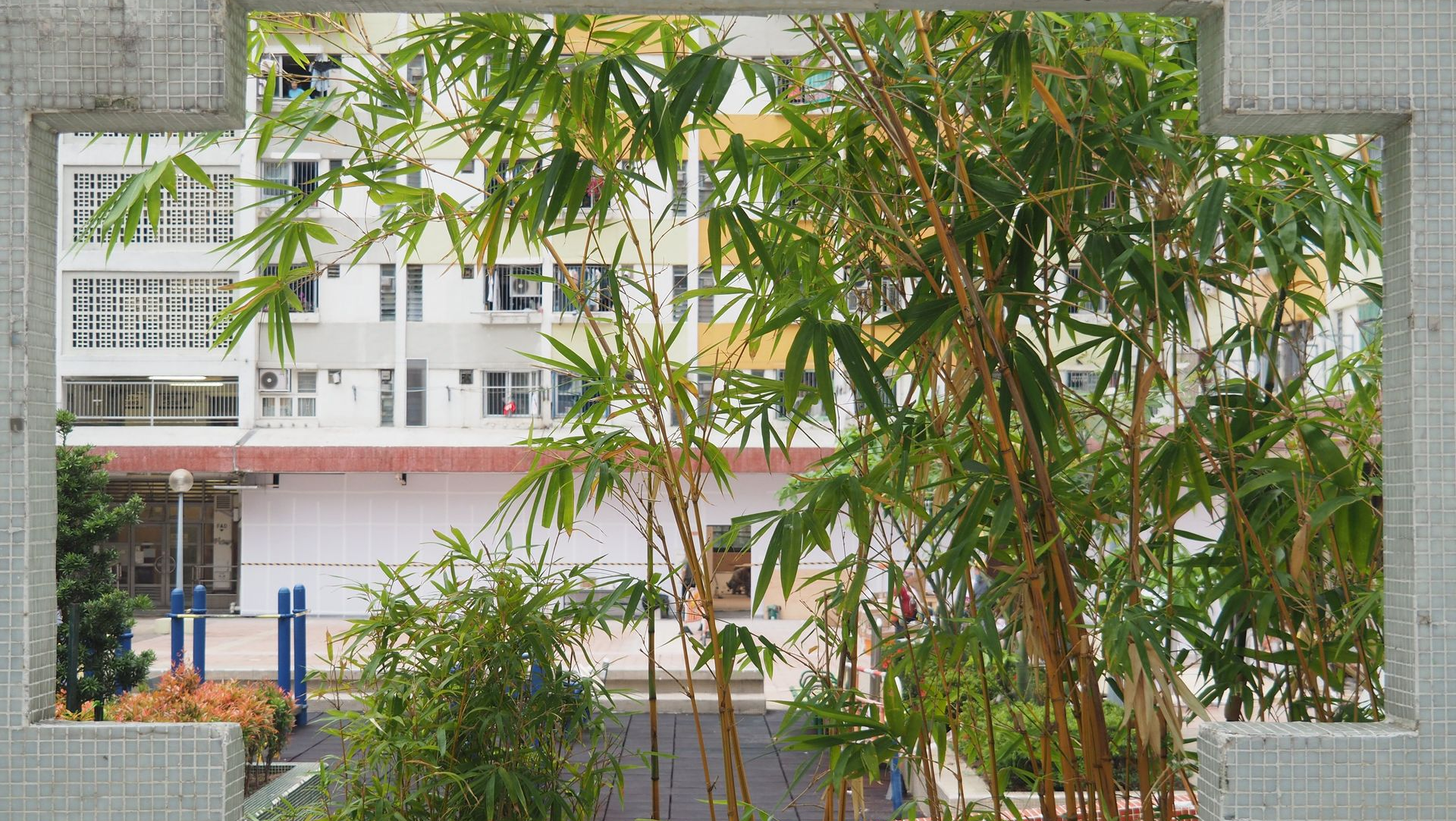
Proper Spacing Helps the Screen Fill In
A common mistake is planting bamboo either too far apart or too close together.
Wider spacing may reduce the initial cost, but the screen can take longer to become dense. Closer planting creates faster visual coverage but requires more plants and may increase competition as the bamboo matures.
The ideal spacing depends on the variety, plant size, growth habit, and desired timeline.
For privacy projects, it is usually better to plan the entire screen before planting rather than adding plants randomly over time.
Do Not Forget Water and Drainage
Newly planted bamboo needs consistent moisture while its root system becomes established.
At the same time, poor drainage can create problems. Bamboo generally performs best when the soil holds enough moisture to support growth without remaining constantly waterlogged.
Irrigation should be planned before installation, especially for longer privacy screens where hand watering may become inconvenient.
Mulching can also help conserve moisture and moderate soil temperatures while the plants establish.
Build Privacy With the Right Plants
Bamboo can create a living screen that feels softer and more natural than a solid barrier while still providing substantial privacy. The most successful installations begin with the right variety, proper spacing, appropriate site conditions, and a clear plan for long-term growth.
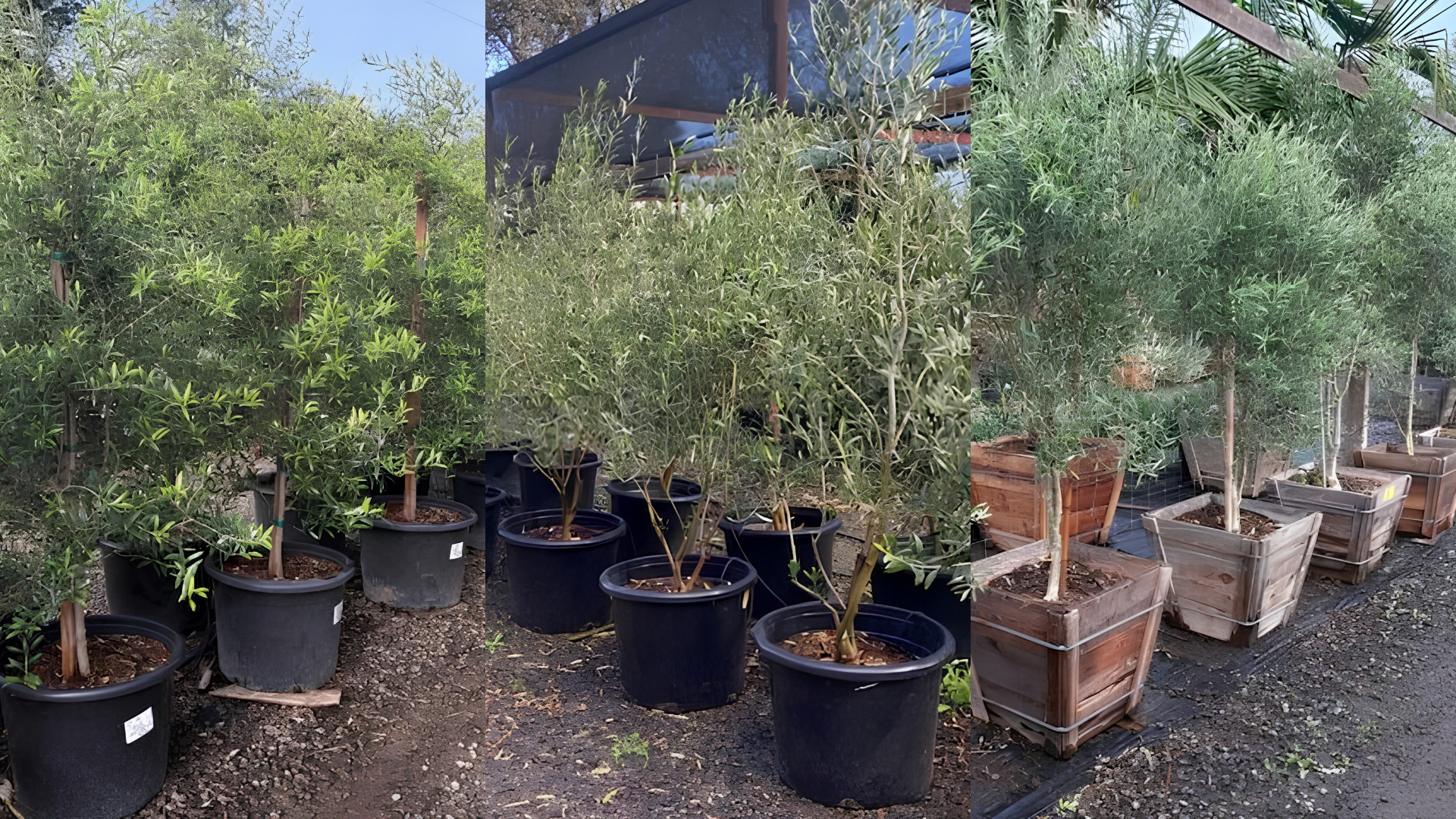
Jungle Bamboo and Palm Nursery carries numerous bamboo varieties suited to different landscape needs throughout Northern California. With decades of combined landscape-industry experience, the team can help homeowners, designers, and landscapers choose bamboo based on height, spread, sun exposure, wind, drainage, and overall design goals. Contact Jungle Bamboo and Palm Nursery in Cotati to explore bamboo options for a privacy screen that fits your property.