
Blog
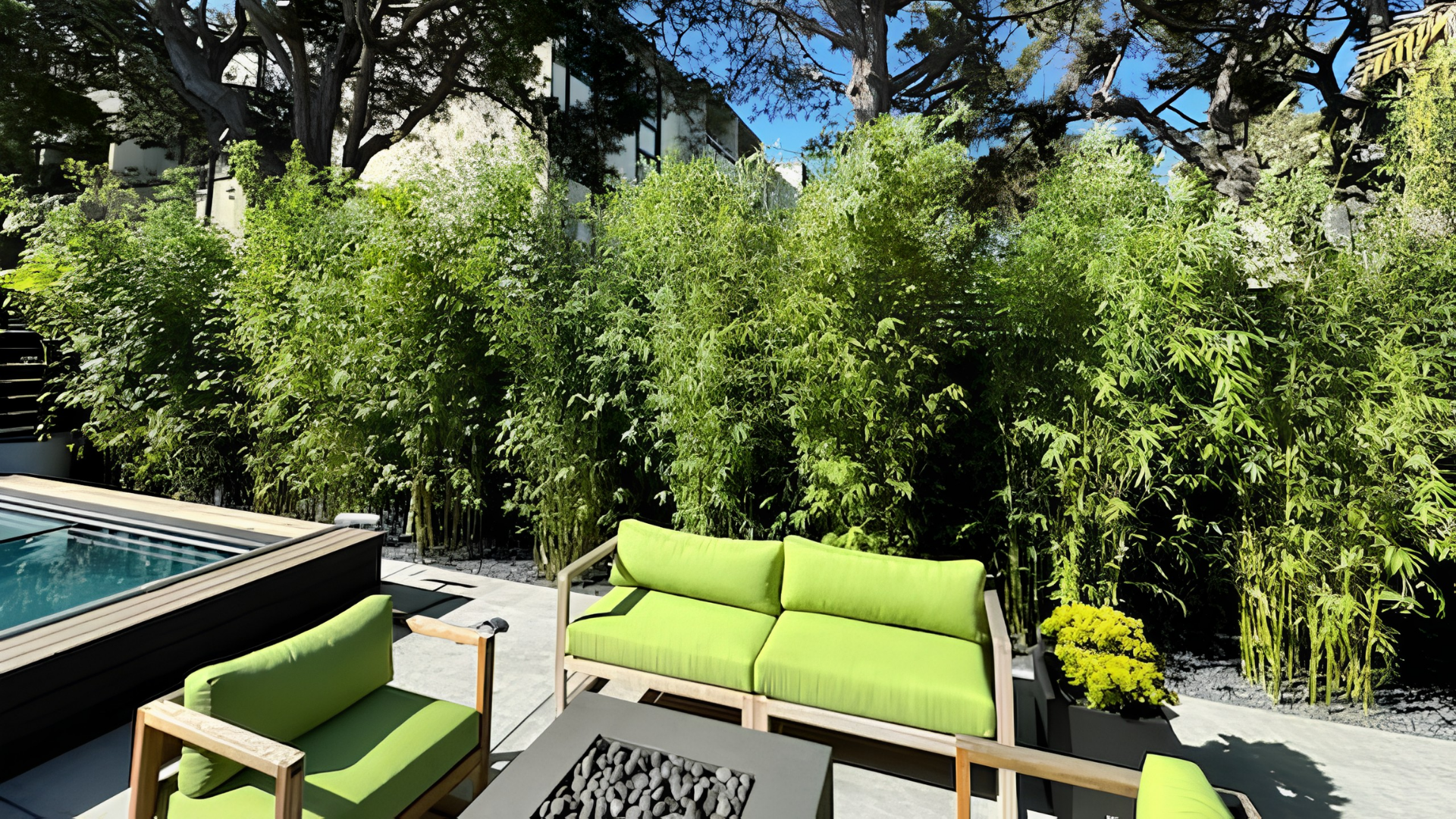
Why One Side of Your Property May Support Different Plants Than the Other Two areas of the same yard can behave like completely different growing environments. One side may stay warm, dry, and protected, while another remains cooler, windier, or more shaded. These small environmental differences are called microclimates, and they can have a major influence on how well bamboo, palms, olives, and other landscape plants perform. For Northern California homeowners, understanding microclimates can make plant selection much more accurate than relying on regional climate information alone.
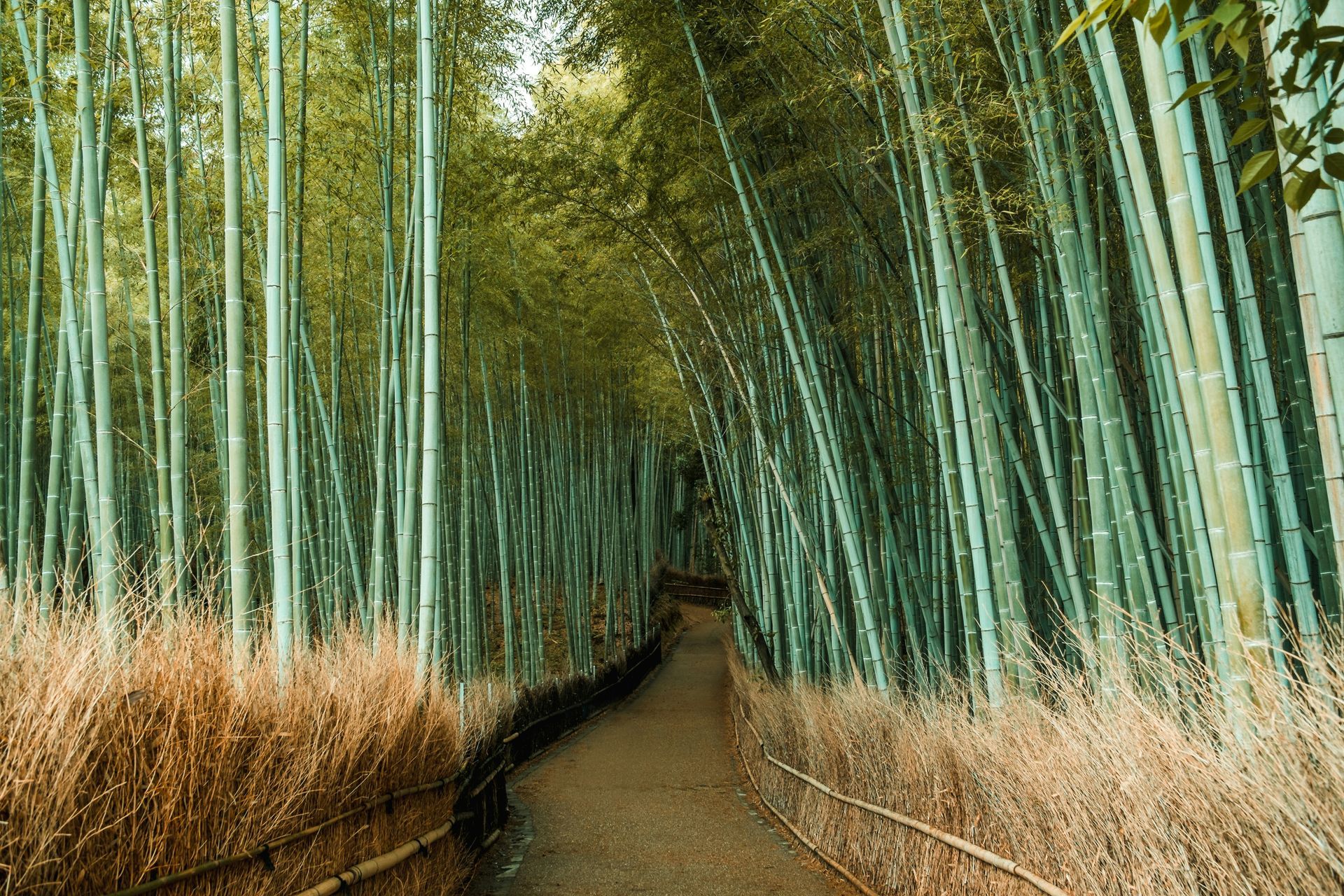
Bamboo can be an excellent choice for privacy, screening, structure, and dramatic landscape design, but choosing the right type matters. One of the most important distinctions is whether the bamboo is clumping or running. Both types can be attractive and useful, but they grow differently and require different planning. For homeowners in Northern California, understanding that growth habit before planting can help avoid future maintenance problems and make it easier to select bamboo that fits the property. What Is Clumping Bamboo? Clumping bamboo grows outward gradually from a central root mass . New shoots generally emerge relatively close to the existing plant, causing the bamboo to expand as a widening clump rather than rapidly spreading across a large area. This more contained growth habit makes clumping bamboo appealing for homeowners who want the height, texture, and privacy of bamboo without managing aggressive underground spread. Clumping varieties can work especially well near patios, property lines, courtyards, and other areas where maintaining a defined planting zone is important.
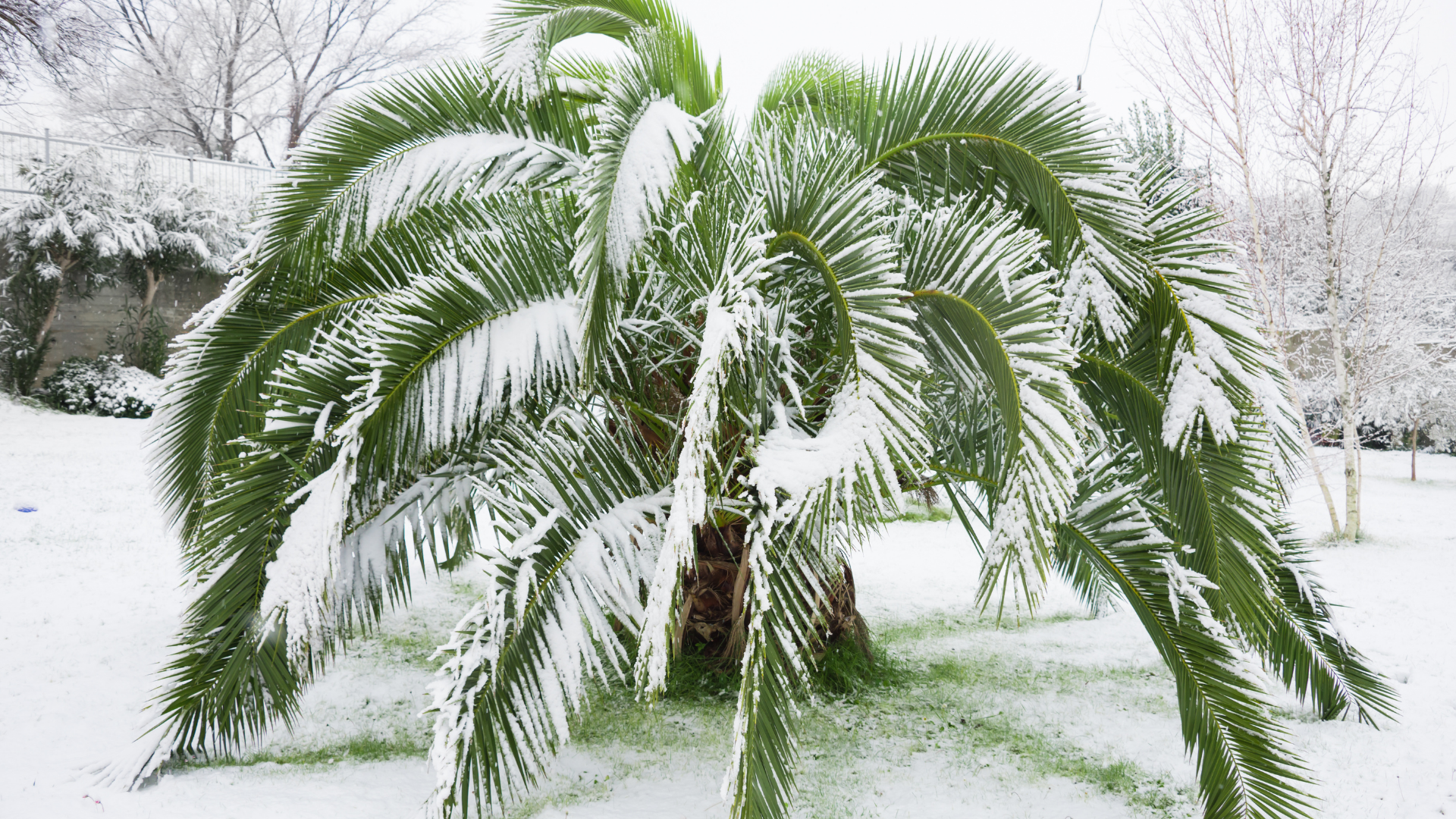
Palm trees are often associated with warm tropical climates, but many species can grow successfully in cooler regions when they are matched carefully to local conditions. In Northern California , choosing a palm based on appearance alone can lead to disappointment if the tree is not suited to winter temperatures. For homeowners, landscapers, and designers, cold hardiness should be one of the first factors considered when selecting a palm. Jungle Bamboo and Palm Nursery specializes in climate-adapted and cold-resistant palms for Northern California landscapes, where temperatures and microclimates can vary considerably from one property to another.
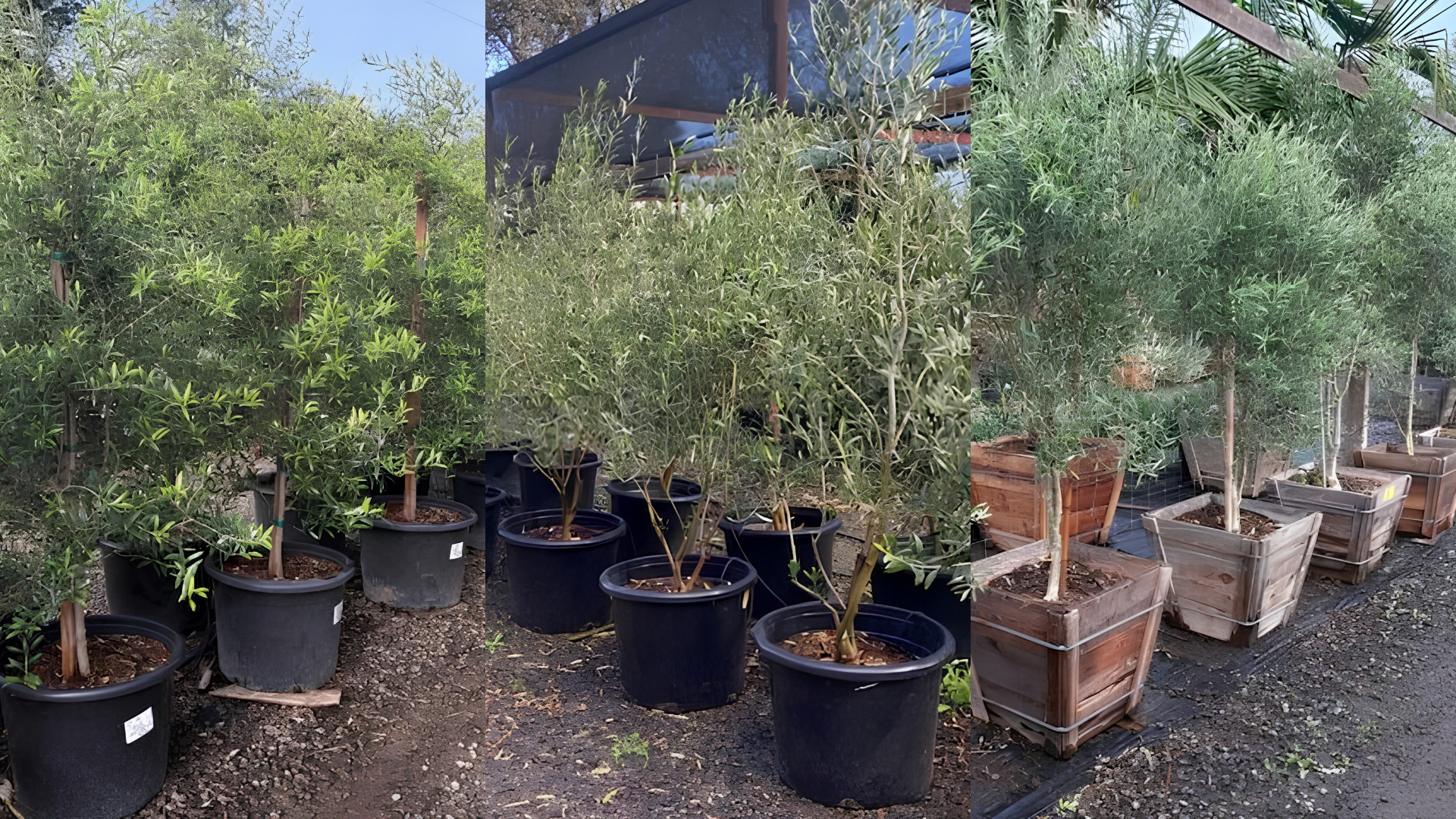
Olive trees bring a distinctive Mediterranean character to Northern California landscapes. Their silvery-green foliage, sculptural branching, and ability to serve as either a focal point or part of a larger planting design make them especially versatile. At Jungle Bamboo and Palm Nursery in Cotati , customers can explore several olive varieties, including Manzanillo, Wilsonii, and Majestic Beauty. While all three offer the classic look associated with olive trees, they differ significantly in fruit production, maintenance considerations, and how they are typically used in the landscape.
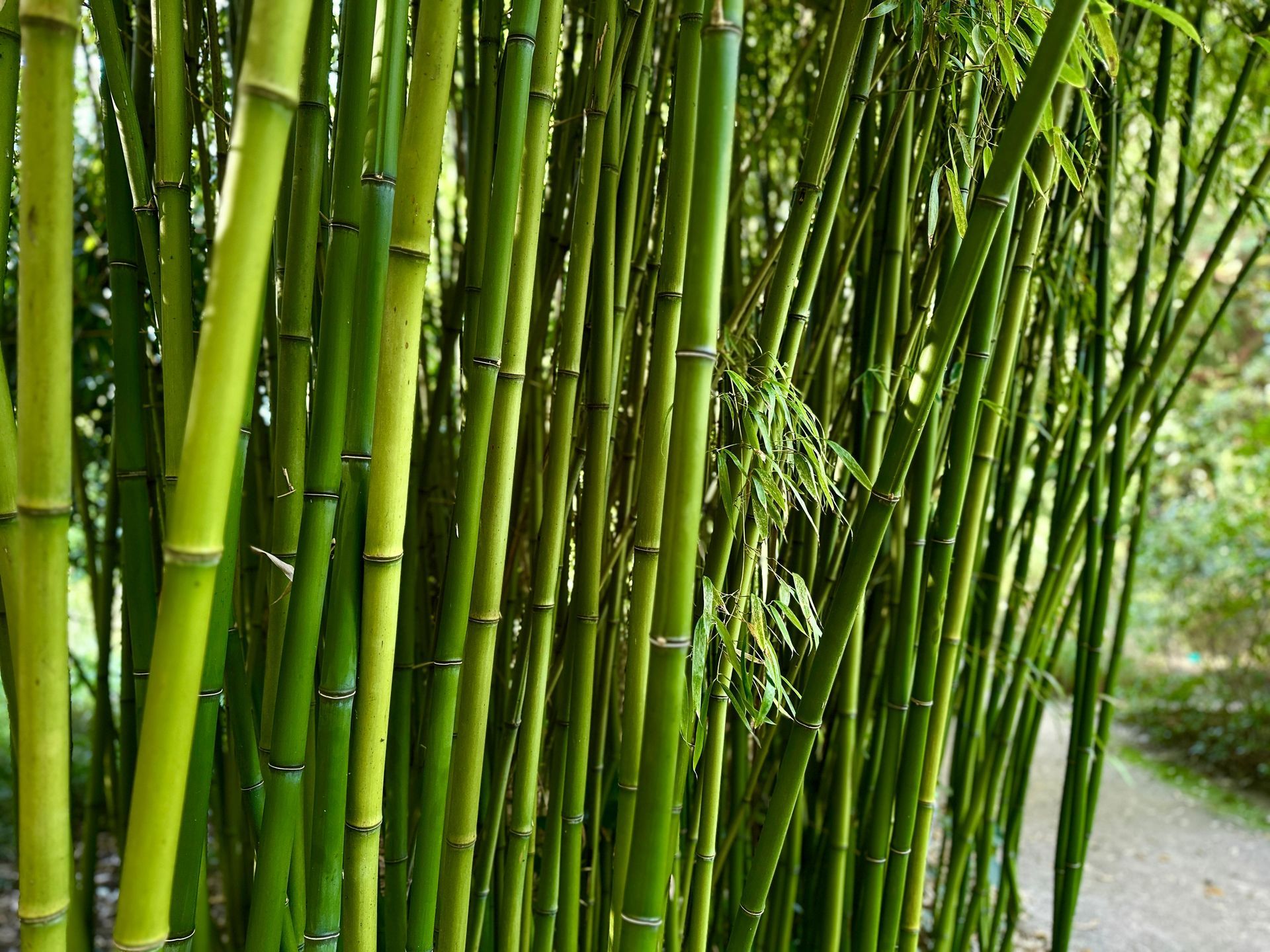
A well-planned bamboo privacy screen can provide height, greenery, movement, and year-round visual separation without relying on a solid fence or wall. For Northern California homeowners, bamboo can be especially useful along property lines, around patios, beside driveways, or anywhere a landscape needs more privacy and structure. The key is choosing the right type of bamboo for the space. Growth habit, mature height, sun exposure, wind, drainage, and available planting width all matter. Jungle Bamboo and Palm Nursery in Cotati carries a wide selection of bamboo varieties and helps customers choose plants that fit both the landscape and the desired level of screening. Start With the Right Growth Habit One of the first decisions is whether to use clumping or running bamboo. Clumping bamboo grows outward gradually from a central base and generally stays more contained. It can be a good option for homeowners who want a defined screen without aggressive underground spread. Running bamboo spreads through underground rhizomes and can establish a dense screen more quickly, but it needs to be managed carefully. Root barriers and thoughtful placement may be necessary to keep it within the intended area. Neither type is automatically better. The right choice depends on the property, available space, and how much maintenance the homeowner is comfortable managing.
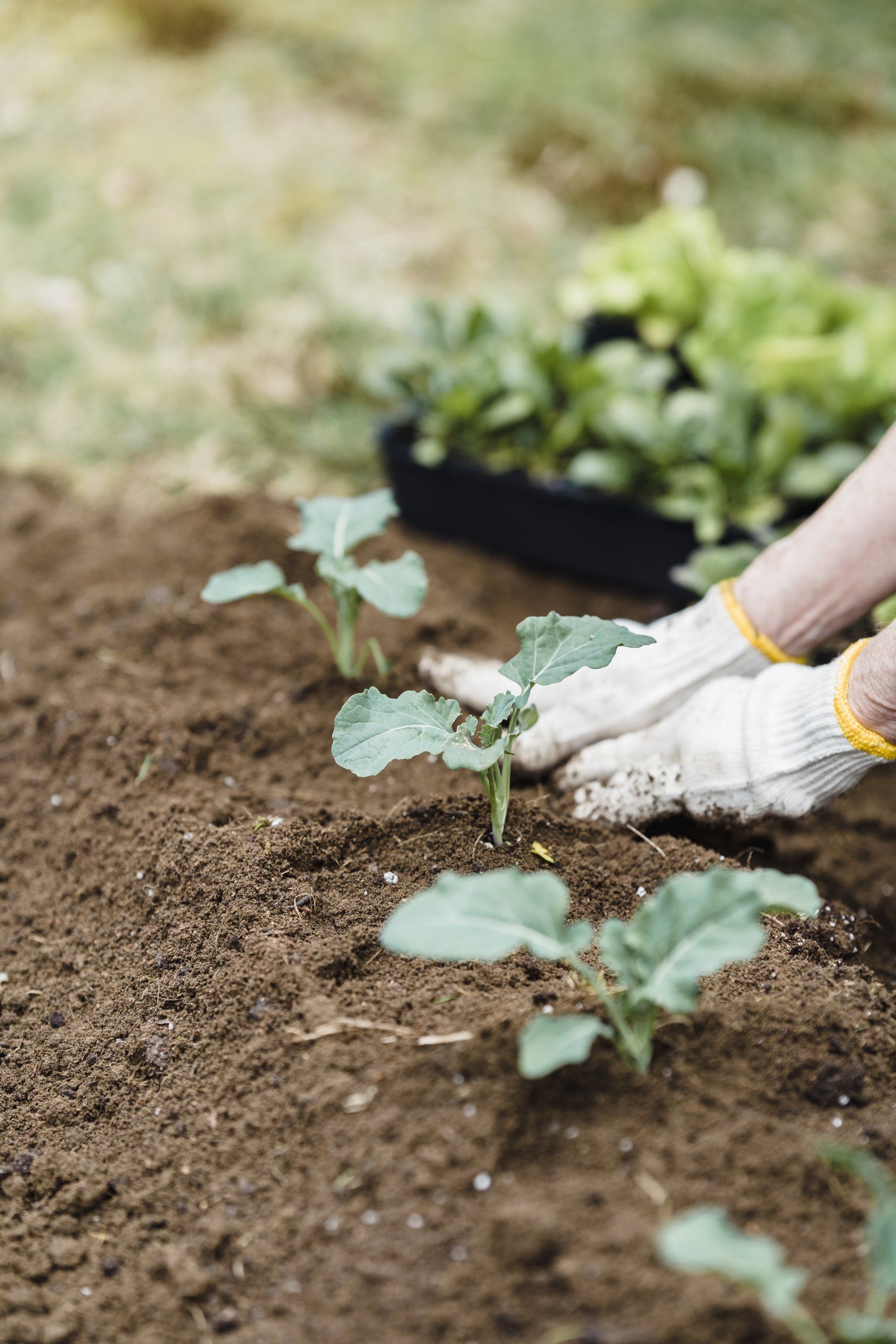
Discover effective fertilization tips for bamboo, palm, and olive trees. Enhance your garden’s growth with expert advice—read more now!
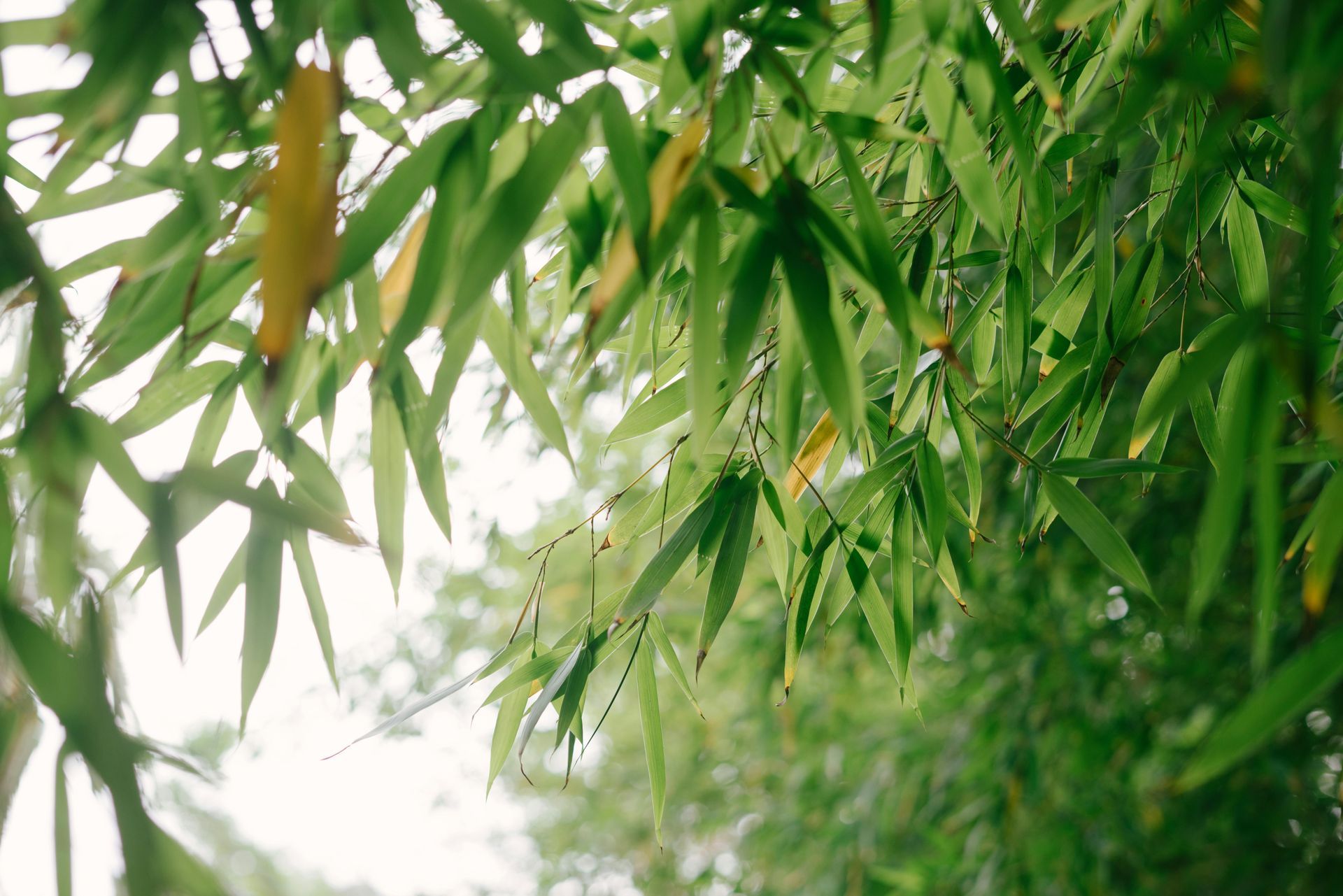
Learn how trimming jungle bamboo and palms boosts health and appearance. Get expert tips for maintaining vibrant plants and enhancing garden aesthetics.
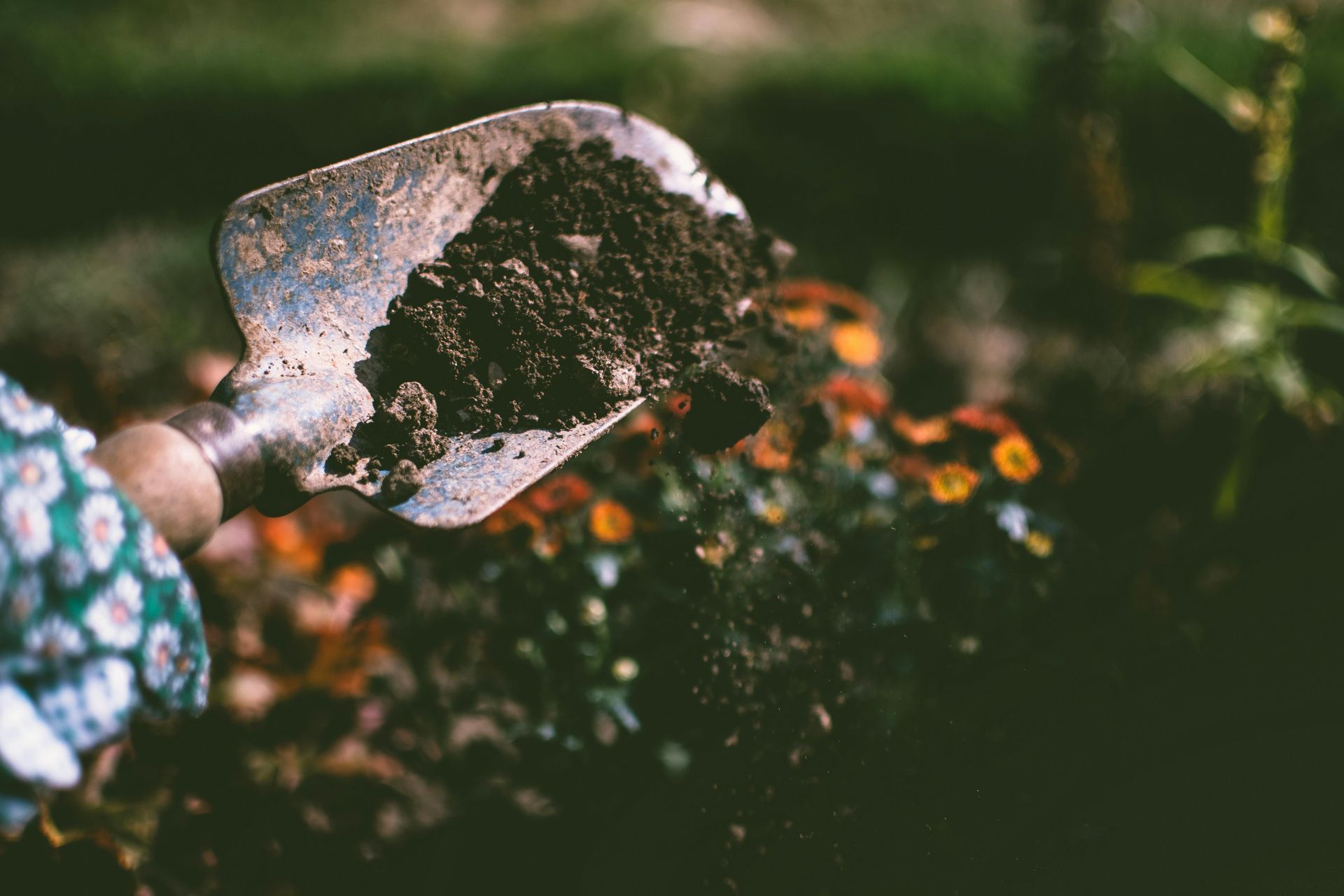
Learn how to plant bamboo and palm trees for healthy growth and stability. Get expert tips to ensure long-term success in your garden—read more now!
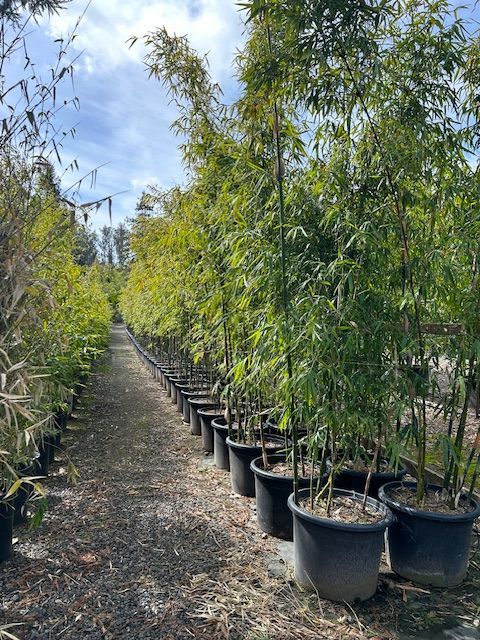
Discover a better drainage technique for your bamboo, palm, and olive trees. Improve soil health and plant growth with expert drainage tips—read more now!
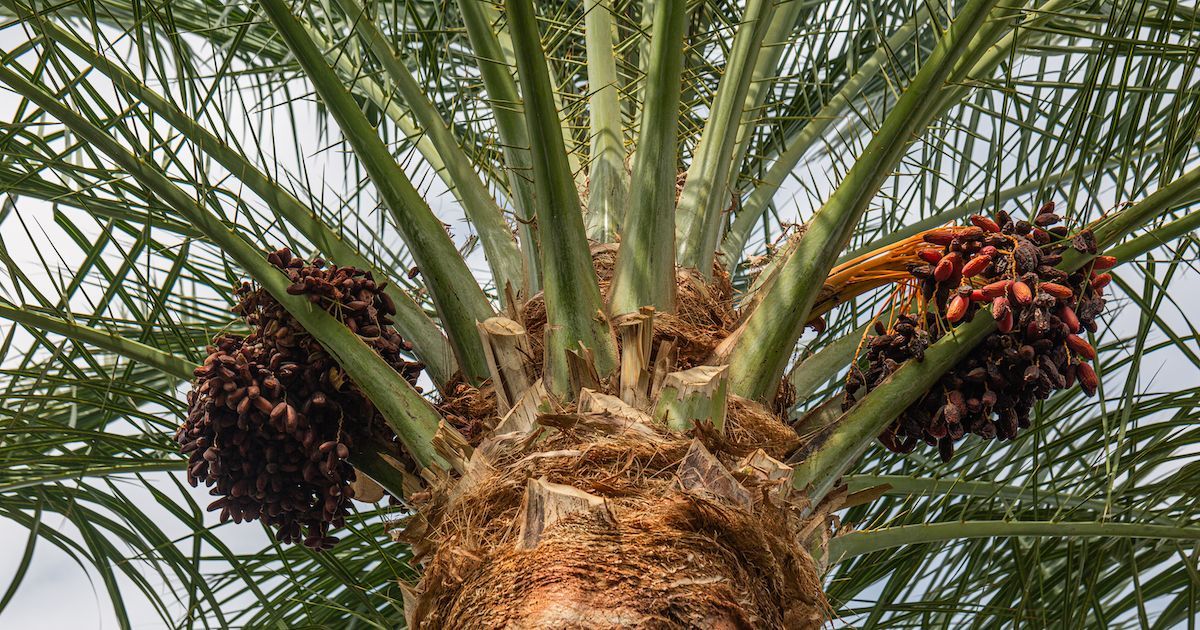
Learn the best watering techniques for jungle bamboo and palms. Ensure healthy growth with expert tips on proper watering—read more for plant care advice!
