
Why Bamboo Flowering Cycles Are So Unusual
Bamboo is already unusual compared with many landscape plants, but its flowering cycle may be one of its most fascinating traits.
Unlike annuals or flowering shrubs that bloom on a predictable seasonal schedule, many bamboo species can go decades without producing flowers. Some may flower only after extremely long intervals, while others bloom more sporadically. In certain species, large numbers of plants may flower at roughly the same time, even when they are growing far apart.
For homeowners growing bamboo in Northern California, flowering can be surprising, especially because it may be accompanied by changes in foliage, vigor, and the long-term health of the plant.
Bamboo Does Not Follow a Typical Flowering Schedule
Most gardeners are accustomed to plants flowering every year or at least every few seasons.
Bamboo can behave very differently.
Depending on the species, flowering intervals may range from relatively frequent to more than a century. University of Georgia Extension notes that some species flower annually, while others may not flower for more than 100 years.
That makes bamboo flowering difficult to predict simply by looking at the age of a plant in the landscape.
A bamboo purchased recently may have been propagated from a much older genetic line, so the clock governing its flowering cycle may have started long before it arrived at a nursery or residential property.
Some Bamboo Flowers All at Once
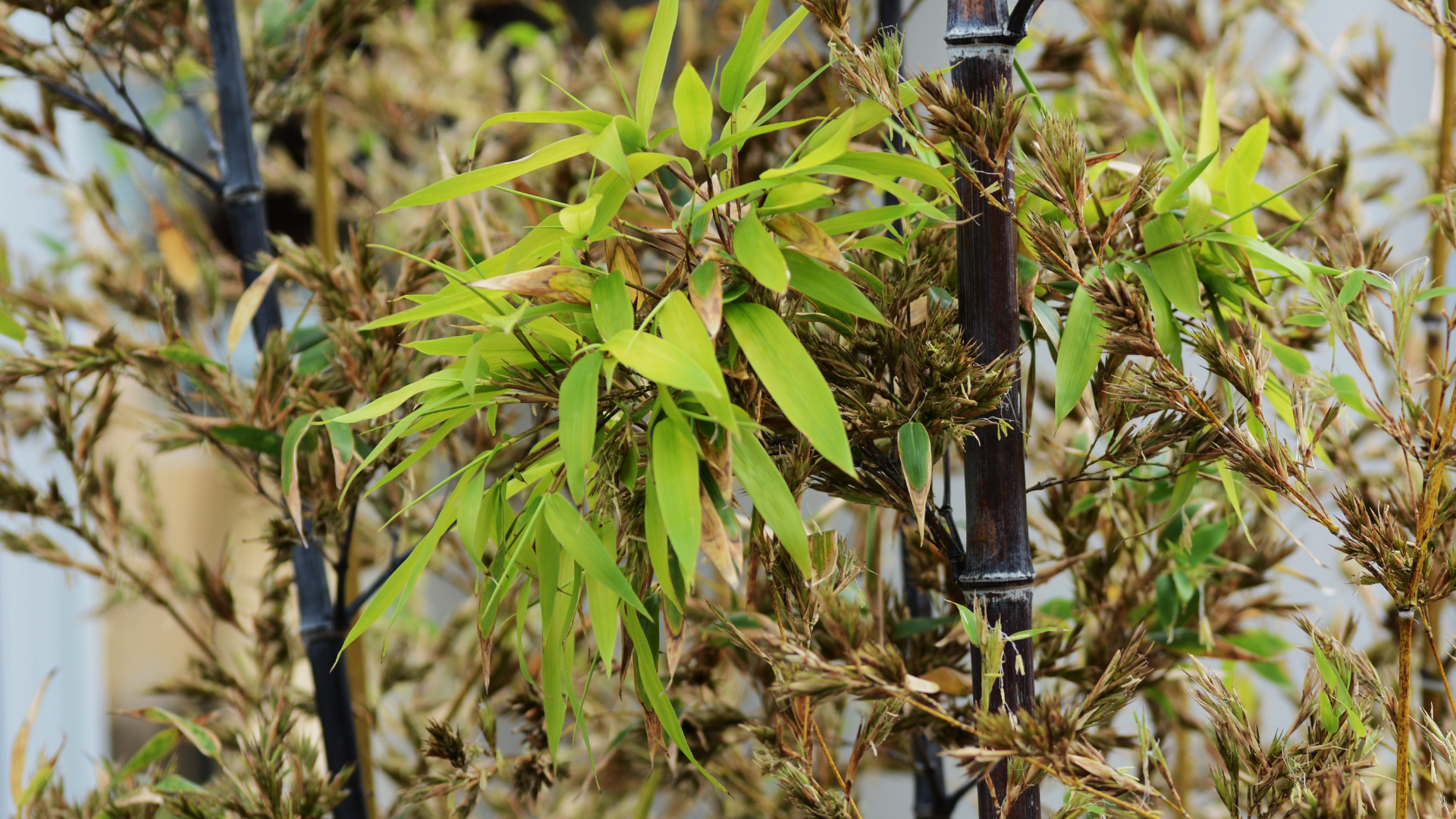
One of the most unusual patterns is known as gregarious flowering.
With this behavior, many culms on the same clonal plant—and sometimes plants of the same species growing in different locations—may flower and produce seed during the same general period. Other species flower more sporadically, with only portions of a plant blooming at one time.
That synchronized behavior is one reason bamboo flowering can seem so mysterious.
Instead of being triggered only by local weather or immediate growing conditions, flowering in many species appears to be strongly connected to an internal biological cycle.
Flowering Can Weaken the Plant
Flowering takes considerable energy.
When a bamboo begins producing large amounts of flowers and seed, its foliage may thin or turn brown, and the overall clump can lose vigor.
Some bamboo species die after flowering, while others may partially or fully recover. The Royal Horticultural Society notes that the common belief that all bamboo dies after flowering is not completely accurate, although recovery can be difficult.
NC State Extension similarly notes that many bamboo species may flower together and then die as part of their natural life cycle, potentially leaving seedlings to replace the original stand.
Because different species behave differently, identification matters when deciding what to expect.
Flowering Is Not Necessarily a Sign of Poor Care
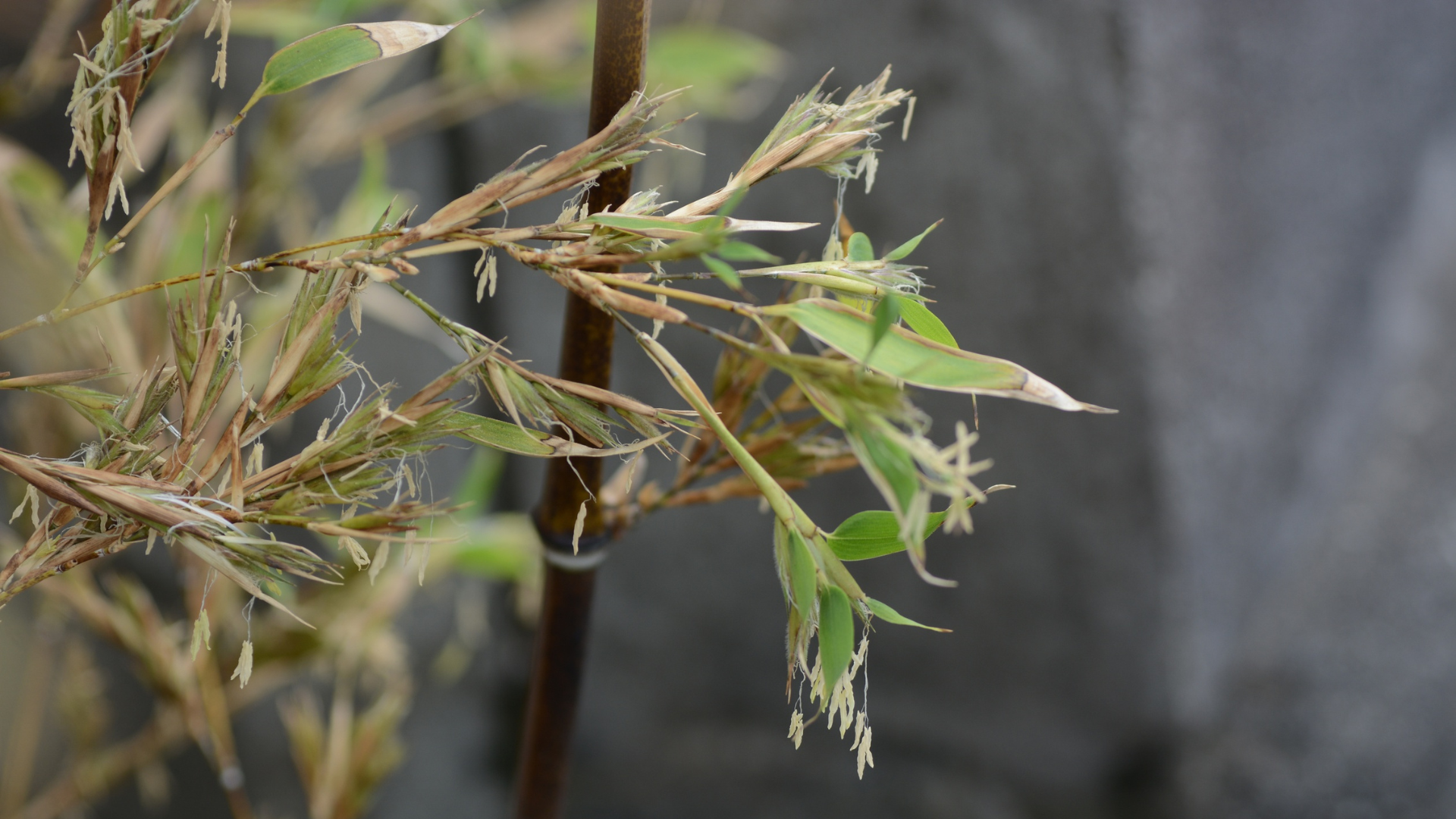
A suddenly flowering bamboo can make a homeowner wonder whether the plant has been stressed, overwatered, underwatered, or otherwise improperly maintained.
In many cases, however, flowering is simply part of the species’ natural reproductive cycle.
That does not mean growing conditions are irrelevant. Water, soil, drainage, sun exposure, and general plant health still matter enormously to bamboo performance. But flowering itself should not automatically be interpreted as a disease or a sign that someone made a maintenance mistake.
What Should You Do if Your Bamboo Flowers?
The best response depends on how extensively the bamboo is flowering.
For isolated flowering shoots, some horticultural guidance recommends removing those shoots. If an entire clump begins flowering, however, it may be better to allow the process to continue while maintaining appropriate watering and care.
Afterward, the plant should be monitored for new growth.
Some bamboo may recover from surviving rhizomes, while other plants may decline and eventually need replacement. If viable seed forms, seedlings may also appear.
Because flowering behavior varies substantially among bamboo species, it is helpful to know exactly what is growing on the property before deciding how to respond.
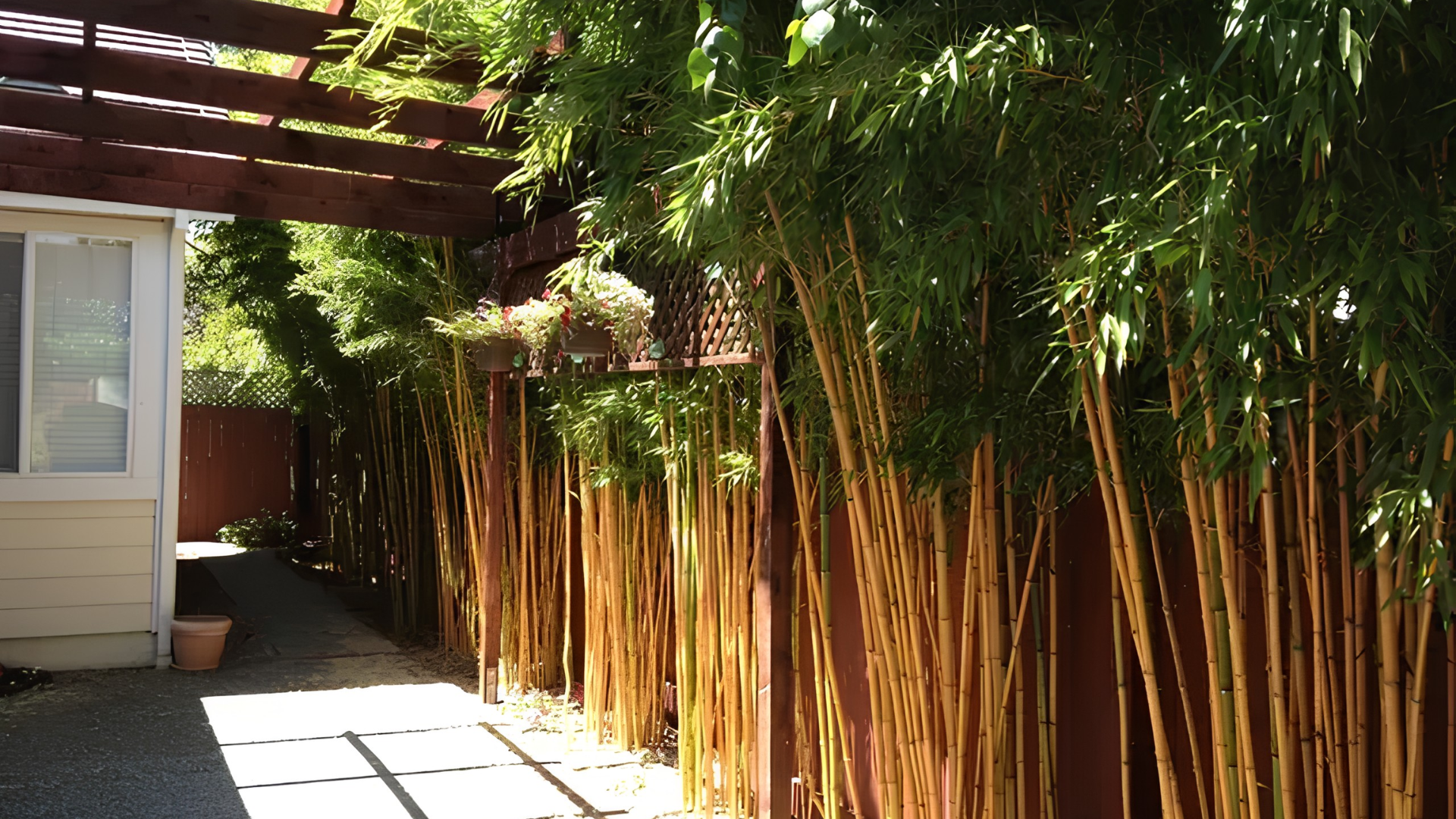
Species Selection Still Matters
Bamboo flowering is only one reason proper plant selection is important.
Mature size, cold tolerance, growth habit, exposure, drainage, and whether the bamboo is clumping or running all affect how well it fits a particular landscape.
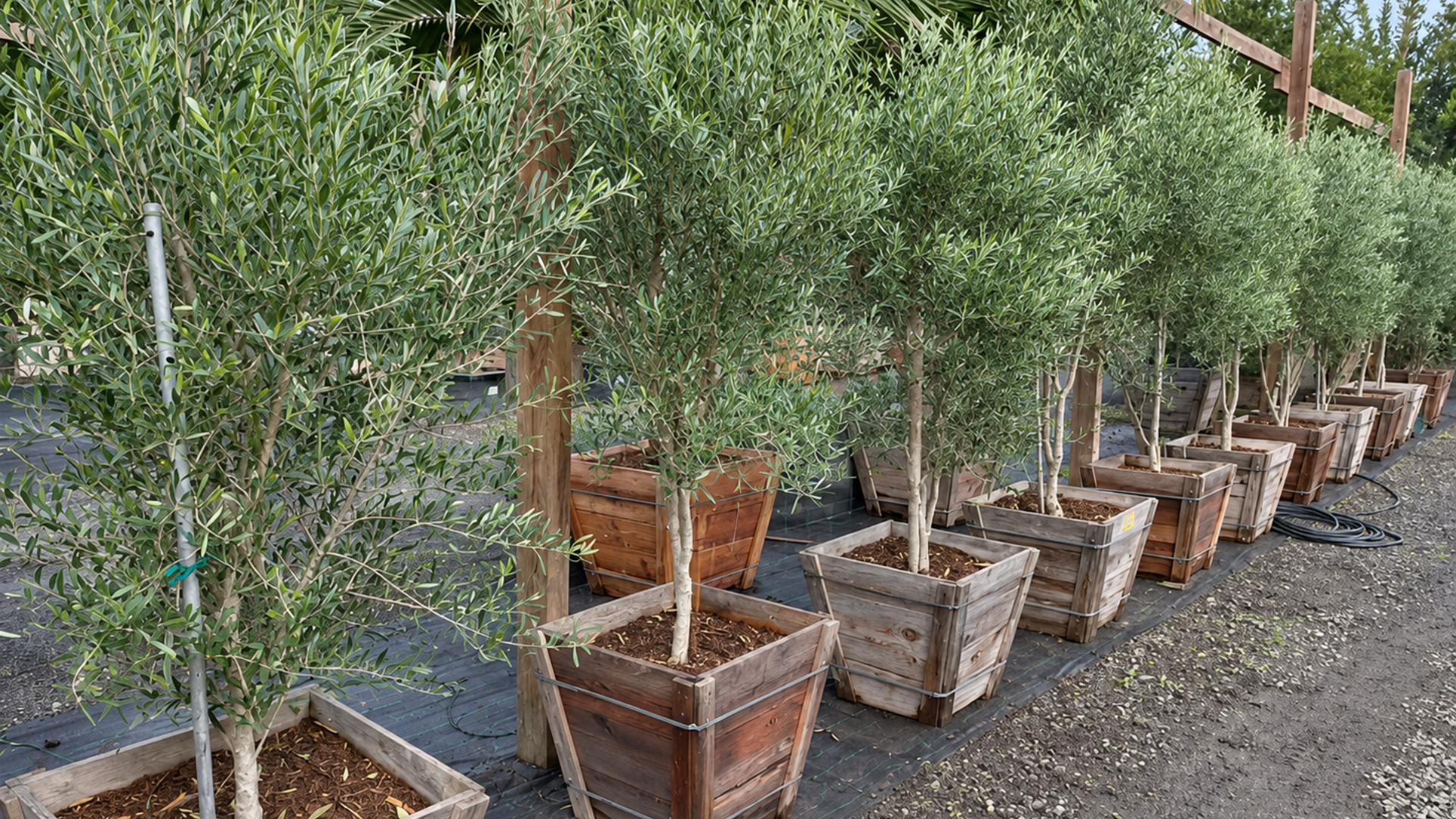
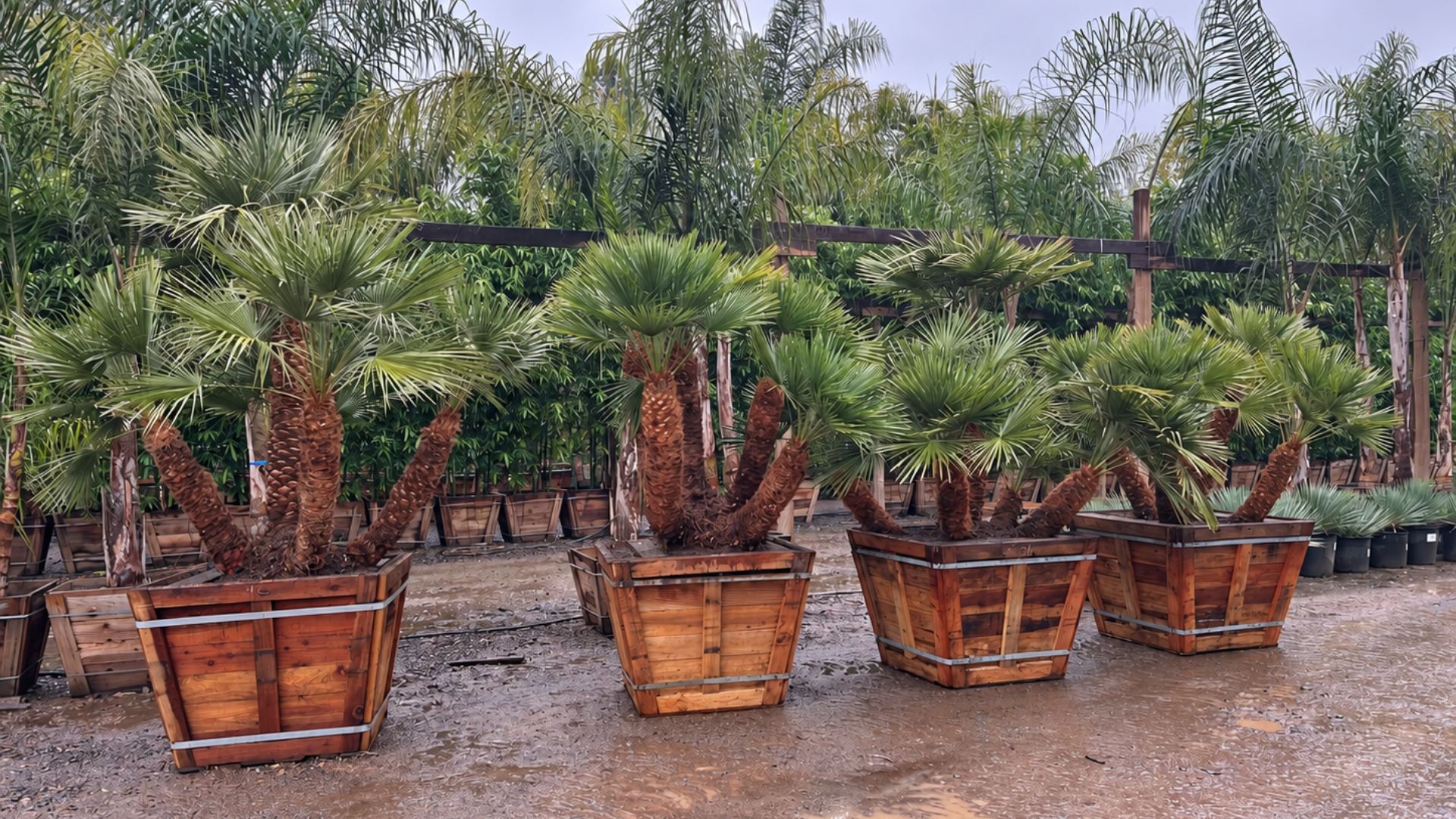
At Jungle Bamboo and Palms, the six-acre specialty nursery in Cotati offers bamboo, palms, olive trees, tropical plants, specimen trees, and other distinctive plants selected with Northern California conditions in mind.
With more than 65 years of combined staff experience, the team can help homeowners, landscapers, and designers understand bamboo growth habits and choose plants suited to the actual site.
Bamboo flowering may be rare, unpredictable, and sometimes dramatic, but it is also a reminder that bamboo has a life cycle unlike almost anything else in the landscape.