
Why Strawberry Trees Work as Both Specimens and Screens
A good landscape plant does more than fill space. The best choices often serve several purposes at once.
The strawberry tree is a strong example.
With its evergreen foliage, branching form, attractive bark, flowers, and colorful fruit, it can work as a focal-point specimen in one setting and as part of a privacy screen in another.
For Northern California properties, that flexibility makes it especially useful when homeowners want year-round structure without relying on a conventional hedge.
Evergreen Structure Adds Year-Round Value
One of the biggest advantages of a strawberry tree is its evergreen foliage.
Unlike deciduous plants that lose their leaves in winter, strawberry trees continue to provide visual structure throughout the year. That makes them useful in areas where screening is important during every season.
Their foliage also gives a landscape a softer, more natural appearance than many tightly clipped hedge plants.
Instead of creating a solid wall of greenery, strawberry trees can provide layered coverage while still allowing the planting to feel open and dimensional.

They Can Work as Standalone Specimens
A strawberry tree does not need to be planted in a row to make an impact.
Its branching habit and rounded canopy can give it enough presence to function as a specimen tree in a courtyard, front yard, patio area, or mixed planting bed.
When placed where it has room to develop naturally, the tree can become a focal point that adds height without overwhelming the surrounding landscape.
This can be especially effective when the rest of the planting is kept relatively simple.
Bark and Fruit Add Seasonal Interest
Strawberry trees are valued for more than foliage.
Their bark can develop attractive color and texture as the plant matures, adding visual interest even when you are not looking closely at the leaves.
The tree also produces clusters of flowers and textured red or orange fruit, creating changing details throughout the year.
These features can make the plant feel more dynamic than a basic evergreen screen.
For homeowners who want privacy without sacrificing ornamental character, that combination can be appealing.

They Can Create a More Natural Privacy Screen
Traditional hedges are often planted close together and sheared into a uniform shape.
Strawberry trees can offer a different look.
When spaced thoughtfully, they can form a looser evergreen screen with visible trunks, layered foliage, and natural variation.
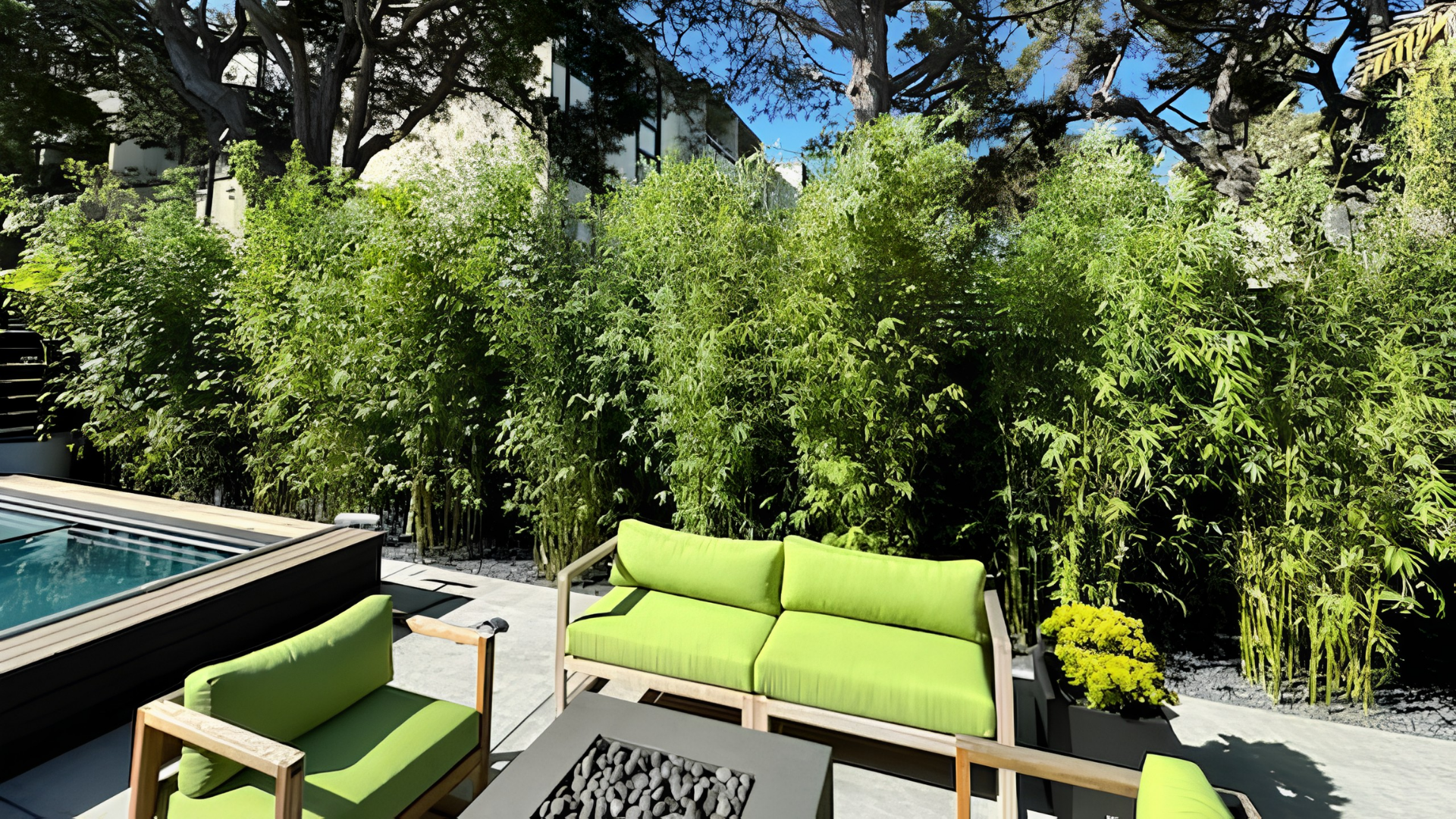
That approach works particularly well around patios, property lines, driveways, or areas where homeowners want separation without creating a dense green wall.
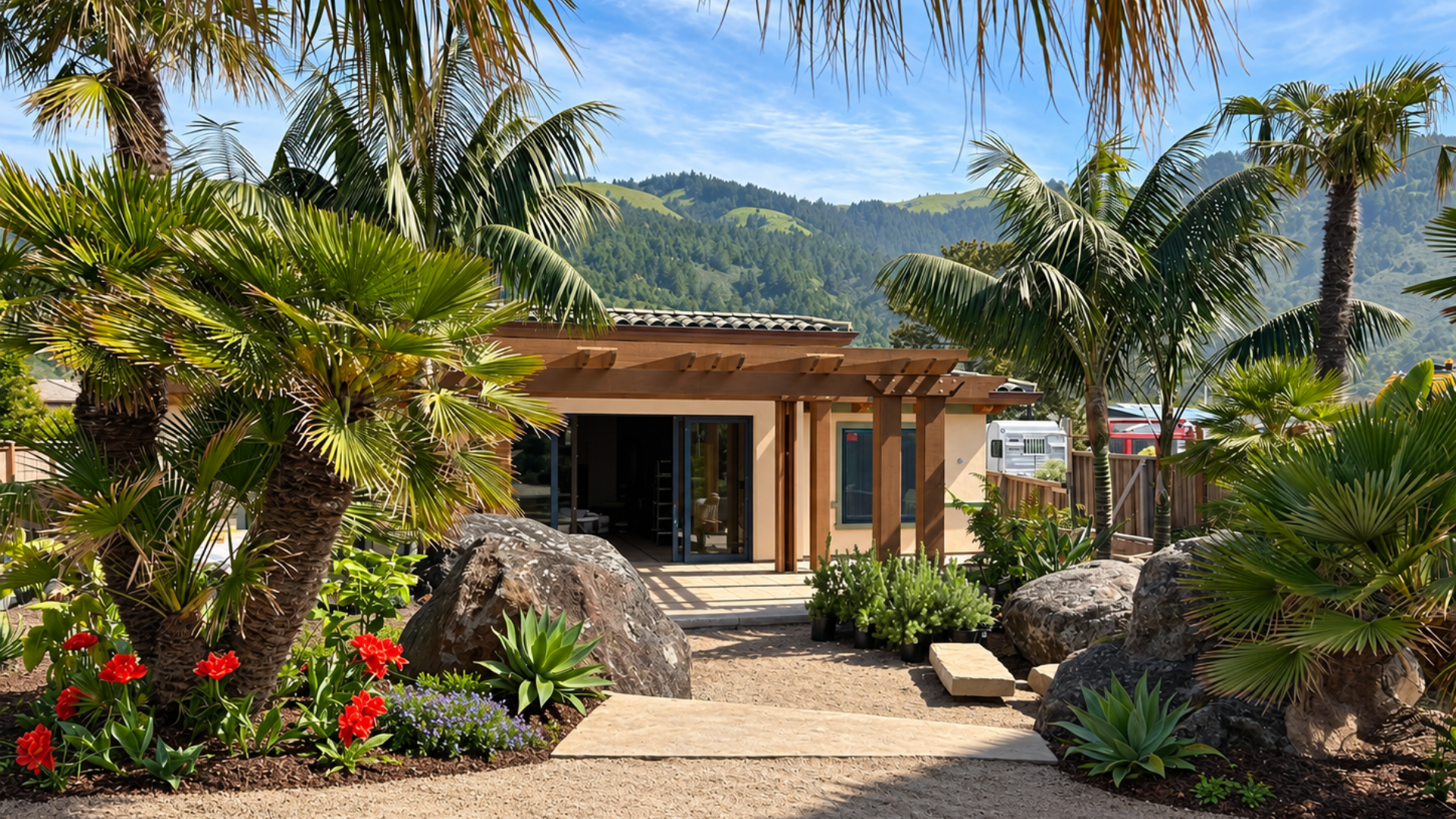
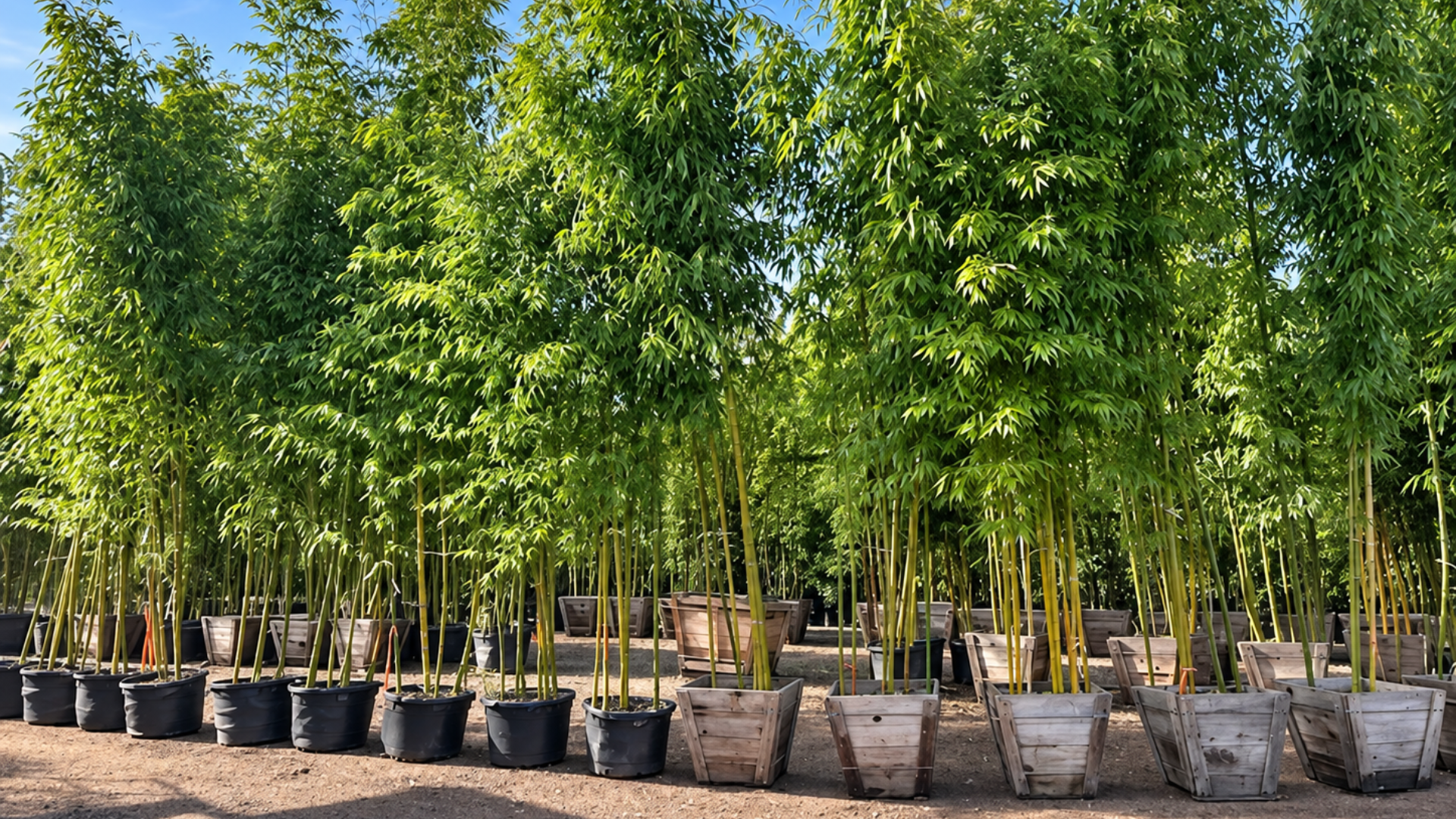
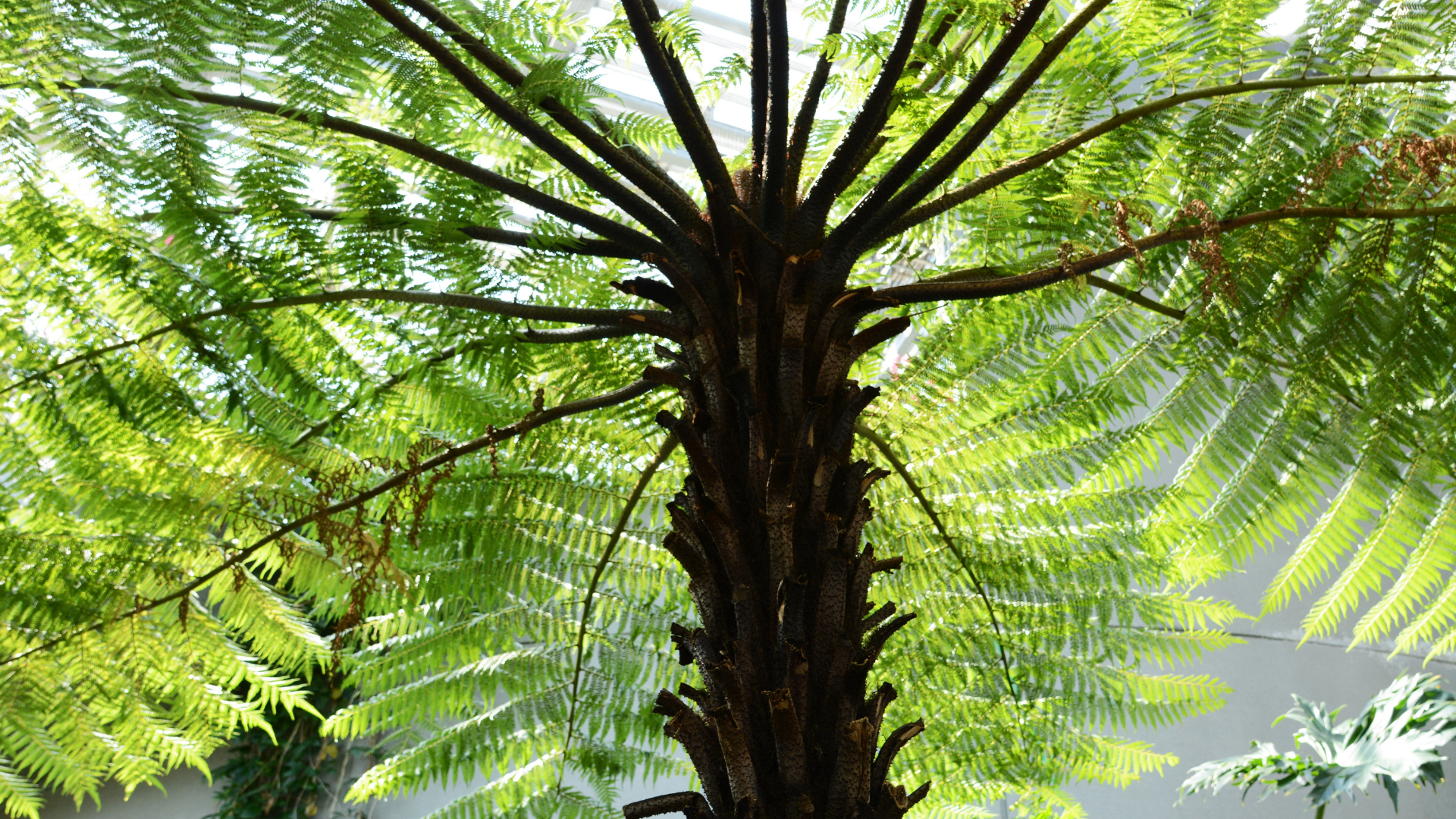
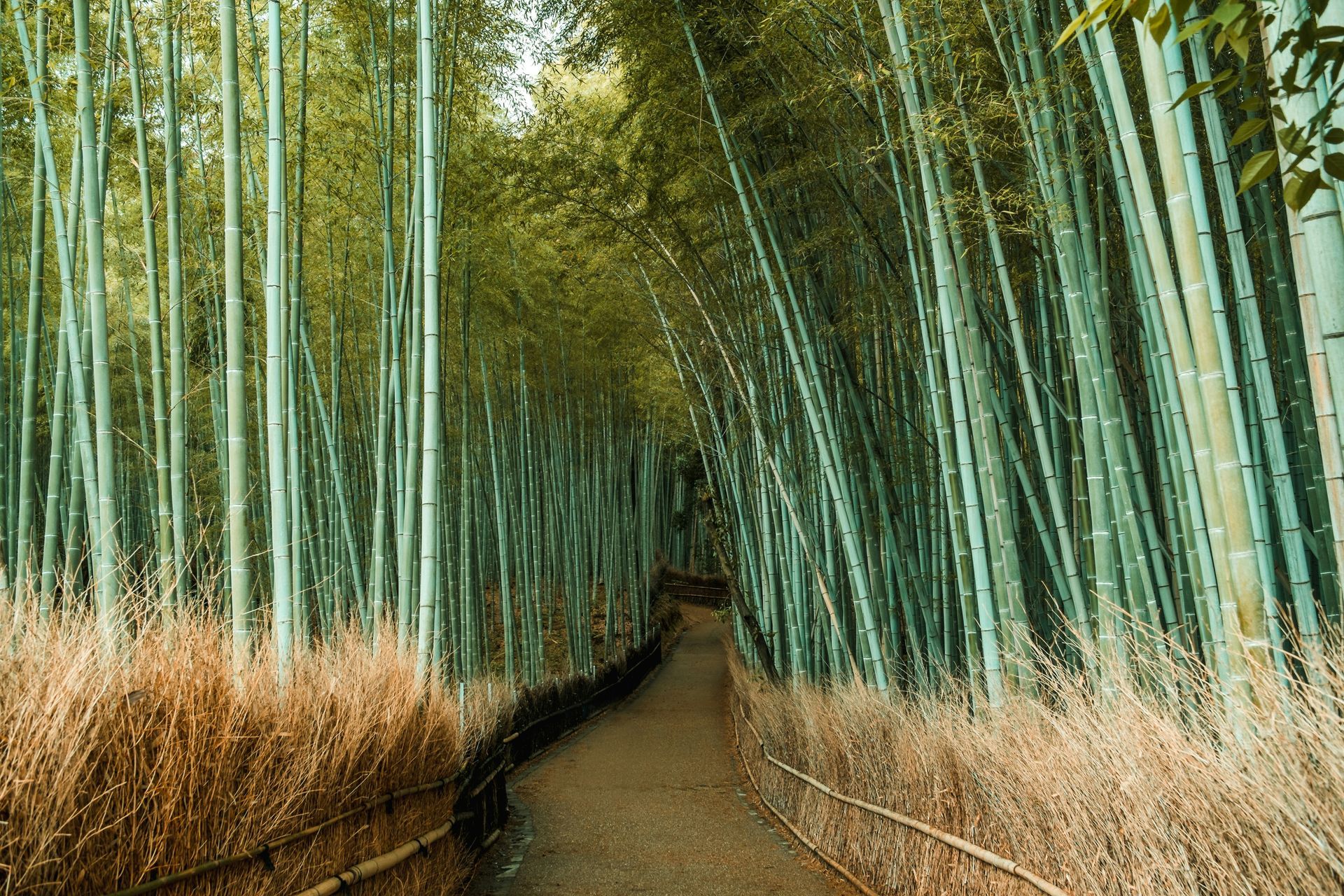
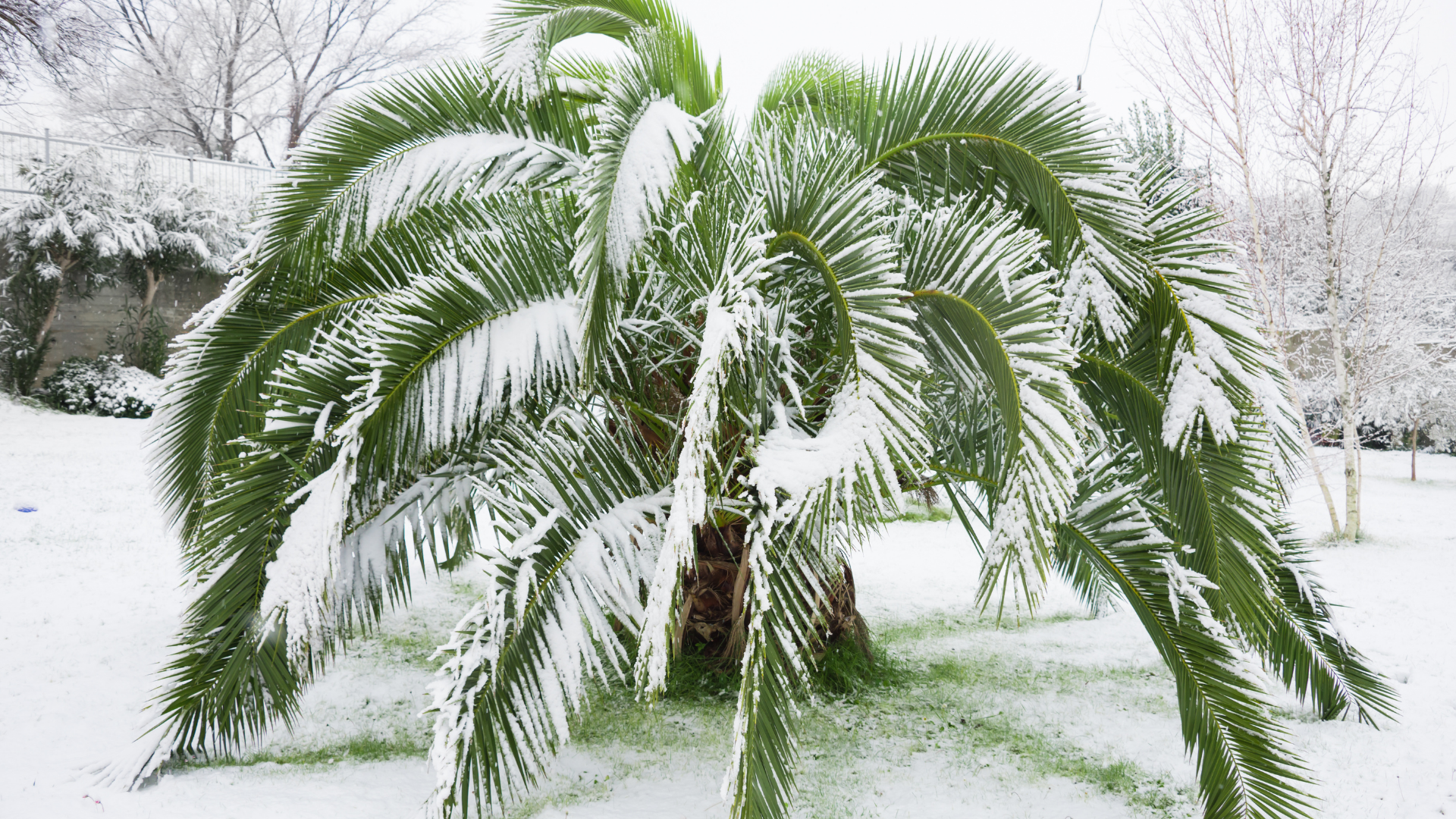
They can also be combined with bamboo, palms, podocarpus, or other evergreen plants to create a mixed screen with more texture and depth.
Mature Size Still Matters
As with any screening plant, mature size should be considered before planting.
A strawberry tree placed too close to a walkway, structure, or neighboring property may eventually require more pruning than expected.
Spacing should account for the plant's mature width as well as height.
The goal is to choose a location where the tree can develop its natural form while still accomplishing the intended screening or design purpose.
Planning for mature size usually produces a better-looking landscape with less corrective maintenance later.

Site Conditions Should Guide the Choice
Even versatile plants perform best when matched to the right conditions.
Sun exposure, soil drainage, wind, irrigation, surrounding hardscape, and available growing space can all influence plant performance.
Northern California properties can contain several microclimates within the same yard. One area may be sunny and warm, while another stays cooler or more protected.
That is why plant selection should be based on the actual site rather than appearance alone.
A Flexible Choice for Distinctive Landscapes
Strawberry trees are useful because they can solve both practical and aesthetic problems.
They can provide evergreen screening, serve as a focal point, add seasonal color and texture, and blend into Mediterranean, contemporary, or more naturalistic landscapes.
Jungle Bamboo and Palms in Cotati helps homeowners, designers, contractors, and collectors select distinctive plants that fit real Northern California growing conditions. With a six-acre nursery and decades of combined landscape experience, the team can help determine whether a strawberry tree or another specimen is the right fit for your property.
Contact Jungle Bamboo and Palms to explore plant options and create a landscape that balances privacy, character, and long-term growth.