
Why Two Yards in the Same Town Can Need Completely Different Plants
It is easy to assume that two properties in the same town should support the same plants.
They share the same zip code, similar seasonal temperatures, and roughly the same rainfall.
But landscapes are influenced by much more than the weather forecast.
Sun exposure, wind, drainage, slope, reflected heat, soil conditions, and even nearby buildings can create very different growing environments just a few streets apart.
That is why plant selection works best when it starts with the actual site, not just the city name.
Sun Exposure Can Change Everything
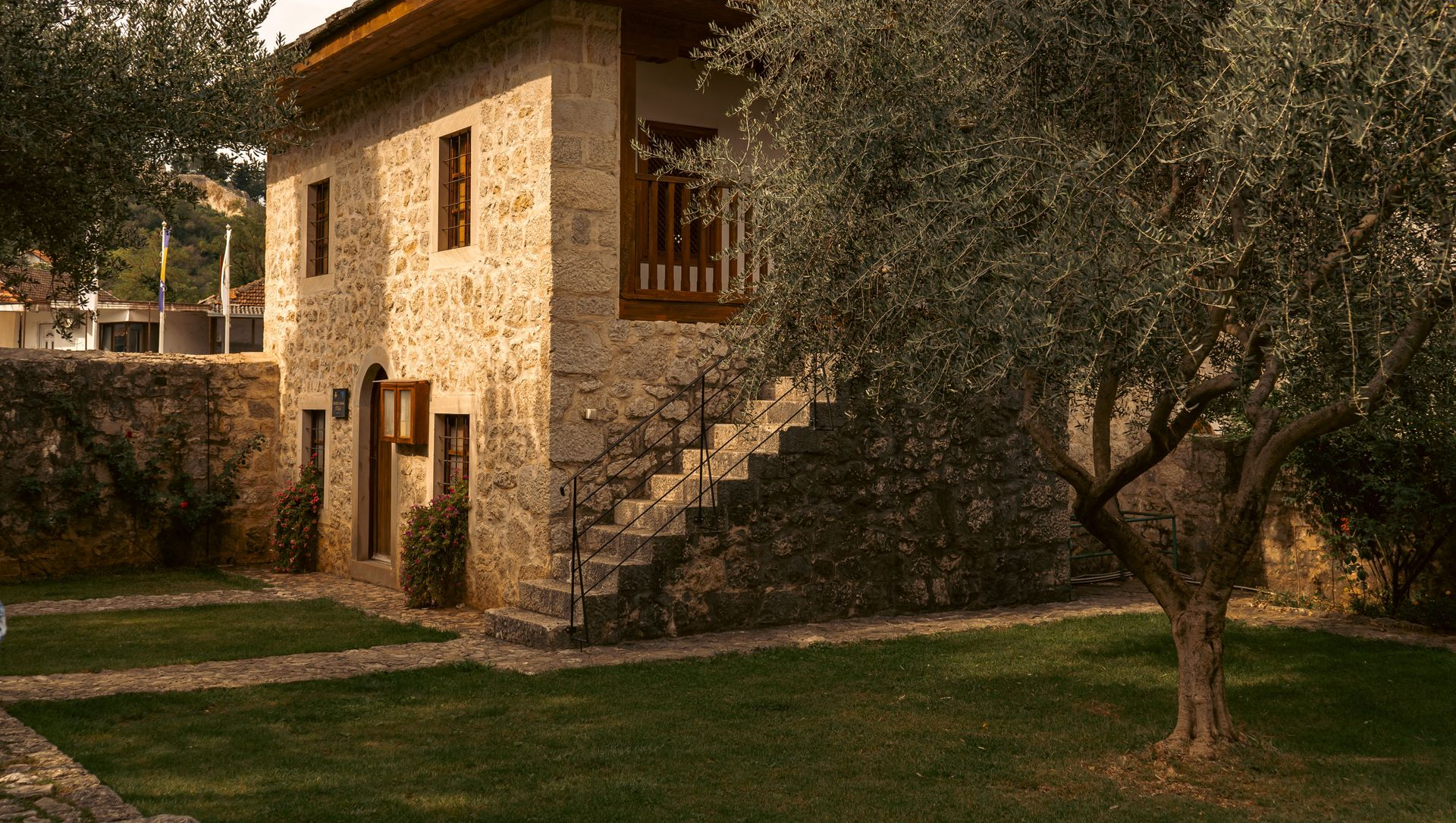
South- and west-facing areas can become especially warm.
North-facing spaces may stay cooler and shadier.
Even within one yard, those differences can be significant.
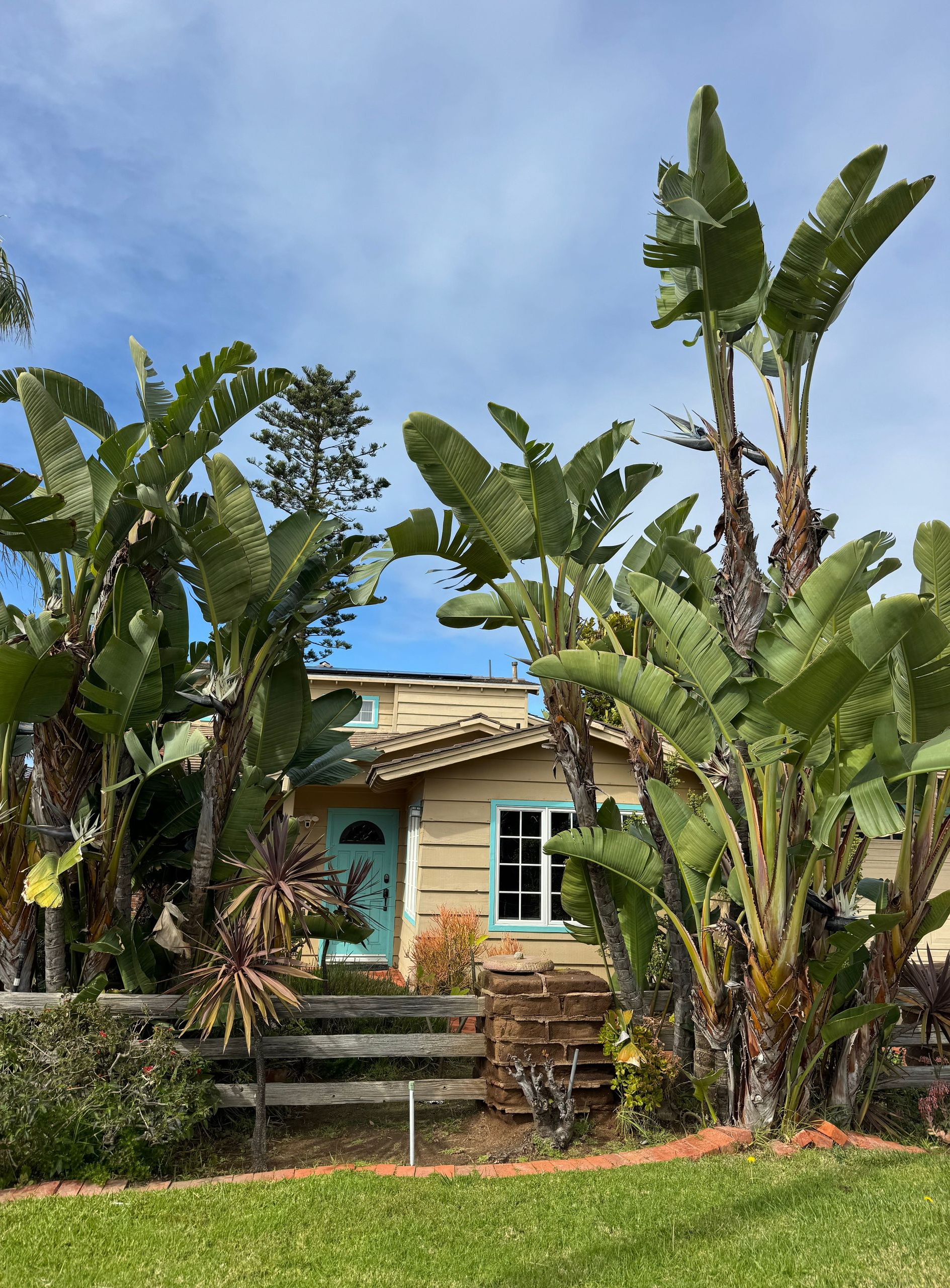
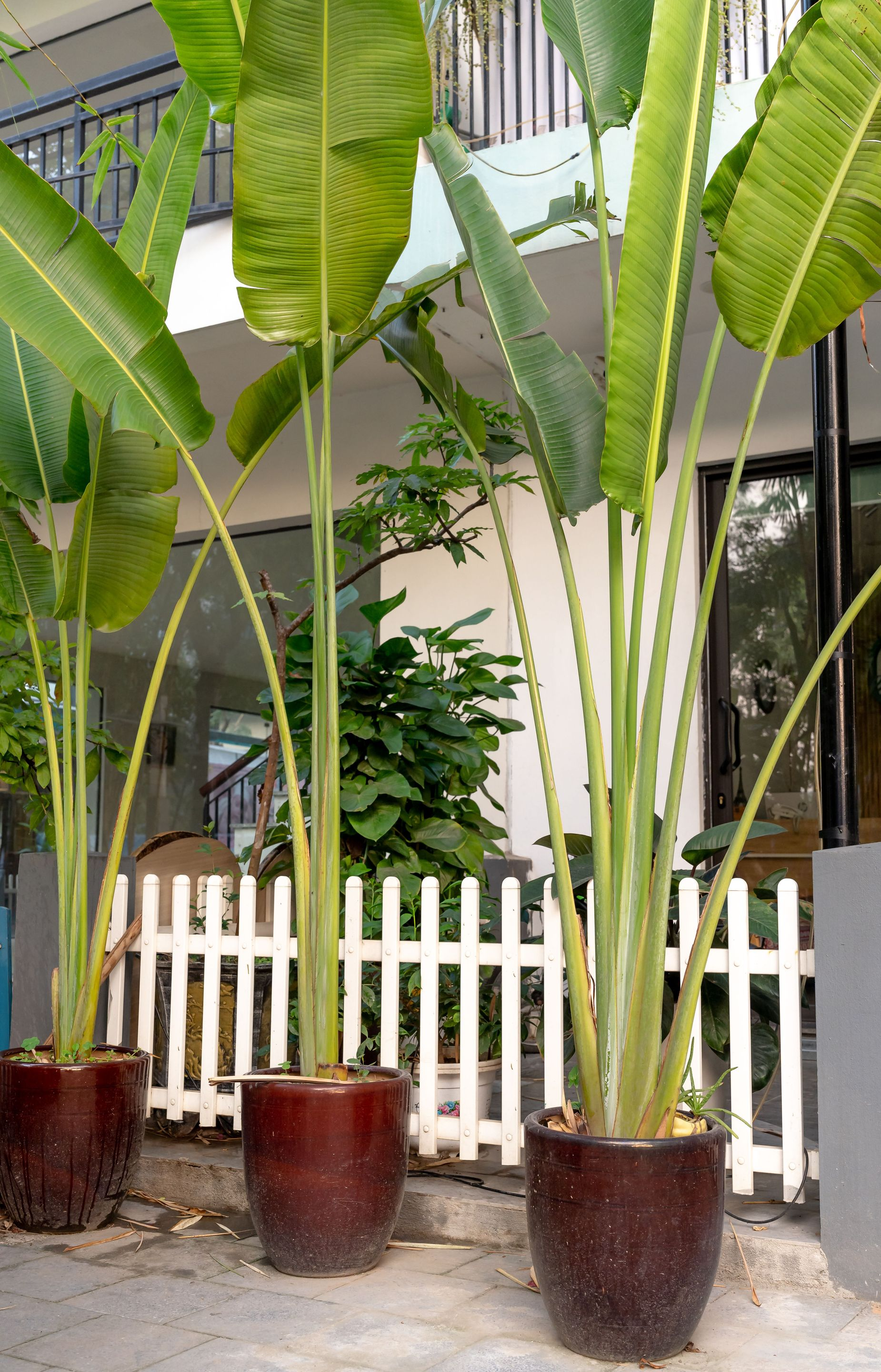
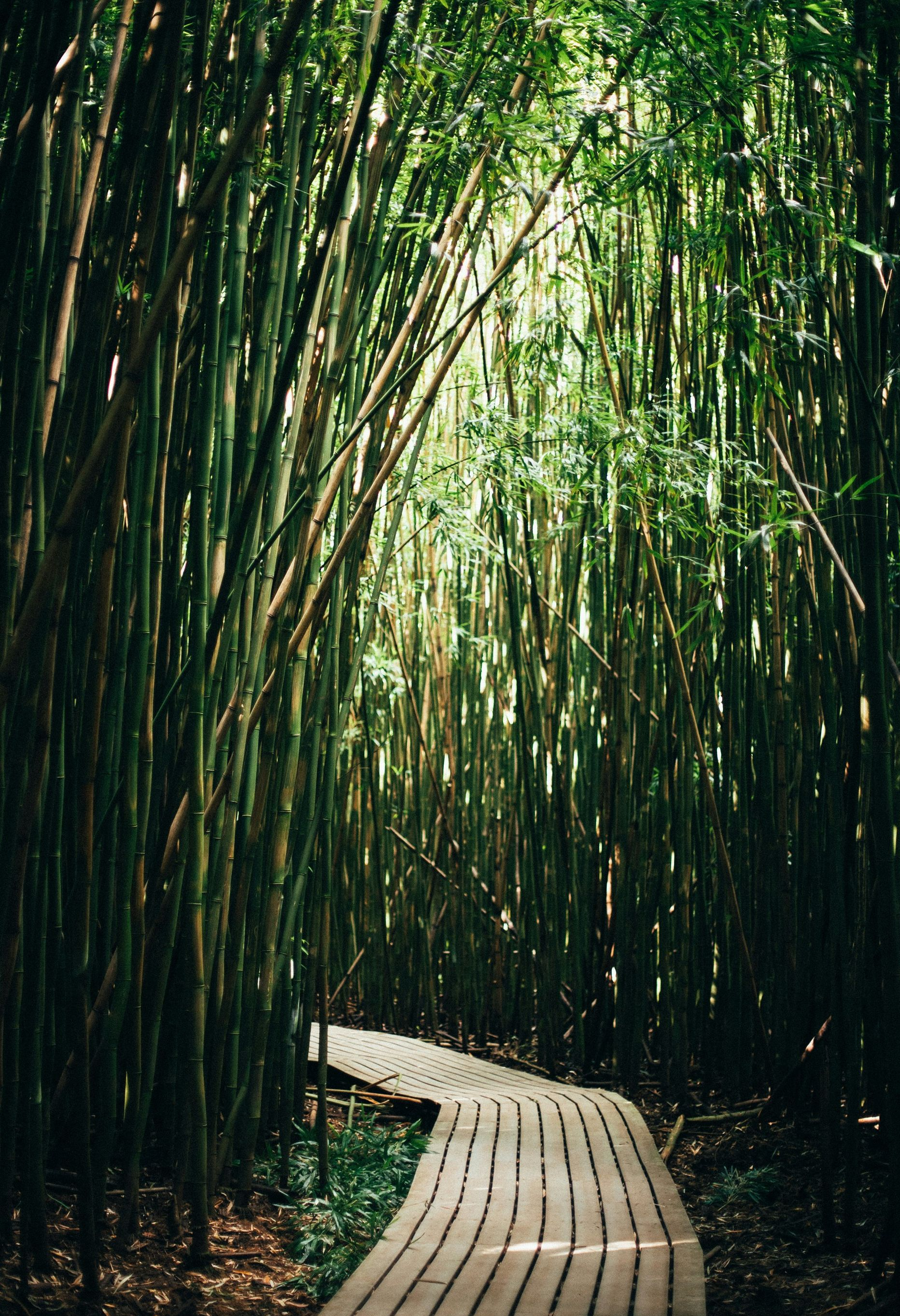
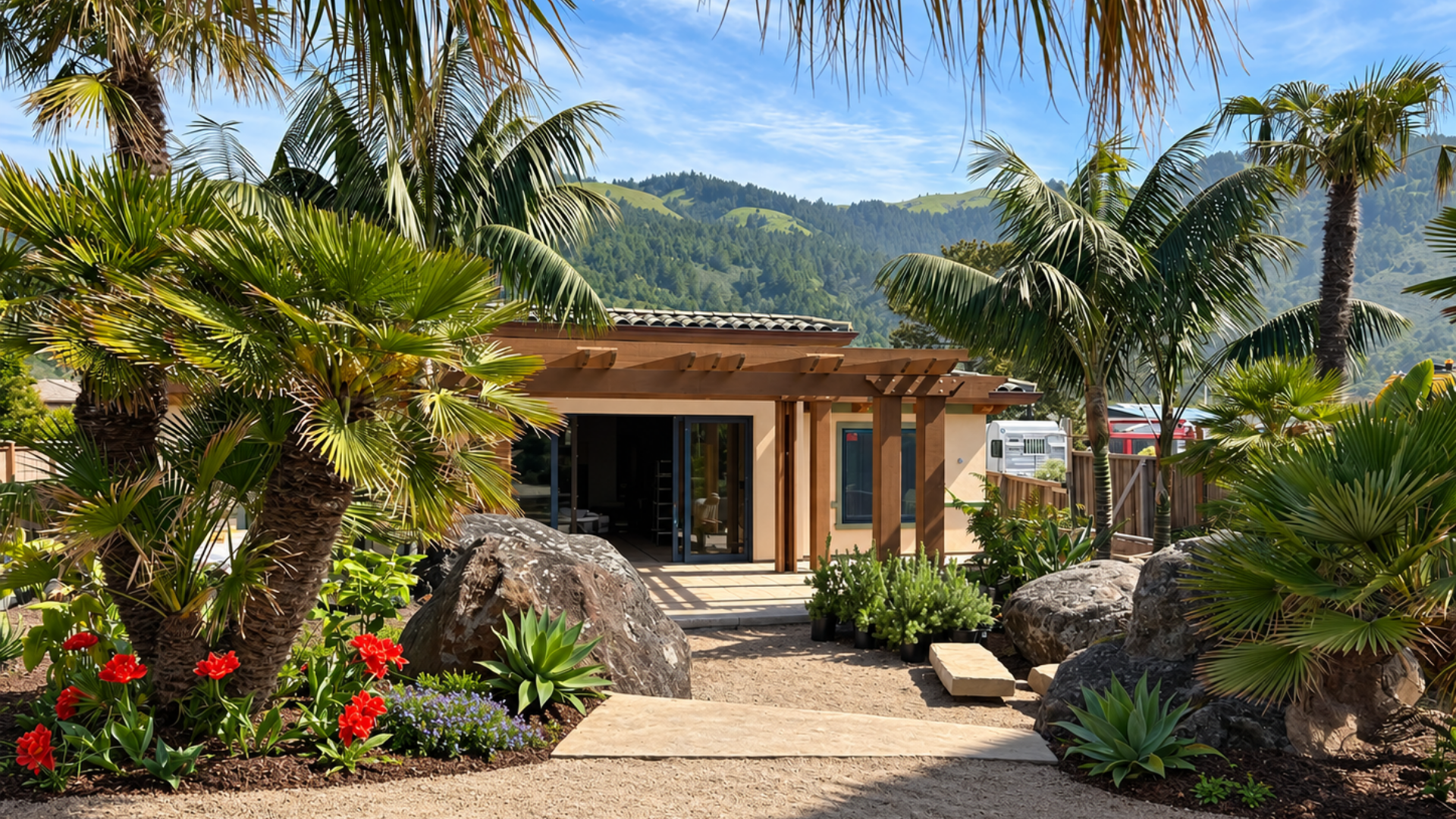
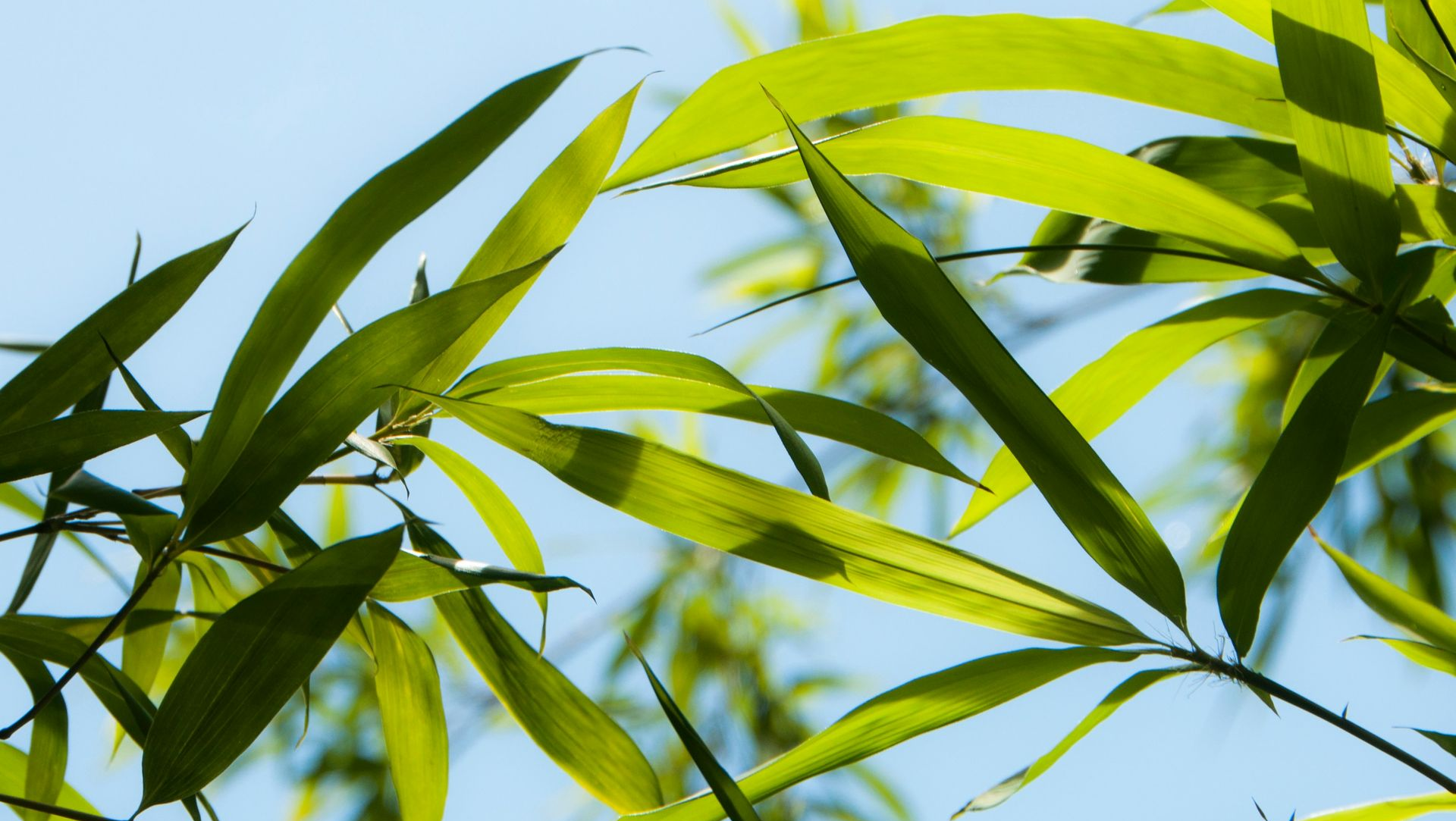
A palm, bamboo, or tropical specimen that performs well beside a sunny wall may struggle in a colder shaded corner.
Jungle Bamboo and Palms helps customers think about where the plant will actually live before choosing it.
Wind Can Create a Different Microclimate
Wind exposure is another major factor.
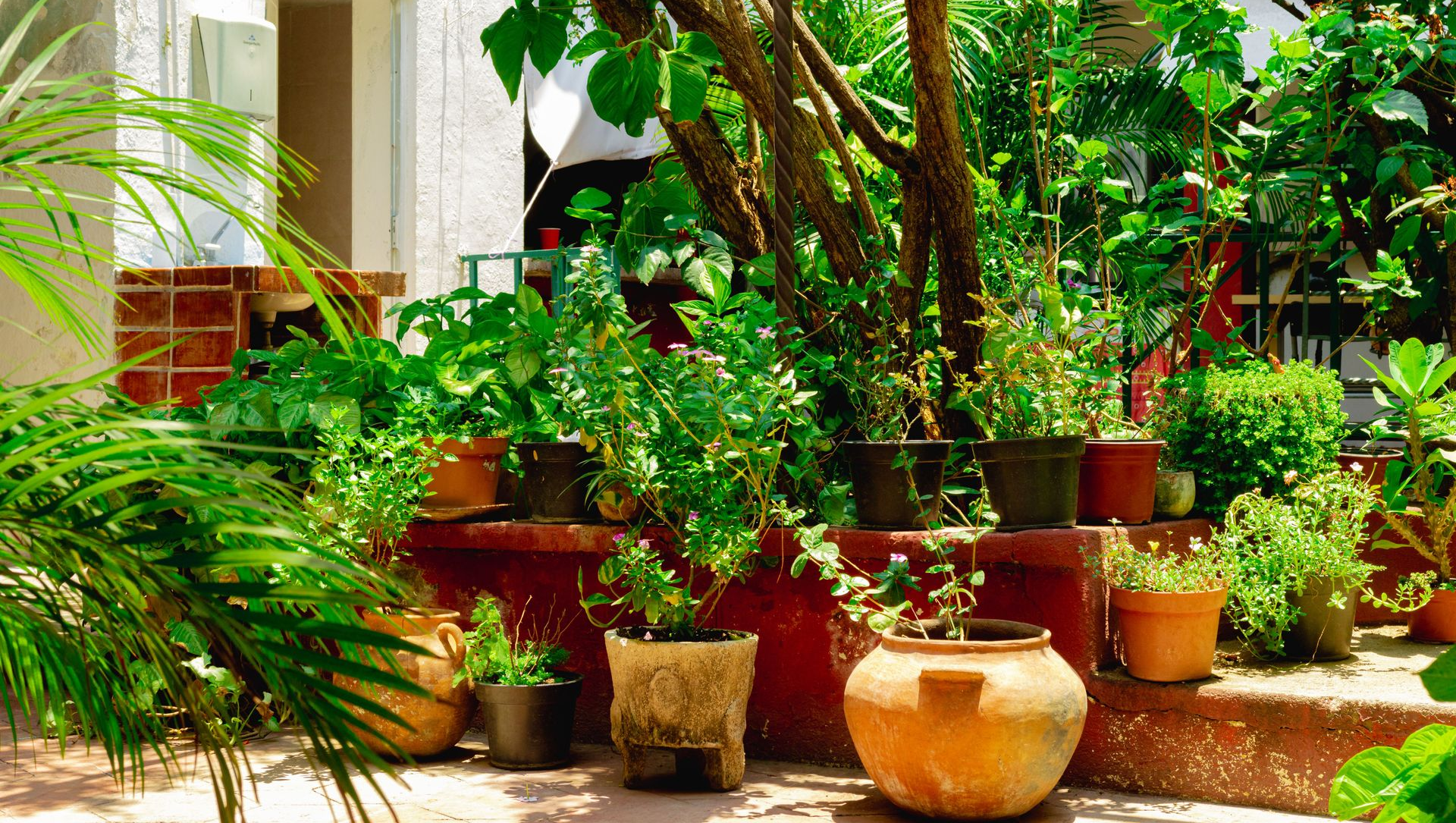
A sheltered courtyard can feel dramatically different from an open hillside or corner lot.
Strong wind can dry foliage, increase water demand, and make some larger-leaved plants look stressed.
It can also make winter cold feel more severe.
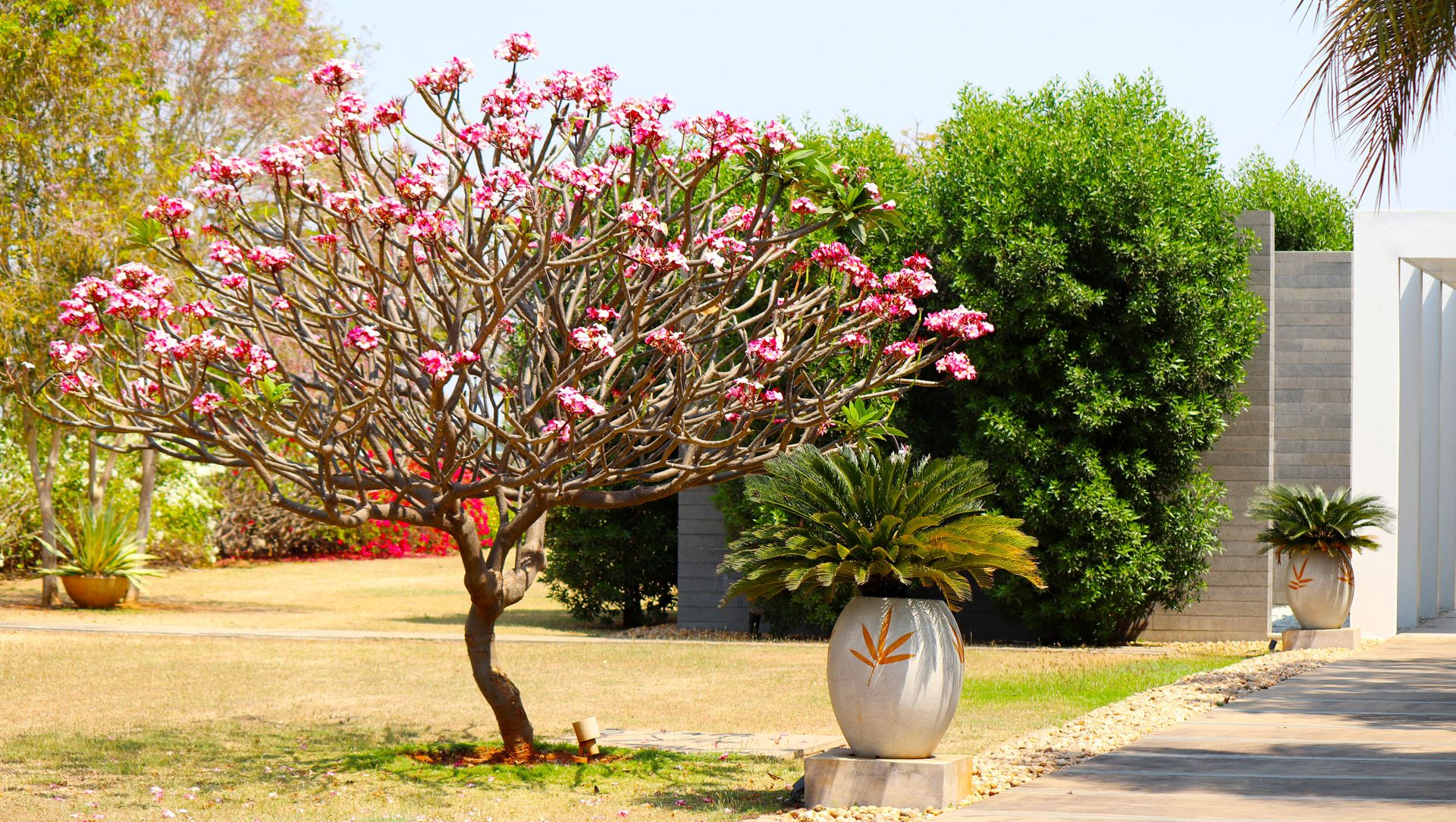
A property protected by fences, mature trees, or surrounding structures may support plants that would have a harder time on an exposed site nearby.
That is why cold tolerance should be considered together with wind exposure.
Cold Air Does Not Settle Evenly
Temperature can vary across the same neighborhood.
Cold air tends to move downhill and collect in low areas.
That can create frost pockets even when nearby properties stay slightly warmer.
A sloped lot may therefore have several different planting zones.
The upper portion may be relatively mild, while a low corner regularly experiences colder overnight conditions.
This becomes especially important when choosing unusual palms, bamboo, tree ferns, or other plants that may be near the cooler edge of their preferred range.
Walls and Pavement Create Heat
Hard surfaces can create the opposite effect.
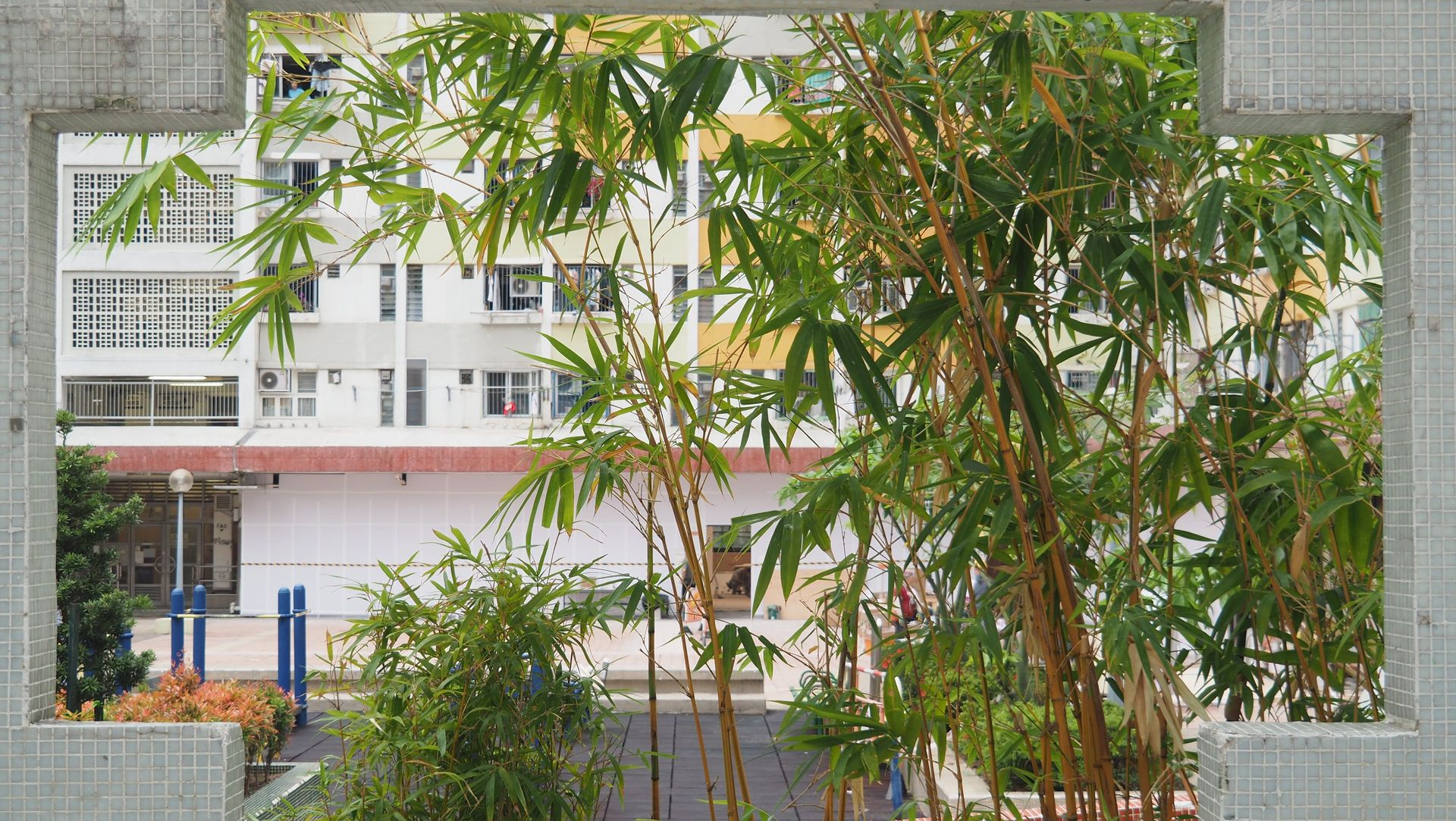
Concrete, stone, pavement, and south-facing walls absorb heat during the day and release it gradually.
That can make certain planting areas warmer than the surrounding landscape.
These protected pockets may expand the range of plants that can perform well.
At the same time, heat-reflective areas can become extremely dry during summer, so irrigation needs may increase.
Microclimates create opportunities, but they also create new maintenance considerations.
Drainage Can Be Completely Different Next Door
Two neighboring yards can also have very different soil and drainage.
One may drain quickly.
The other may remain saturated after winter rain.
Grading, soil compaction, irrigation systems, and previous construction can all influence how water moves through the property.
This matters because plants have different tolerances for wet roots.
A species that thrives in one yard may struggle in another if the root zone stays consistently damp.
Plant Size Changes the Equation
Microclimate is not only about whether a plant survives.
It also affects how it grows.
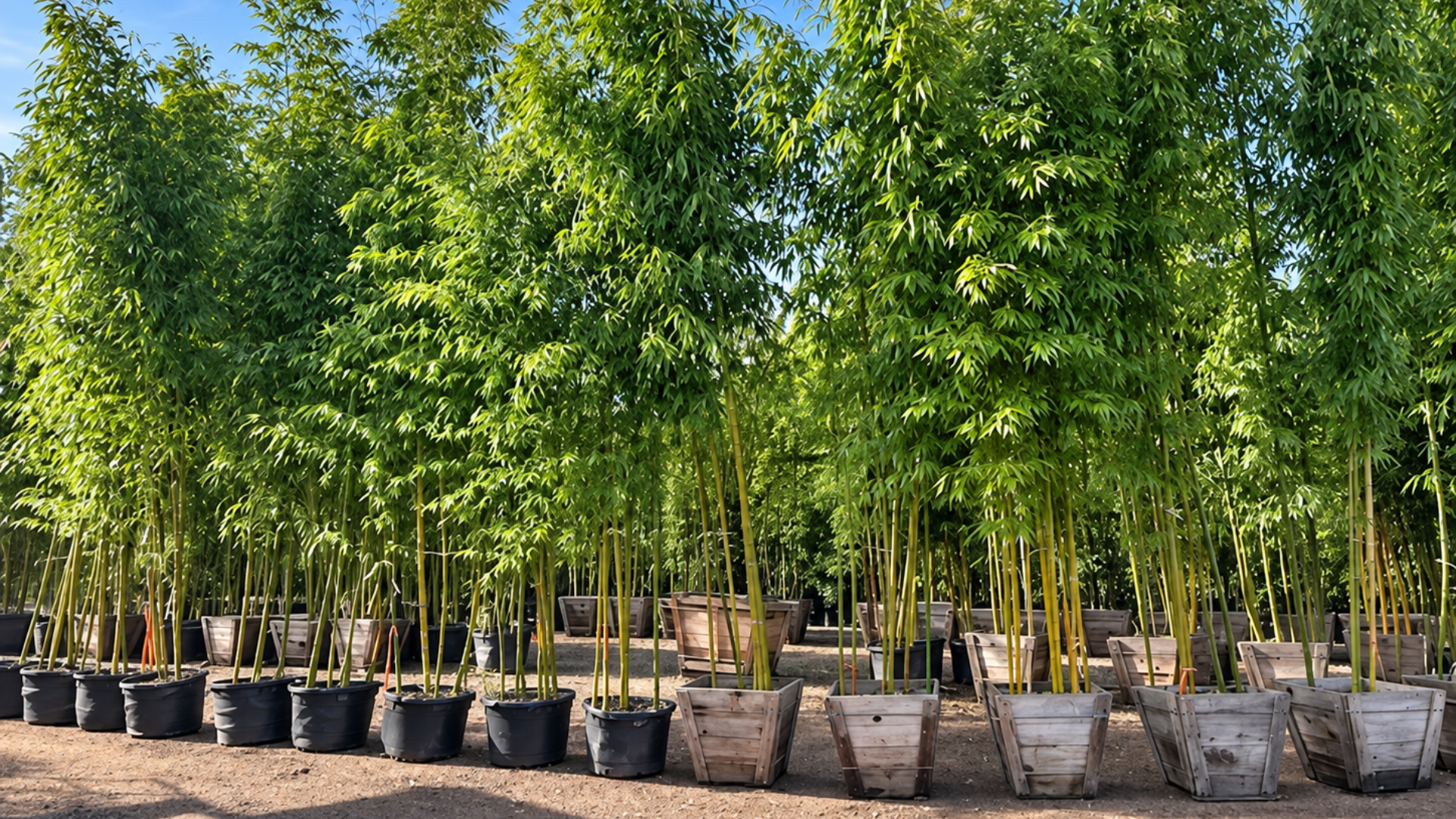
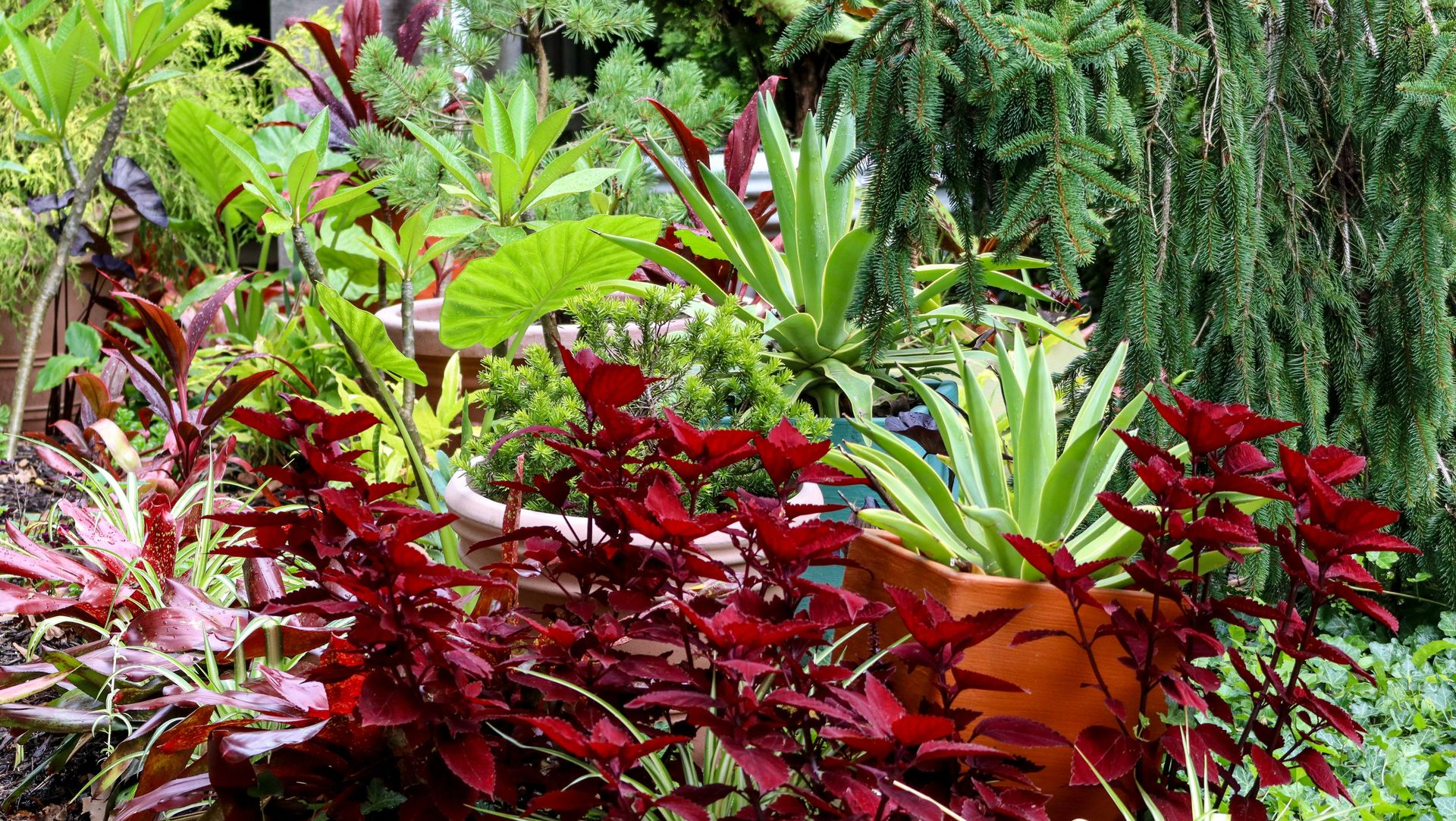
A bamboo planted in ideal conditions may grow more vigorously than the same variety in a cooler, drier site.
A palm may develop differently depending on wind and exposure.
That means mature size, spacing, and maintenance requirements should be evaluated alongside local conditions.
The right plant needs to fit both the climate and the available space.
Local Knowledge Beats Generic Plant Advice
A nursery tag can provide useful general information.
It cannot tell you how cold air moves through your backyard or whether afternoon wind hits a particular corner every day.
That takes local observation and site-specific judgment.
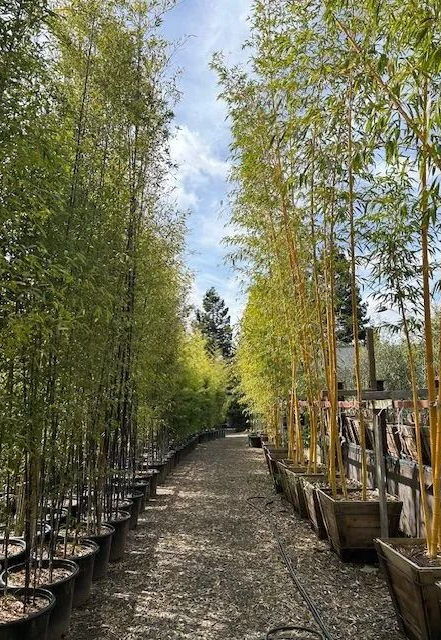
Jungle Bamboo and Palms, a six-acre specialty nursery in Cotati, brings more than 65 years of combined landscape-industry experience to plant selection for Northern California properties.
With bamboo, palms, olive trees, tropical and interior plants, and other unusual specimens available, the goal is not simply to find something interesting.
It is to find something interesting that actually fits the site.
Two yards in the same town may look close on a map.
From a plant’s perspective, they can be completely different worlds.