
Why Bamboo Height Is Only One Part of Choosing the Right Variety
When people shop for bamboo, height is often the first feature they compare. That makes sense, especially when the goal is privacy, screening, or creating a strong vertical element in the landscape.
But height alone does not tell you whether a bamboo variety is a good fit for the property.
Growth habit, mature width, cold hardiness, sun exposure, wind tolerance, maintenance needs, and available planting space all matter. In Northern California, where conditions can vary significantly from one yard to another, choosing bamboo based only on maximum height can lead to disappointing results.
Growth Habit Comes First
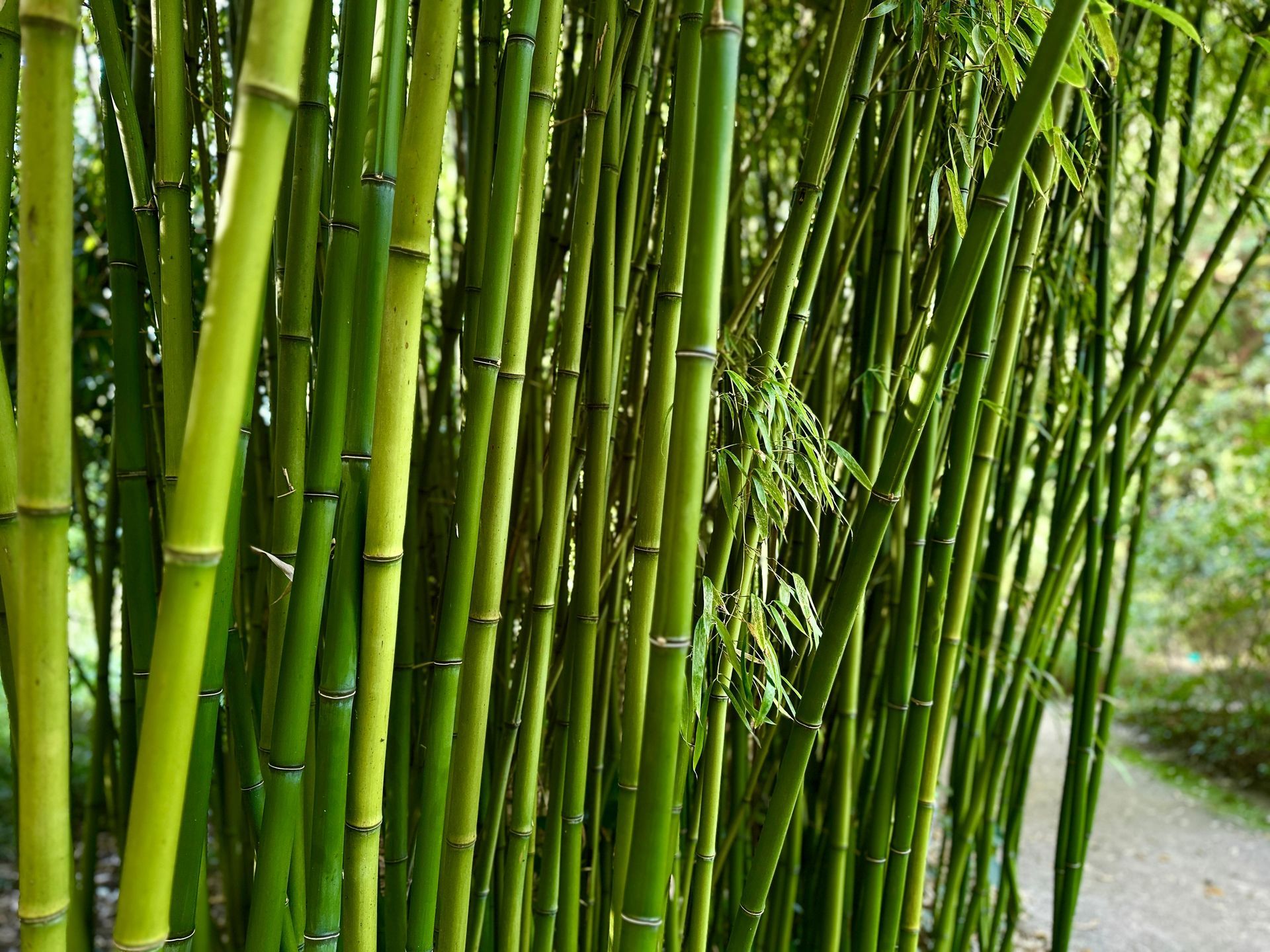
One of the most important distinctions is whether the bamboo is clumping or running.
Clumping bamboo tends to expand gradually from a central root mass, while running bamboo spreads through underground rhizomes that can travel farther from the original planting area.
Neither type is automatically better.
The right choice depends on the site, the desired effect, and how much control the homeowner wants over future spread.
A narrow side yard may call for a different approach than a large open property.
Mature Width Matters
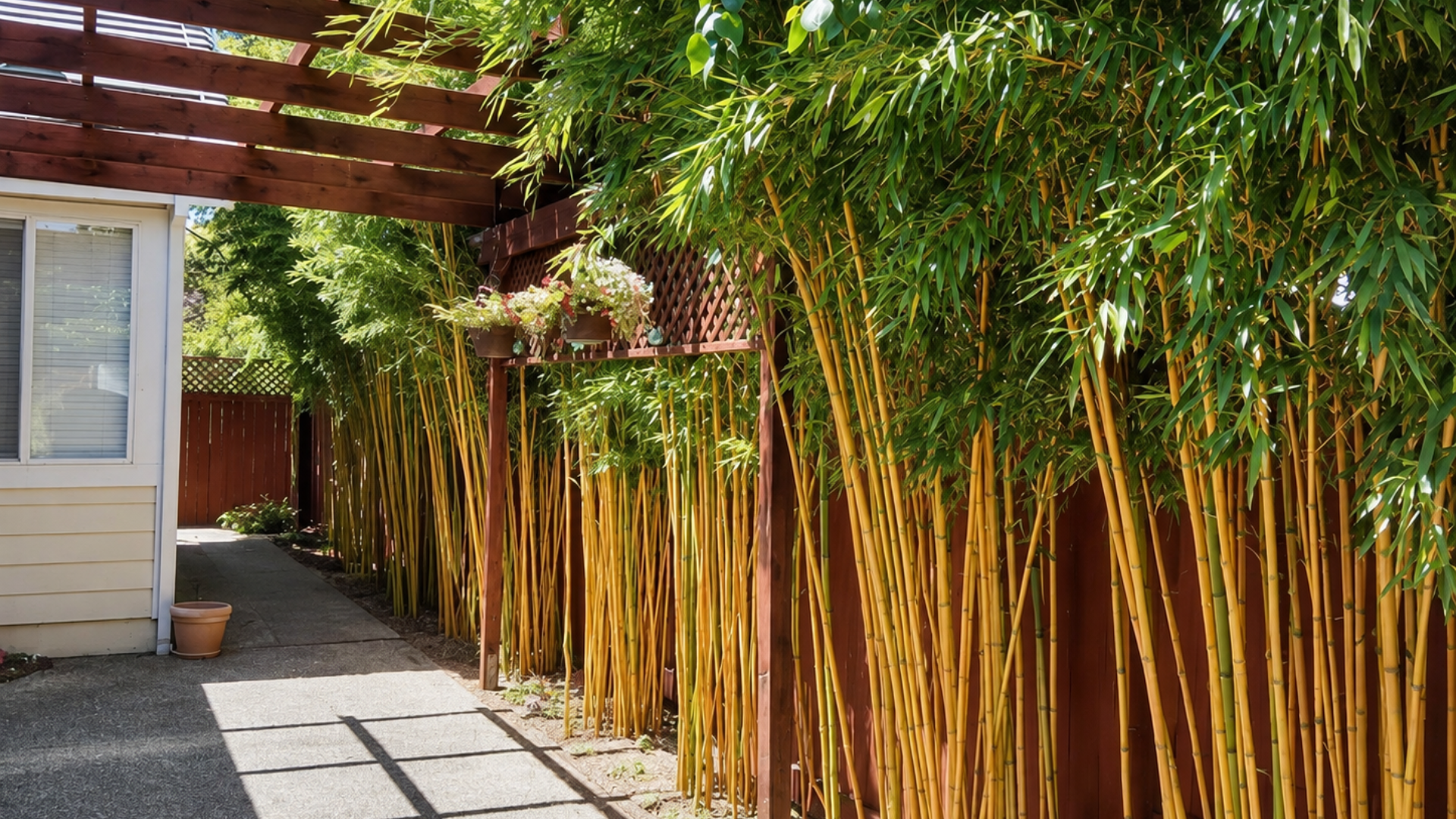
A bamboo variety that reaches impressive height may also become much wider than expected.
That can create crowding near fences, walkways, windows, or neighboring properties.
Before planting, it is important to consider how much horizontal space the plant will eventually occupy.
A tall bamboo in the wrong location can become difficult to manage even if the height itself is perfect.
Good screening design considers both vertical and horizontal growth.
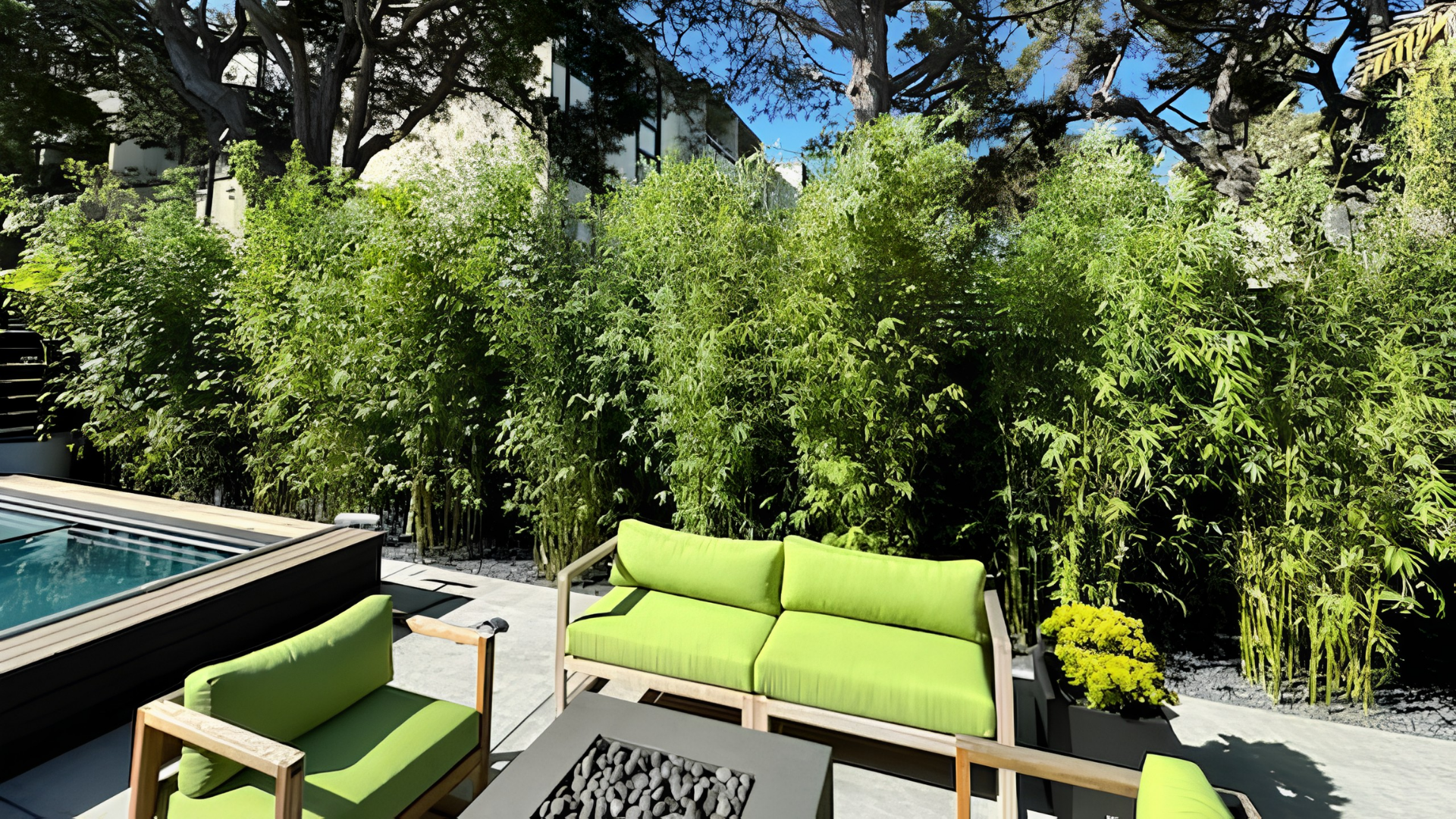
Privacy Depends on Density, Not Just Height
A plant can be tall without creating an effective privacy screen.
Some bamboo varieties develop dense foliage lower to the ground, while others may be more open or show more visible cane.
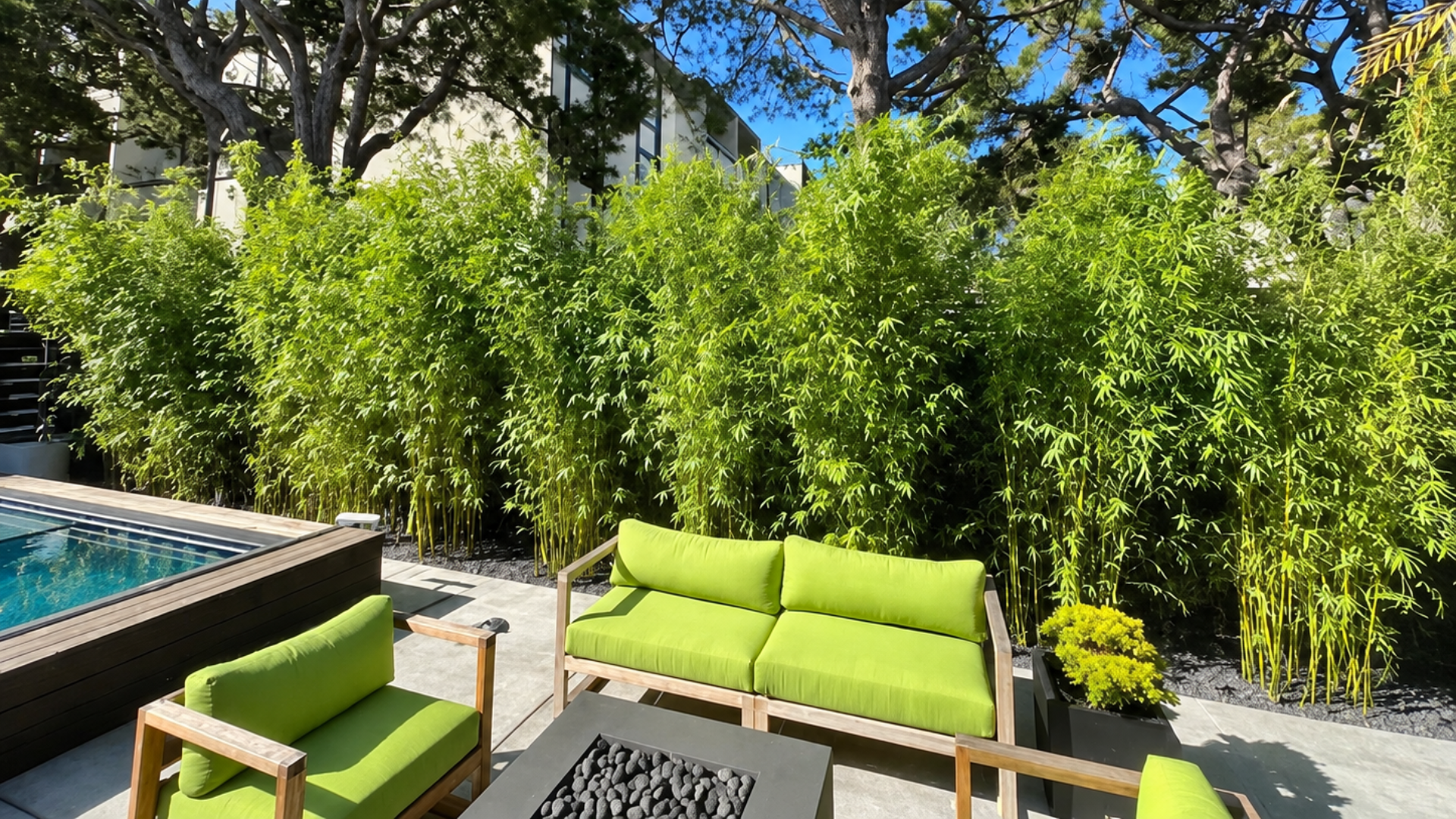
If the goal is to block a nearby window, fence line, or neighboring structure, leaf density and branching pattern matter just as much as overall height.
A shorter but fuller bamboo may provide better privacy than a taller, more open variety.
Sun and Shade Affect Performance
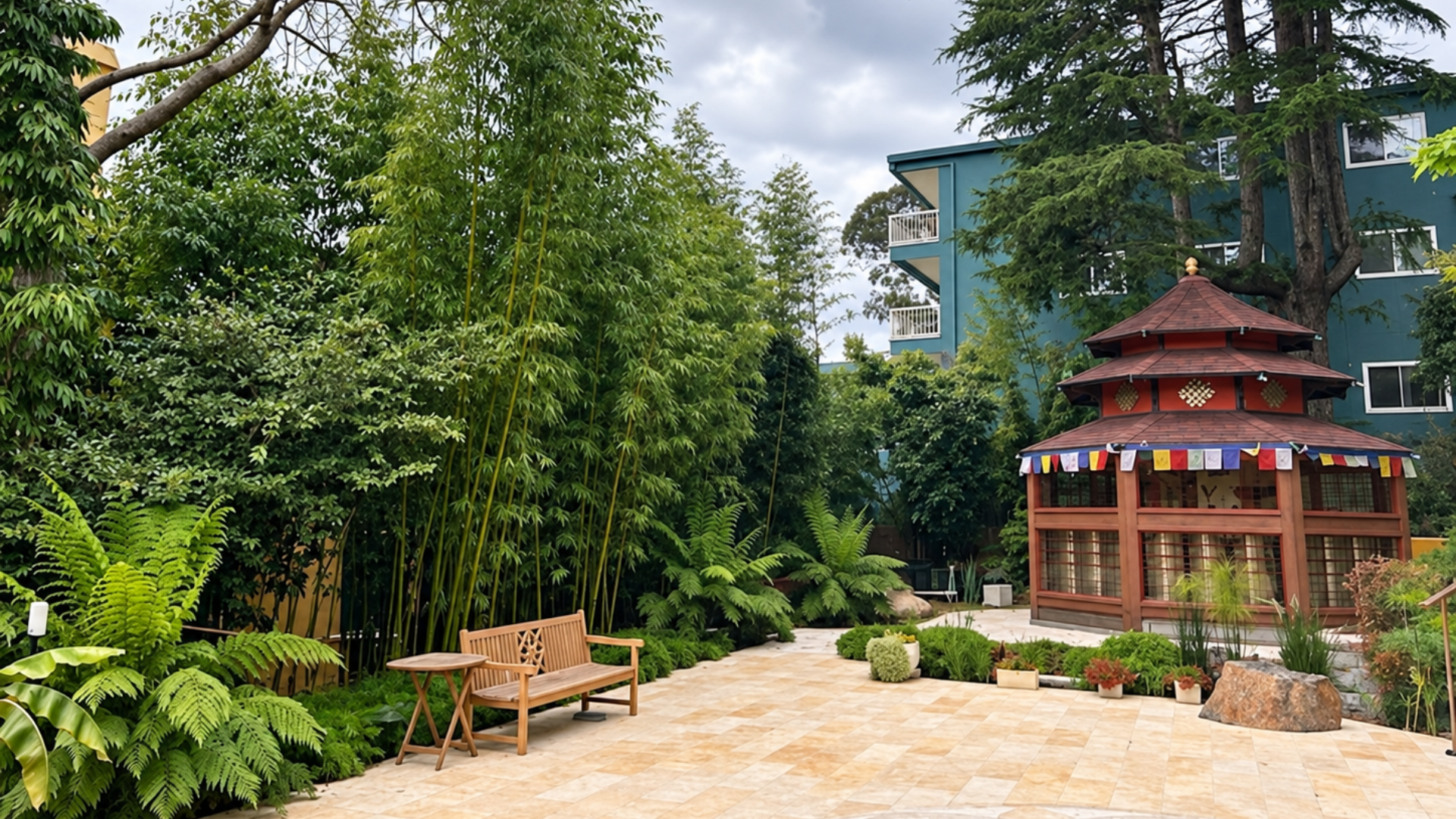
Different bamboo varieties respond differently to sun exposure.
Some perform well in full sun, while others prefer partial shade or protection from intense afternoon heat.
The same property may contain several different microclimates.
A south-facing area near a wall may be much hotter and drier than a protected north-facing corner.
Choosing the bamboo based on the actual planting location helps improve long-term performance.
Wind Exposure Can Change the Decision
Tall plants experience more wind pressure.
A bamboo that performs beautifully in a protected courtyard may struggle in an exposed location where strong wind regularly moves through the property.
Wind can dry foliage, increase water demand, and affect the overall appearance of the planting.
In exposed Northern California sites, wind tolerance should be considered alongside height and appearance.
Cold Hardiness Still Matters
Northern California is not one uniform climate.
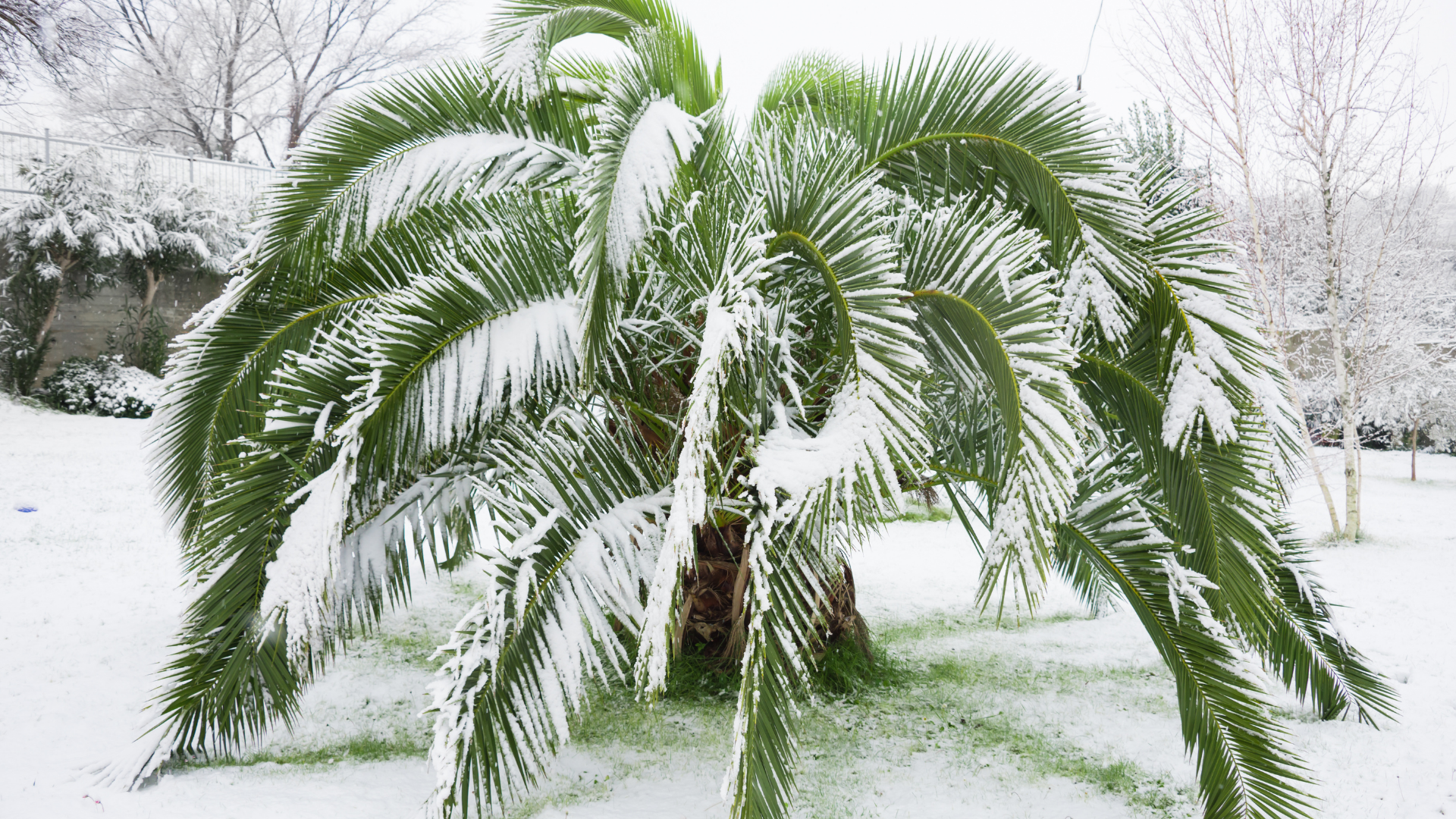
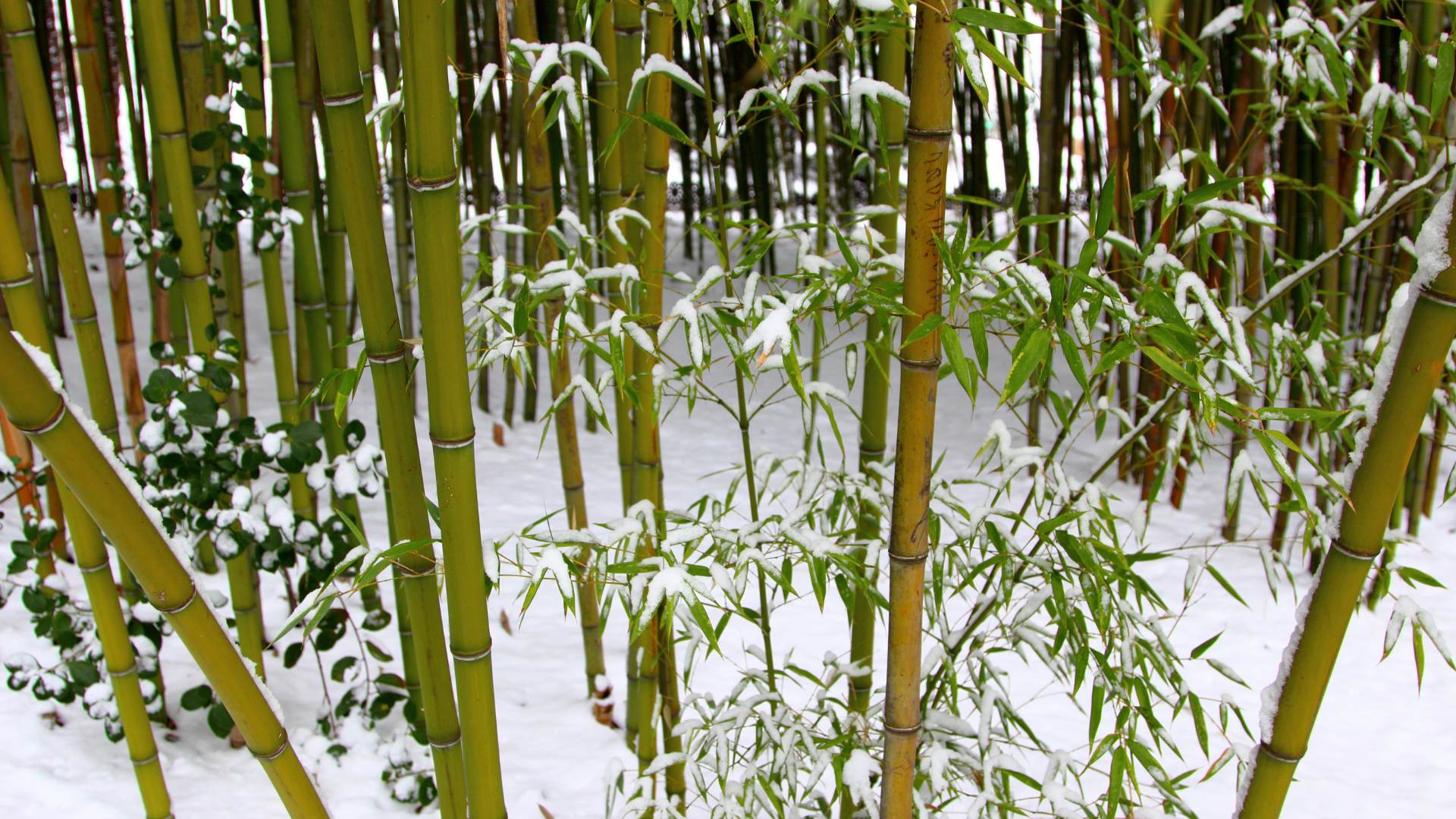
Some areas are mild, while others experience colder winter nights, frost, or stronger seasonal temperature swings.
A bamboo that thrives near the coast may not perform the same way farther inland or at a different elevation.
Cold hardiness should therefore be part of the selection process, particularly when the goal is year-round screening.
Maintenance Expectations Should Be Realistic
Some homeowners want a lush, fast-growing screen and are comfortable with regular pruning and maintenance.
Others want something more controlled.
The best bamboo choice should match the amount of care the homeowner is willing to provide.
Spacing, pruning, irrigation, and rhizome management can all influence how the planting looks several years after installation.
Choose Bamboo for the Site, Not Just the Label
Maximum height is useful information, but it is only one part of choosing bamboo successfully.
Growth habit, mature width, density, sunlight, wind, cold tolerance, and maintenance needs all shape the final result.
Jungle Bamboo and Palms, located in Cotati, California, specializes in bamboo, palms, olive trees, and other unusual plants suited to Northern California landscapes.
With decades of combined landscape-industry experience, the team can help homeowners, designers, and contractors compare varieties based on the actual conditions of the property. If you are planning a privacy screen, specimen planting, or larger landscape project, contact Jungle Bamboo and Palms for help choosing bamboo that fits both the site and the long-term design.