Why Plant Silhouette Matters in Landscape Design

October 2, 2026

Why Plant Silhouette Matters in Landscape Design

When people choose plants, they often focus first on color, flowers, or mature height.


Those details matter, but one of the most important design qualities is often more subtle: silhouette.


A plant’s silhouette is the overall shape it creates in the landscape. Some plants are narrow and upright. Others are rounded, spreading, arching, or strongly vertical. That basic form influences how the landscape feels from a distance and how different plants relate to one another.


For homeowners in Northern California, thinking about silhouette can make a planting design feel more balanced, intentional, and visually interesting.


Shape Creates Structure

A landscape needs more than a collection of attractive plants.


It needs structure.


Plant silhouette helps create that structure by giving the eye clear forms to follow.


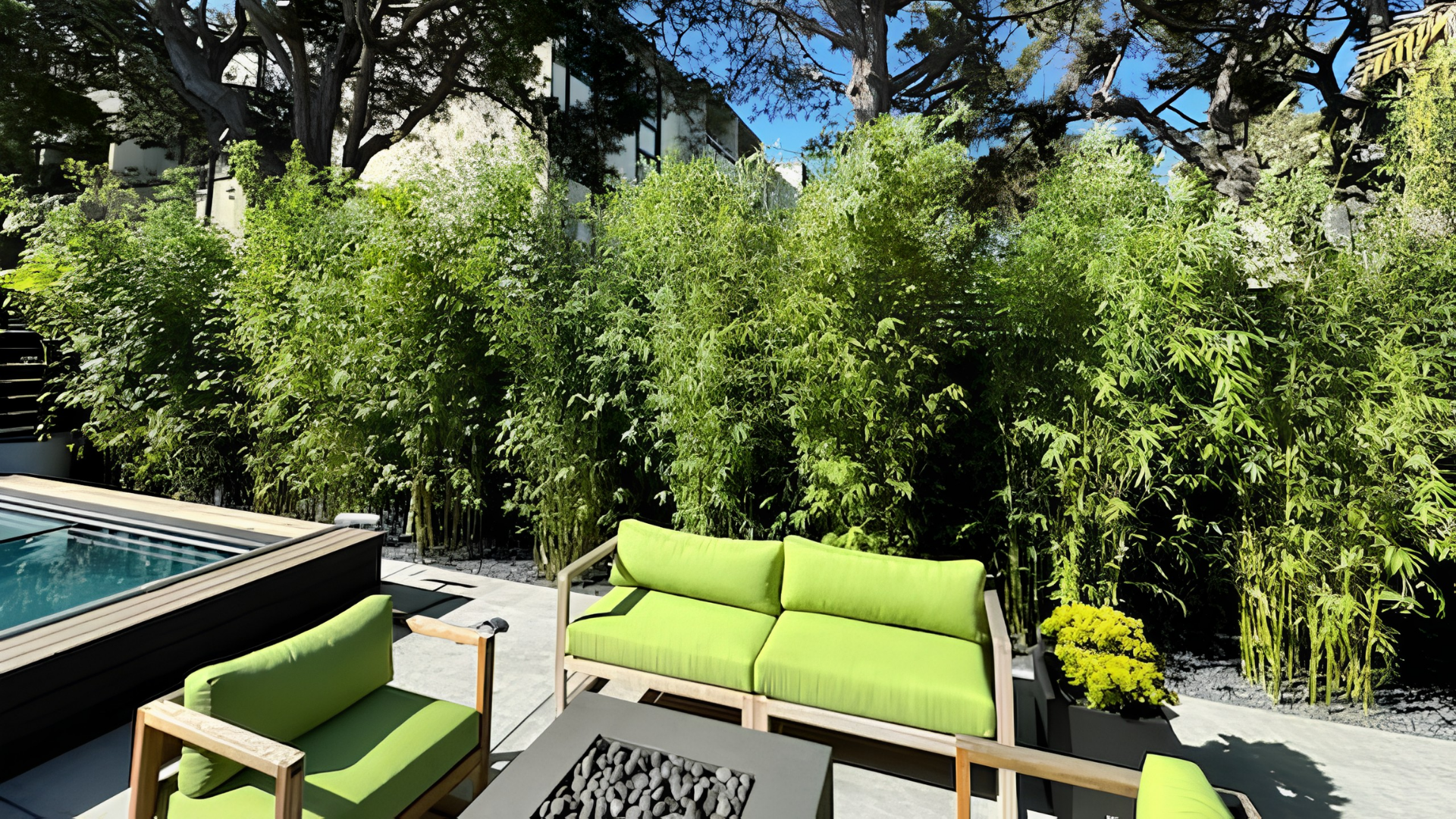
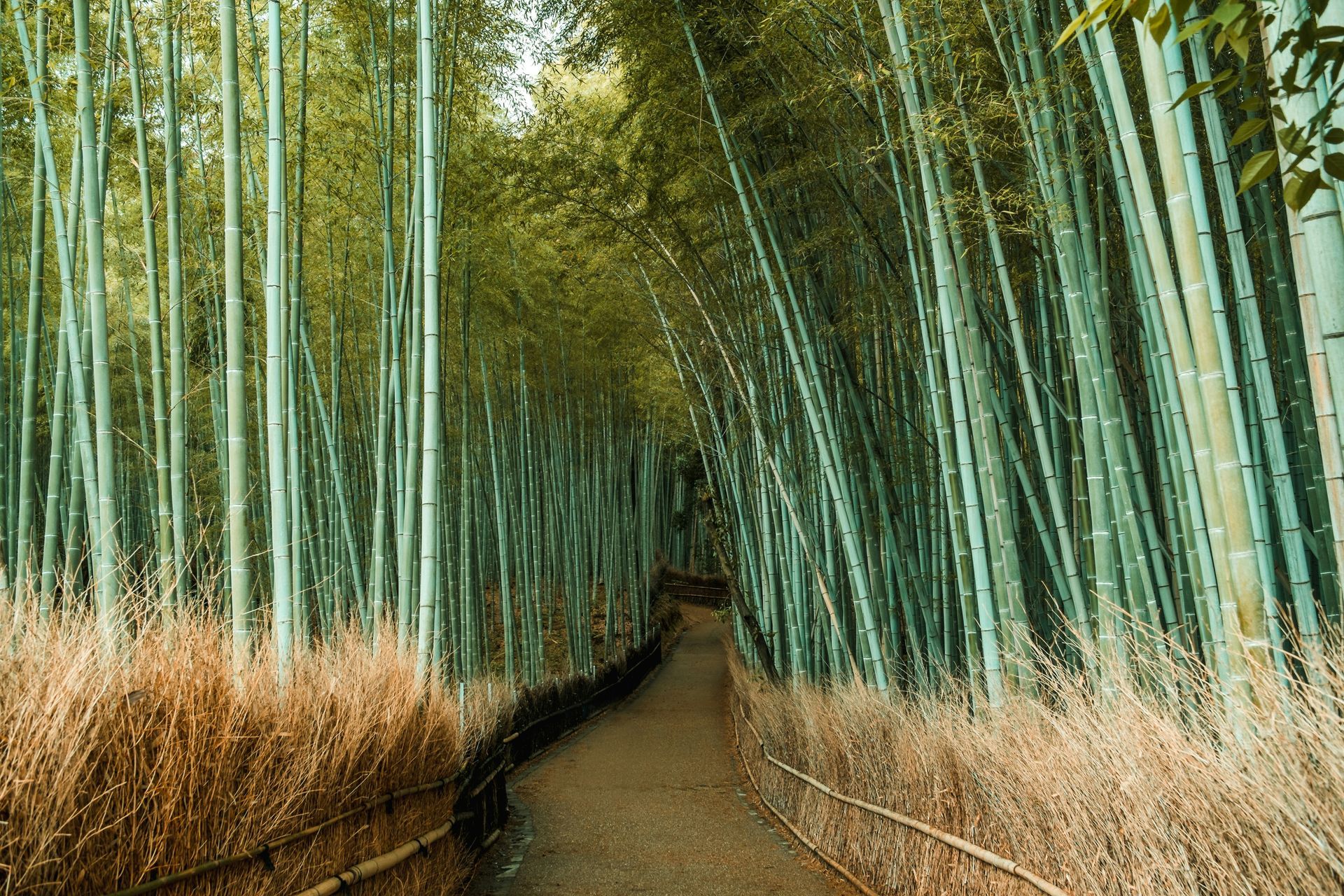
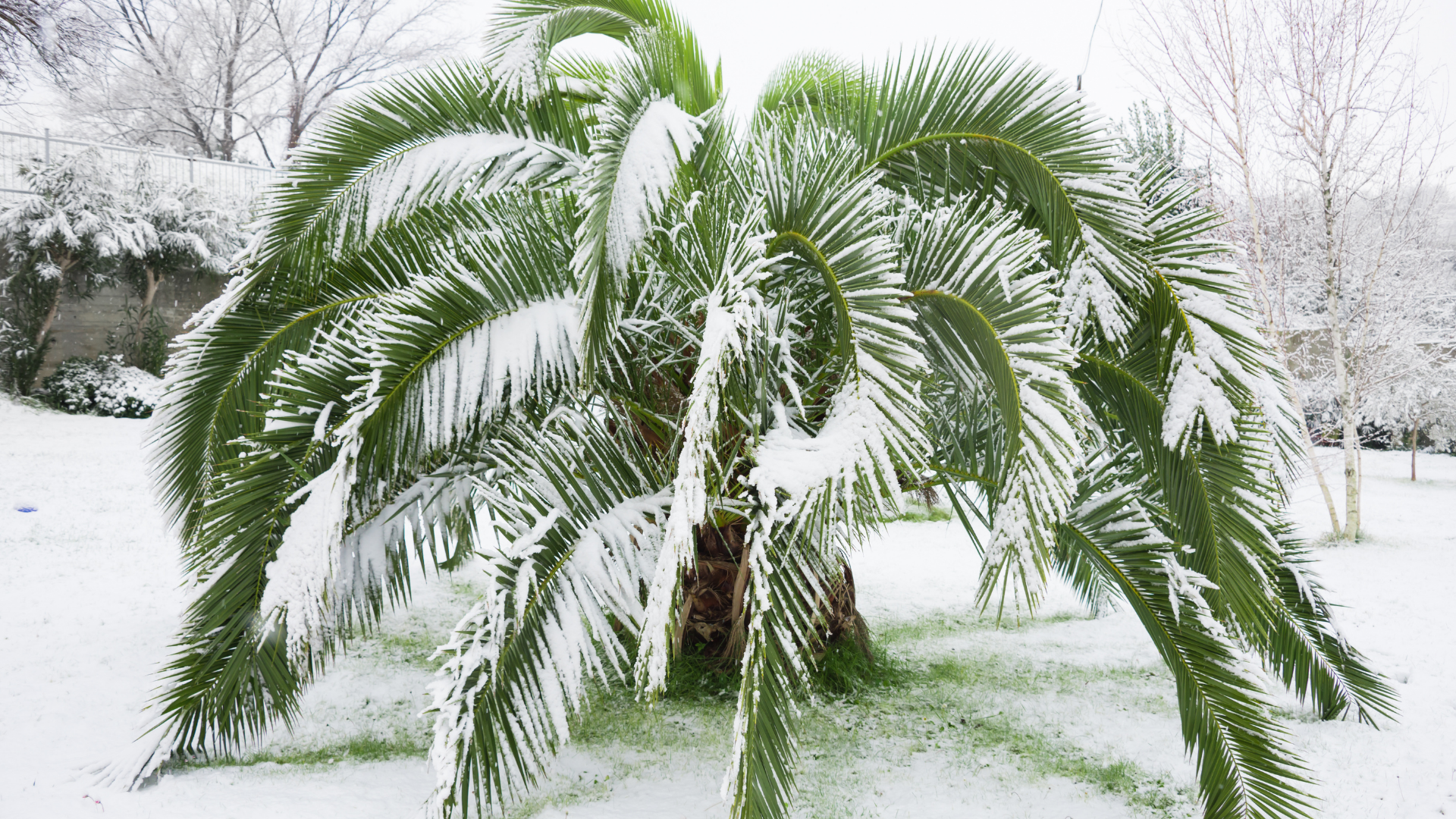
A tall, narrow palm can add vertical emphasis. A broad olive tree can create a spreading canopy. Bamboo can form a strong upright screen. A tree fern can add a soft, umbrella-like shape.


When these forms are chosen thoughtfully, the landscape gains rhythm and definition.
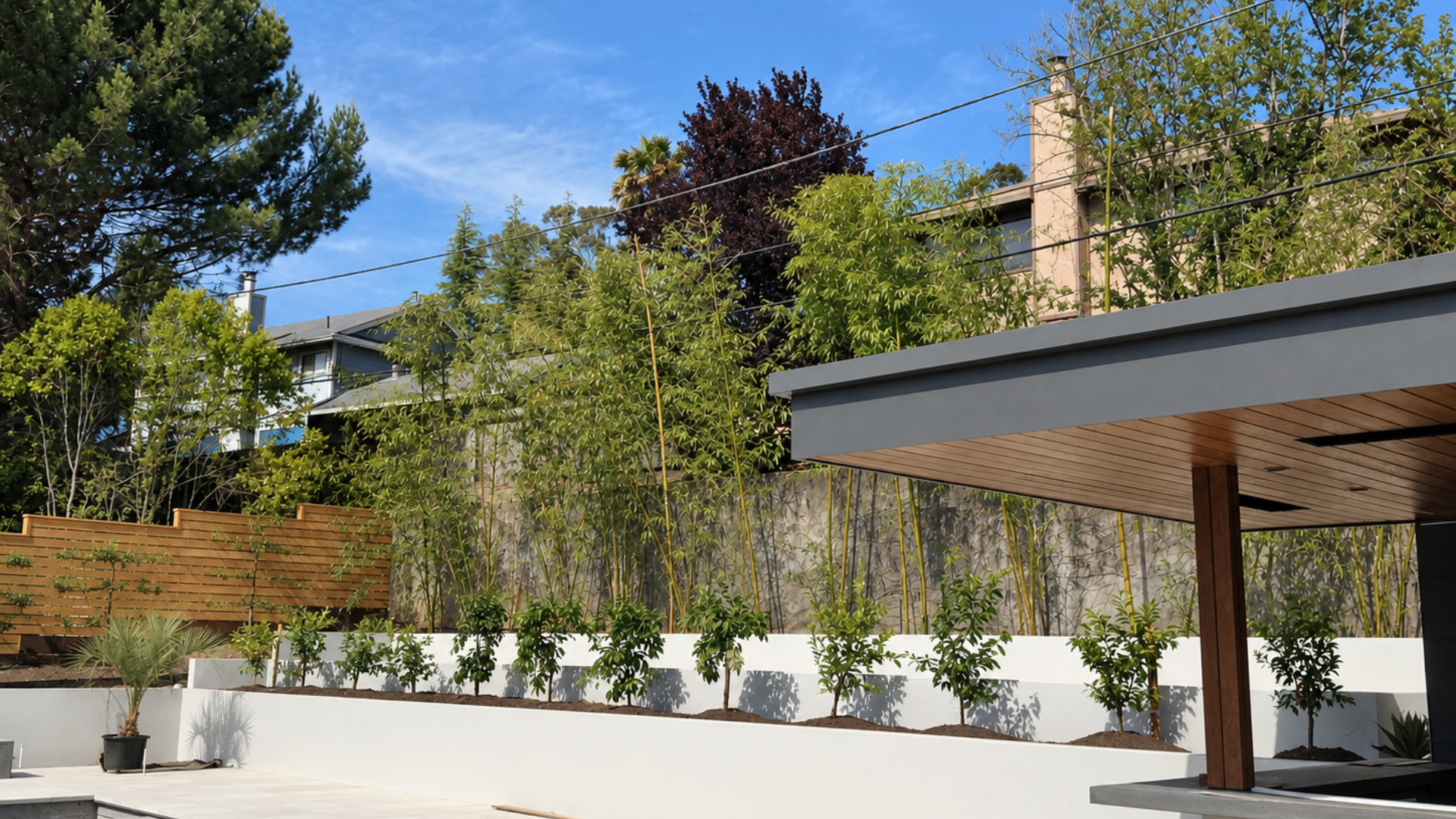
Modern patio with white planters, green trees, and a wooden pergola under a blue sky, a work of Jungle Bamboo and Palm Nursery

Vertical Plants Add Height

Vertical silhouettes are useful when a space needs height without too much width.


Palms, bamboo, and certain upright evergreens can draw the eye upward and make a planting area feel taller.


This can be especially helpful along fences, near buildings, or in narrow side yards.


Vertical plants can also act as architectural accents, framing an entry or marking an important part of the property.


The key is making sure the mature scale fits the space.


Rounded Forms Create Softness

Rounded or spreading plants tend to make landscapes feel softer and more grounded.


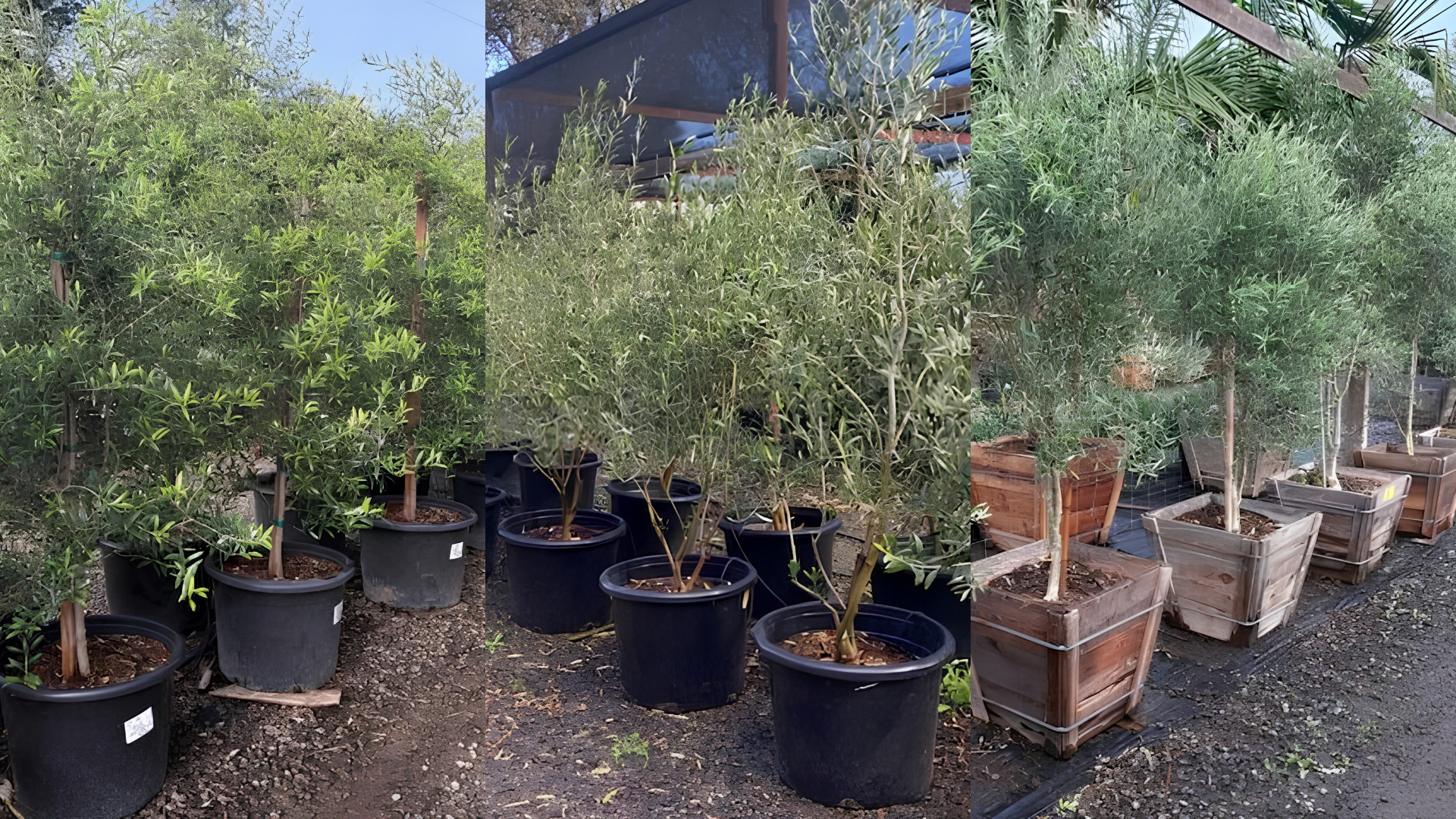
Olive trees are a good example.


Their branching form and broad canopy can contrast nicely with the more rigid lines of a house, wall, or patio.


Rounded silhouettes also work well when the goal is to create a relaxed, naturalistic appearance.


When paired with taller, narrower plants, they help prevent the landscape from feeling too repetitive.
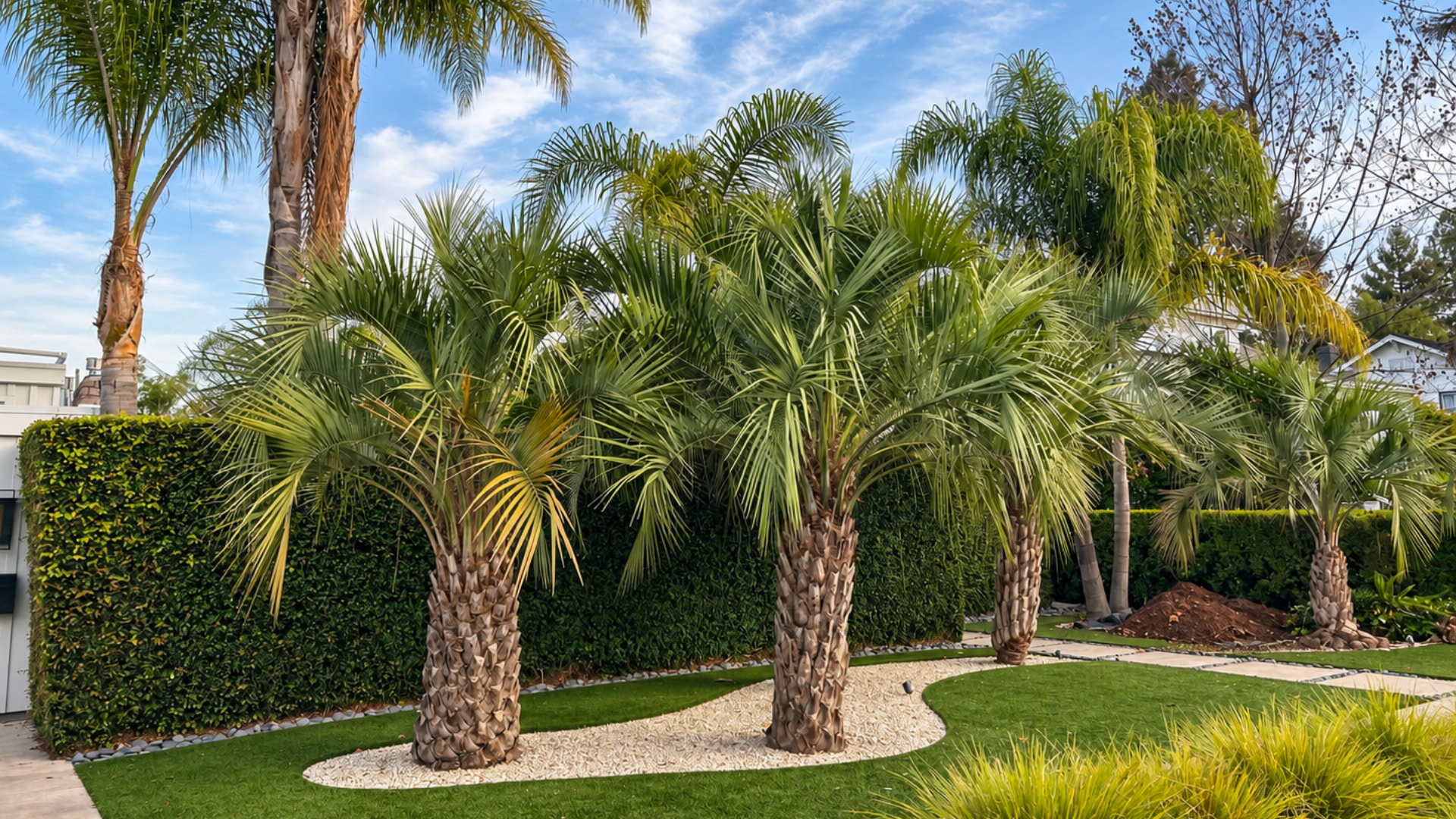
Landscaped yard with palm trees, trimmed hedges, and green grass in bright sunlight,  a work of Jungle Bamboo and Palm Nursery

Arching Shapes Add Movement

Some plants have leaves or branches that arch outward.


That shape can make a garden feel more dynamic because the eye follows the curve.


Tree ferns, certain palms, and broad-leaved tropical-style plants can create this effect.


Arching forms are especially useful near seating areas, paths, or water features where movement and texture can soften hardscape.


They can also help create a transition between taller background plants and lower ground-level planting.


Silhouette Matters in Privacy Design

Privacy planting is not only about how tall a plant gets.


The shape of the plant affects how effectively it fills space.


A narrow plant may provide excellent height but leave gaps at the sides. A broad plant may fill width quickly but take up too much room.


Bamboo can be useful in tighter spaces because its upright habit can create screening without the same footprint as a broad tree.


Mixed plantings can work especially well because different silhouettes overlap and create a more natural screen.
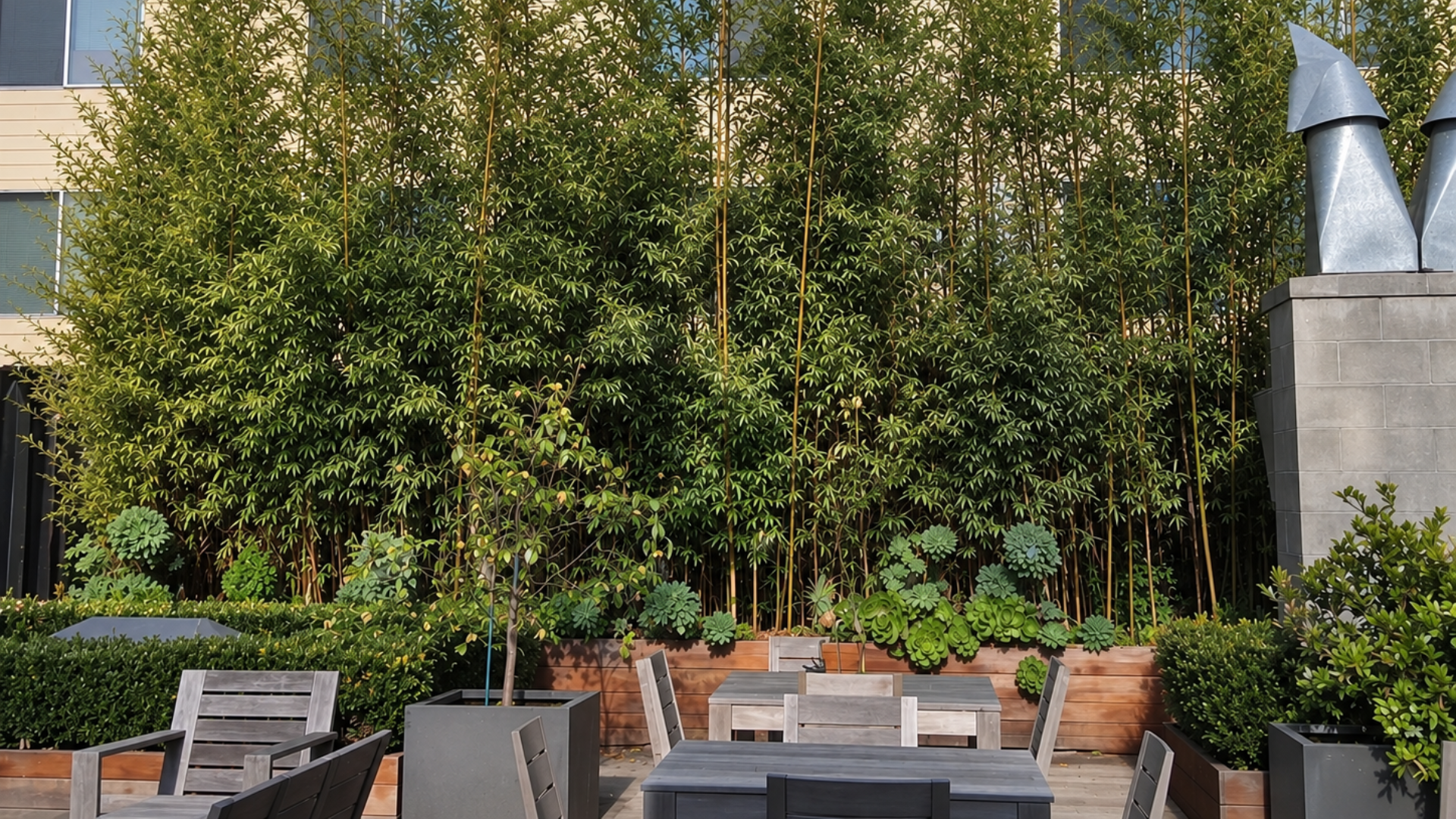
Outdoor patio with gray chairs, wooden tables, and lush green trees and planters,  a work of Jungle Bamboo and Palm Nursery

Contrast Makes Planting More Interesting

A landscape made entirely of plants with the same shape can feel flat.


Contrast creates visual interest.


Fine, vertical bamboo next to a broad olive tree creates one kind of contrast. A palm above lower rounded shrubs creates another.


The goal is not to use as many different forms as possible.


Too much variety can make the design feel busy.


A stronger approach is to repeat a few silhouettes and use contrast selectively.


Mature Form Matters More Than Nursery Size

Plants can look very different when young.


A small specimen in a nursery may not reveal how wide, tall, or architectural it will eventually become.


That is why mature silhouette should always be part of the selection process.


Choosing based only on how the plant looks today can create crowding or imbalance later.


Planning around mature form makes the landscape easier to manage and more successful long term.
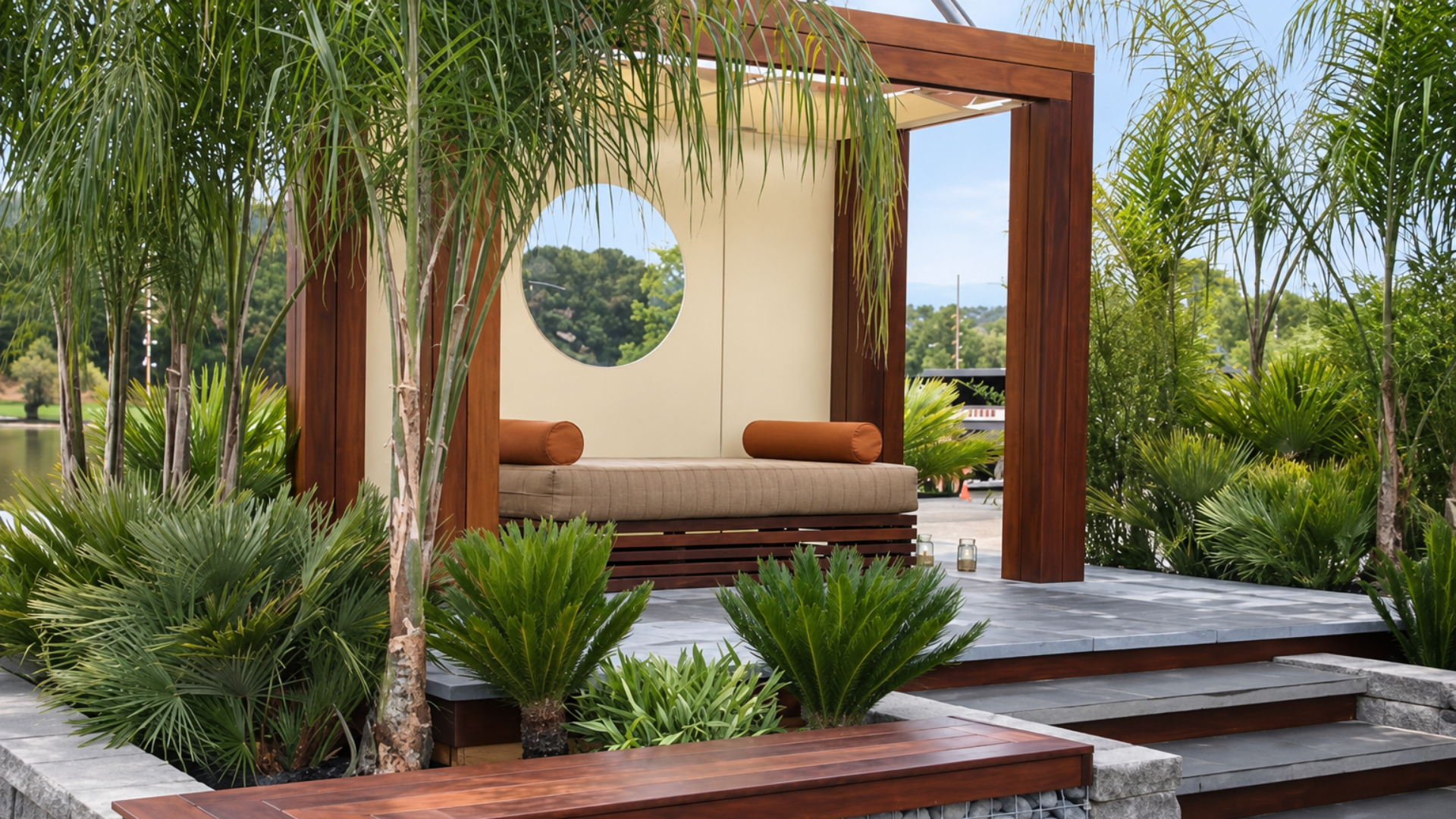
Modern outdoor lounge with wooden pergola, circular mirror, and green plants beside a pool,  a work of Jungle Bamboo and Palm Nursery

Design With Shape From the Beginning

Color and flowers often change with the season, but plant silhouette provides year-round structure.


It shapes views, creates privacy, frames architecture, and gives the landscape a stronger sense of order.


Jungle Bamboo and Palms in Cotati, California, specializes in bamboo, palms, olive trees, tree ferns, tropical plants, and other unusual specimens for Northern California landscapes.


With decades of combined landscape-industry experience, the team can help homeowners, designers, and contractors choose plants based not only on species and climate, but also on mature shape, scale, and overall design effect.
September 24, 2026
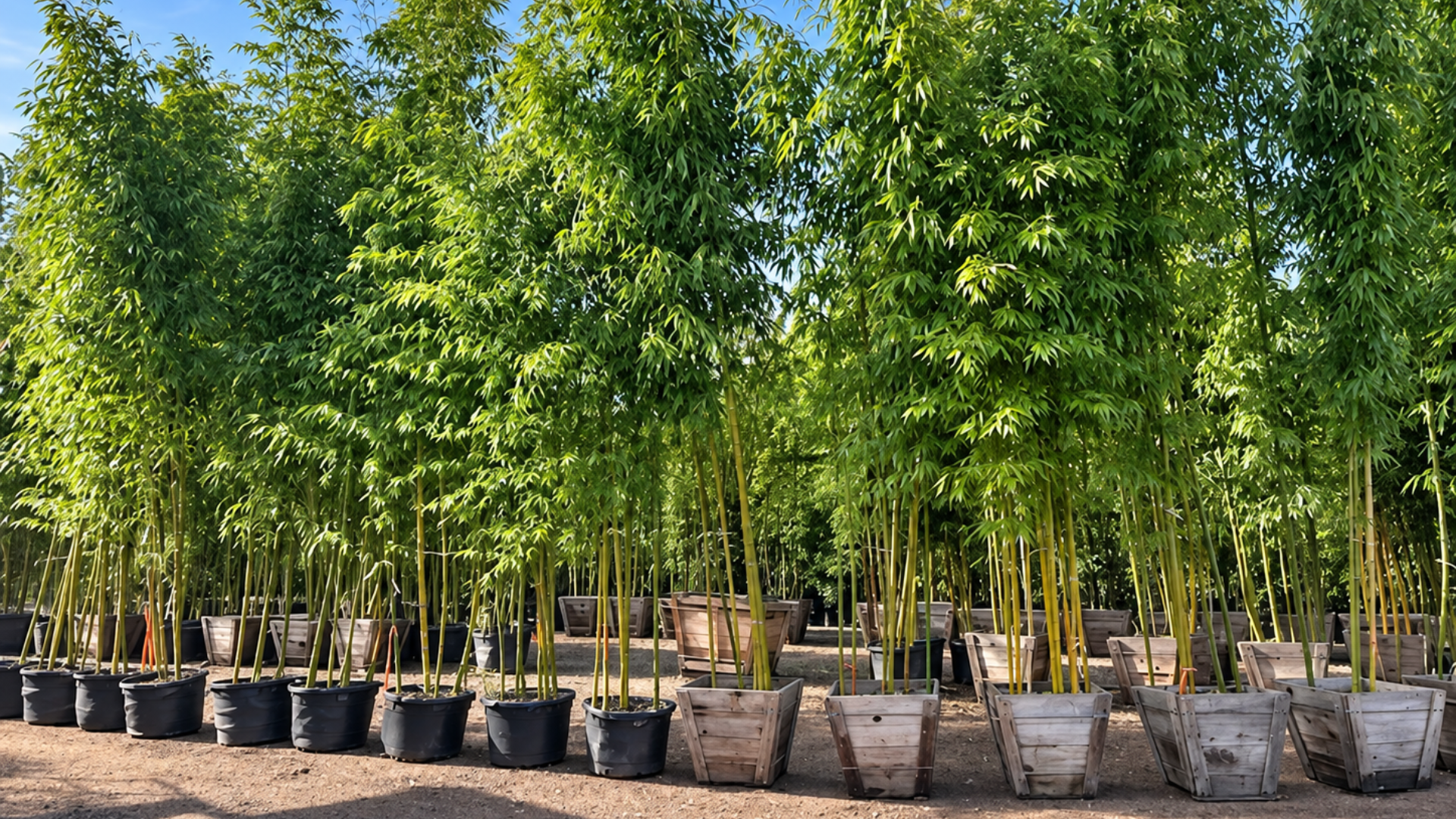
When people shop for bamboo , height is often the first feature they compare. That makes sense, especially when the goal is privacy, screening, or creating a strong vertical element in the landscape. But height alone does not tell you whether a bamboo variety is a good fit for the property. Growth habit, mature width, cold hardiness, sun exposure, wind tolerance, maintenance needs, and available planting space all matter. In Northern California, where conditions can vary significantly from one yard to another, choosing bamboo based only on maximum height can lead to disappointing results. Growth Habit Comes First One of the most important distinctions is whether the bamboo is clumping or running. Clumping bamboo tends to expand gradually from a central root mass, while running bamboo spreads through underground rhizomes that can travel farther from the original planting area. Neither type is automatically better. The right choice depends on the site, the desired effect, and how much control the homeowner wants over future spread. A narrow side yard may call for a different approach than a large open property.
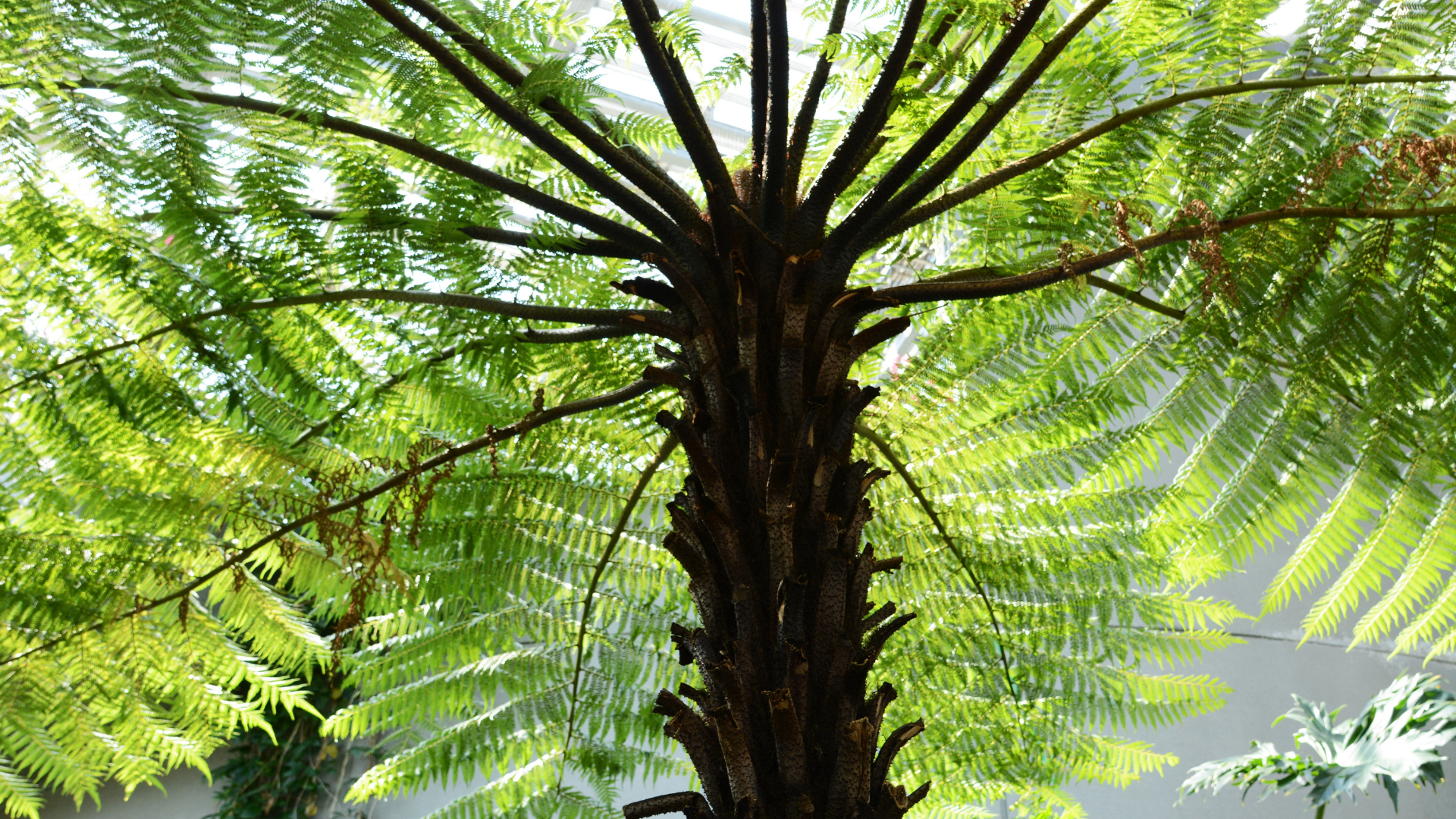
Tall tree fern with a dark trunk and bright green fronds against a soft gray background
September 20, 2026
Tree ferns have a look that is difficult to confuse with anything else. Their upright trunks and broad, arching fronds create a lush, almost prehistoric appearance that can make a garden feel more layered and distinctive. In Northern California, tree ferns can be especially effective in protected landscapes where moisture, filtered light, and mild conditions come together. They are not the right plant for every location, but in the right setting, they can become a dramatic focal point without overwhelming the rest of the garden. Their Form Creates Immediate Visual Interest One of the biggest reasons tree ferns stand out is their shape. Unlike lower-growing ferns, tree ferns lift their foliage higher into the landscape . The result is a plant that adds both vertical structure and a soft canopy effect. That combination can make them useful in courtyards, shaded entries, protected patios, and layered garden beds. The trunk provides architectural height, while the fronds introduce movement and texture.
September 14, 2026
Why One Side of Your Property May Support Different Plants Than the Other Two areas of the same yard can behave like completely different growing environments. One side may stay warm, dry, and protected, while another remains cooler, windier, or more shaded. These small environmental differences are called microclimates, and they can have a major influence on how well bamboo, palms, olives, and other landscape plants perform. For Northern California homeowners, understanding microclimates can make plant selection much more accurate than relying on regional climate information alone.
September 6, 2026
Bamboo can be an excellent choice for privacy, screening, structure, and dramatic landscape design, but choosing the right type matters. One of the most important distinctions is whether the bamboo is clumping or running. Both types can be attractive and useful, but they grow differently and require different planning. For homeowners in Northern California, understanding that growth habit before planting can help avoid future maintenance problems and make it easier to select bamboo that fits the property. What Is Clumping Bamboo? Clumping bamboo grows outward gradually from a central root mass . New shoots generally emerge relatively close to the existing plant, causing the bamboo to expand as a widening clump rather than rapidly spreading across a large area.  This more contained growth habit makes clumping bamboo appealing for homeowners who want the height, texture, and privacy of bamboo without managing aggressive underground spread. Clumping varieties can work especially well near patios, property lines, courtyards, and other areas where maintaining a defined planting zone is important.
August 31, 2026
Palm trees are often associated with warm tropical climates, but many species can grow successfully in cooler regions when they are matched carefully to local conditions. In Northern California , choosing a palm based on appearance alone can lead to disappointment if the tree is not suited to winter temperatures.  For homeowners, landscapers, and designers, cold hardiness should be one of the first factors considered when selecting a palm. Jungle Bamboo and Palm Nursery specializes in climate-adapted and cold-resistant palms for Northern California landscapes, where temperatures and microclimates can vary considerably from one property to another.
August 25, 2026
Olive trees bring a distinctive Mediterranean character to Northern California landscapes. Their silvery-green foliage, sculptural branching, and ability to serve as either a focal point or part of a larger planting design make them especially versatile.  At Jungle Bamboo and Palm Nursery in Cotati , customers can explore several olive varieties, including Manzanillo, Wilsonii, and Majestic Beauty. While all three offer the classic look associated with olive trees, they differ significantly in fruit production, maintenance considerations, and how they are typically used in the landscape.