
What Makes a Tree Fern Stand Out in a Northern California Garden
Tree ferns have a look that is difficult to confuse with anything else. Their upright trunks and broad, arching fronds create a lush, almost prehistoric appearance that can make a garden feel more layered and distinctive.
In Northern California, tree ferns can be especially effective in protected landscapes where moisture, filtered light, and mild conditions come together. They are not the right plant for every location, but in the right setting, they can become a dramatic focal point without overwhelming the rest of the garden.
Their Form Creates Immediate Visual Interest
One of the biggest reasons tree ferns stand out is their shape.
Unlike lower-growing ferns, tree ferns lift their foliage higher into the landscape. The result is a plant that adds both vertical structure and a soft canopy effect.
That combination can make them useful in courtyards, shaded entries, protected patios, and layered garden beds.
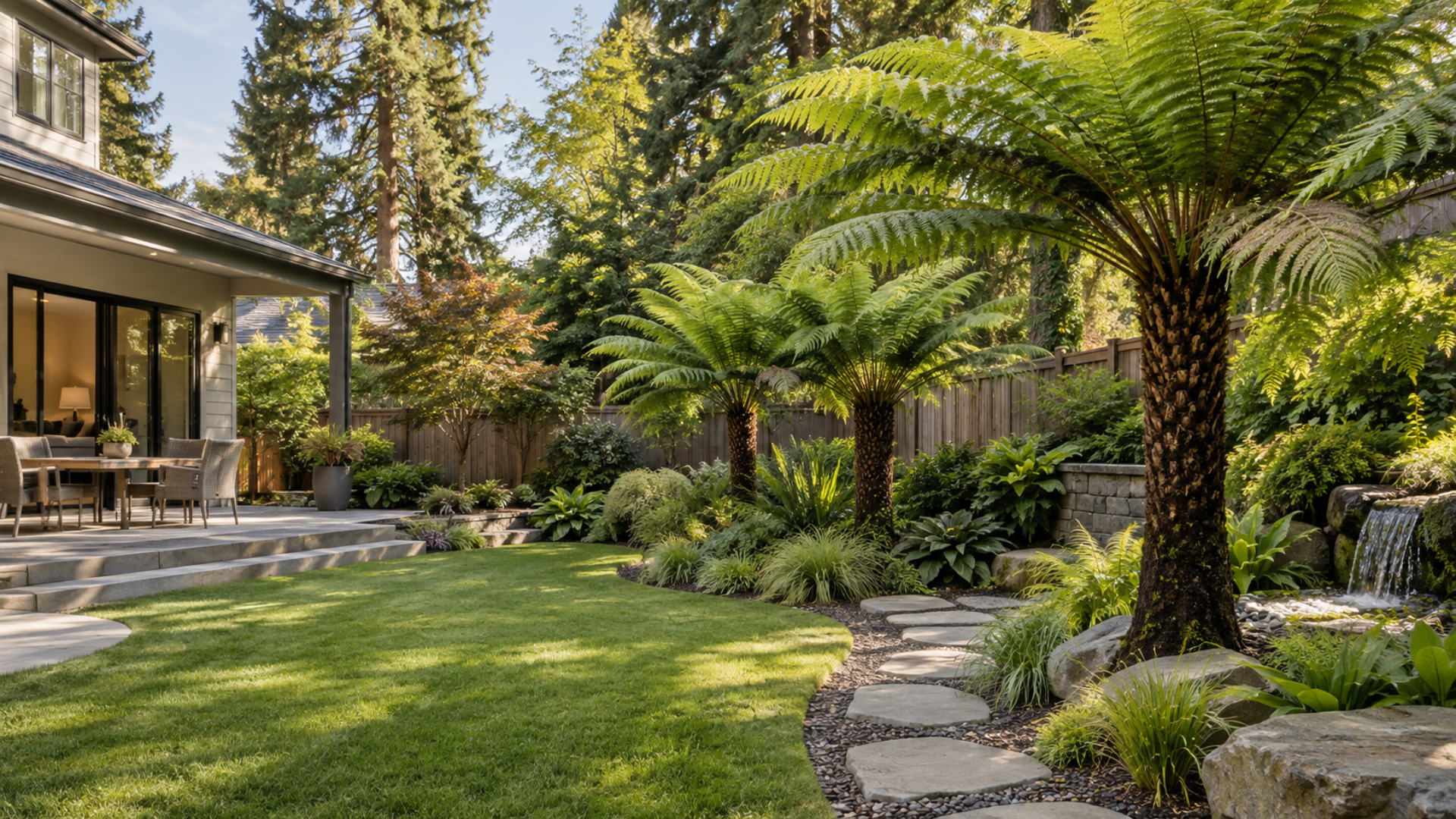
The trunk provides architectural height, while the fronds introduce movement and texture.
They Add a Different Kind of Texture
Many gardens rely heavily on shrubs, ornamental grasses, or broadleaf evergreens.
Tree ferns introduce a much finer and more feathery texture.
That contrast can make nearby plants appear more defined.
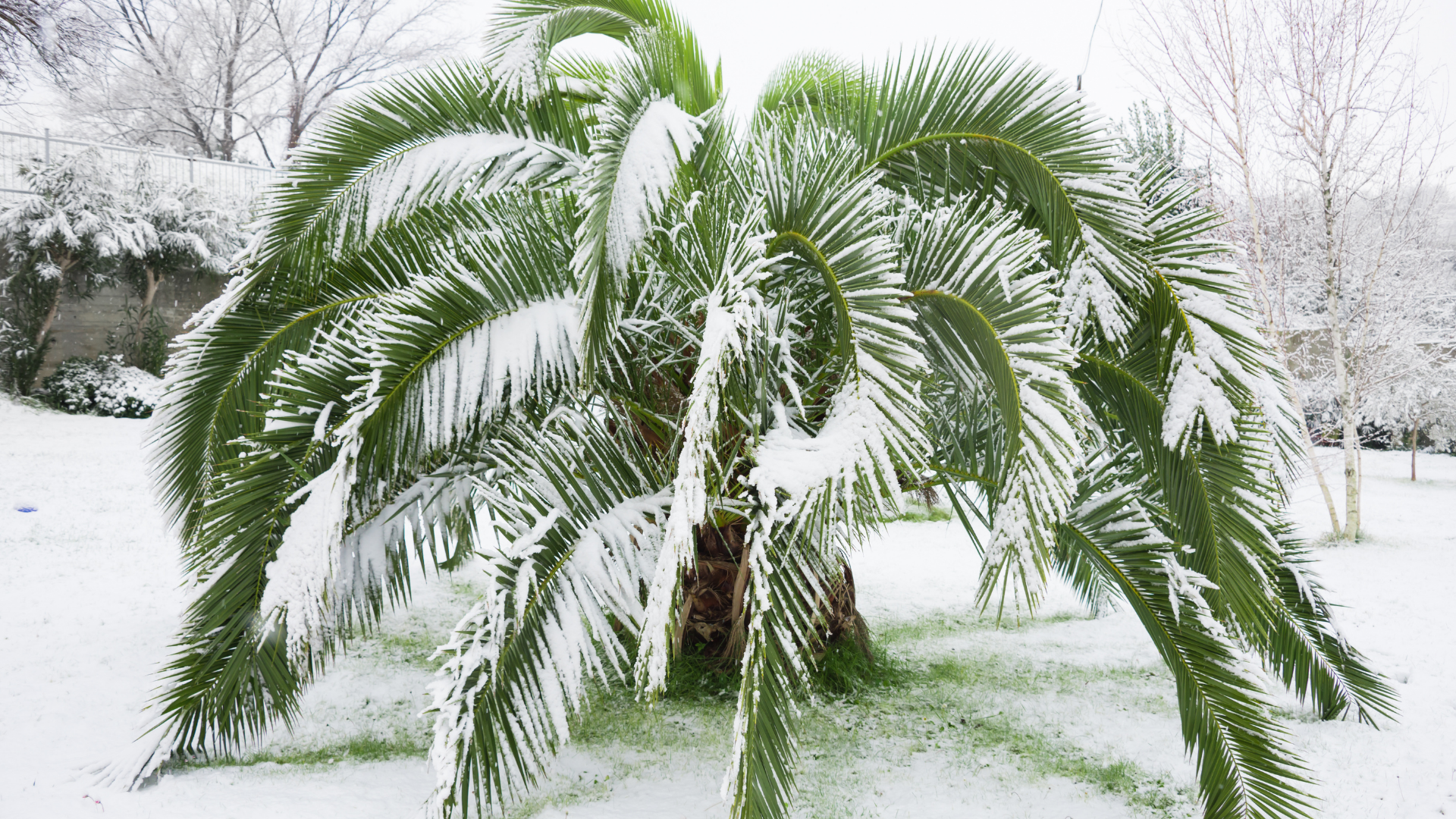
For example, the bold leaves of tropical-looking plants, the clean lines of palms, or the dense foliage of evergreen shrubs can all look more interesting when paired with the lighter texture of fern fronds.
Good landscape design often depends on that kind of contrast.
They Work Well in Protected Microclimates
Tree ferns generally perform best where they are protected from harsh afternoon sun, drying wind, and extreme cold.
That makes microclimate especially important.
A courtyard enclosed by walls may hold more humidity and warmth than an open yard. A north- or east-facing area may receive gentler light. Nearby trees or structures may also provide enough protection to create a more suitable growing environment.
Northern California properties can contain several different microclimates within the same yard, so careful placement matters.
Moisture Is Important
Tree ferns typically prefer consistent moisture.
That does not mean waterlogged soil, but they generally perform better when the root zone does not dry out repeatedly.
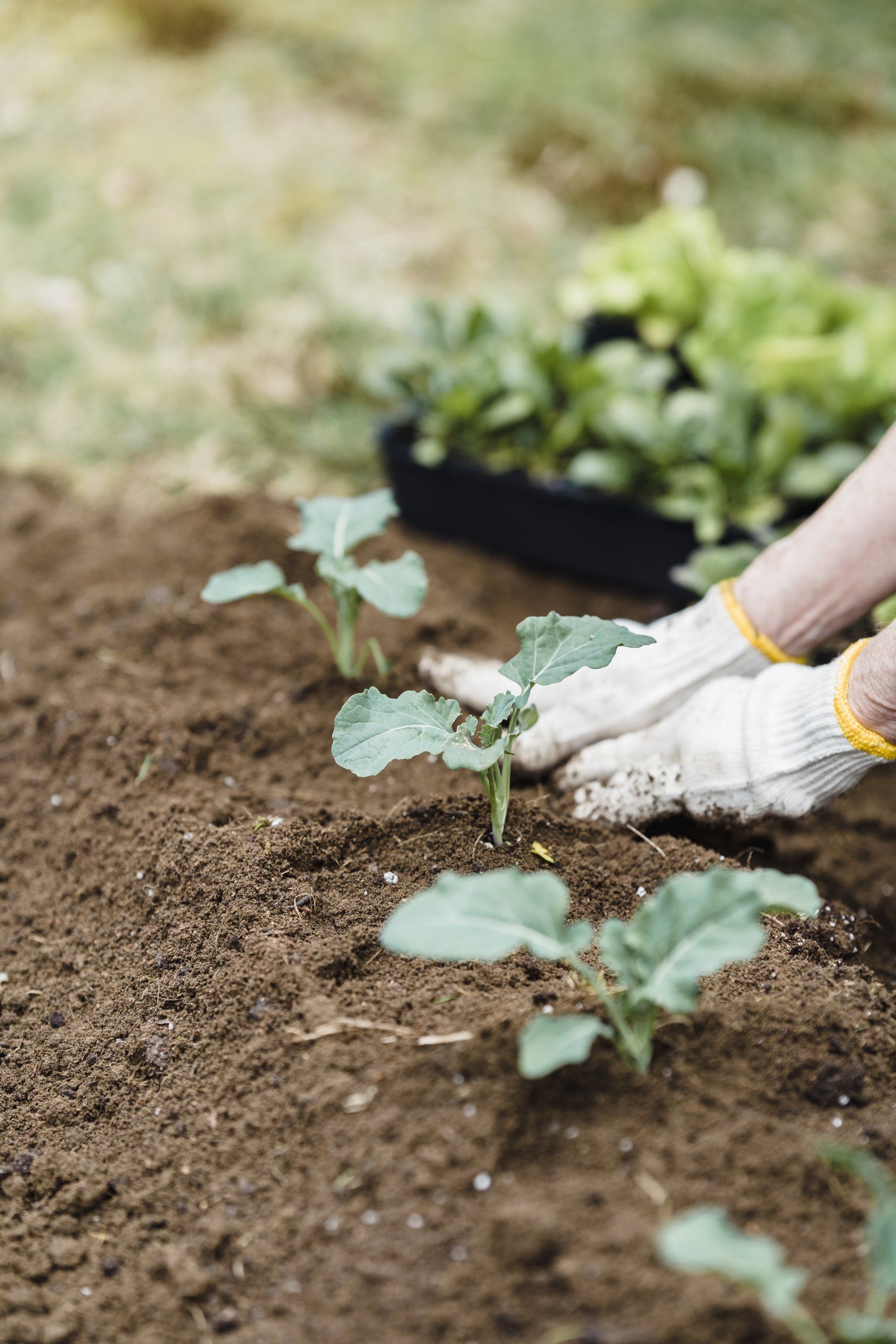
Mulching around the base can help moderate soil temperature and moisture.
In drier areas, irrigation may need to be planned more carefully than it would be for a drought-tolerant shrub.
This is one reason plant selection should be based on the site rather than appearance alone.
Their Canopy Can Soften Hardscape
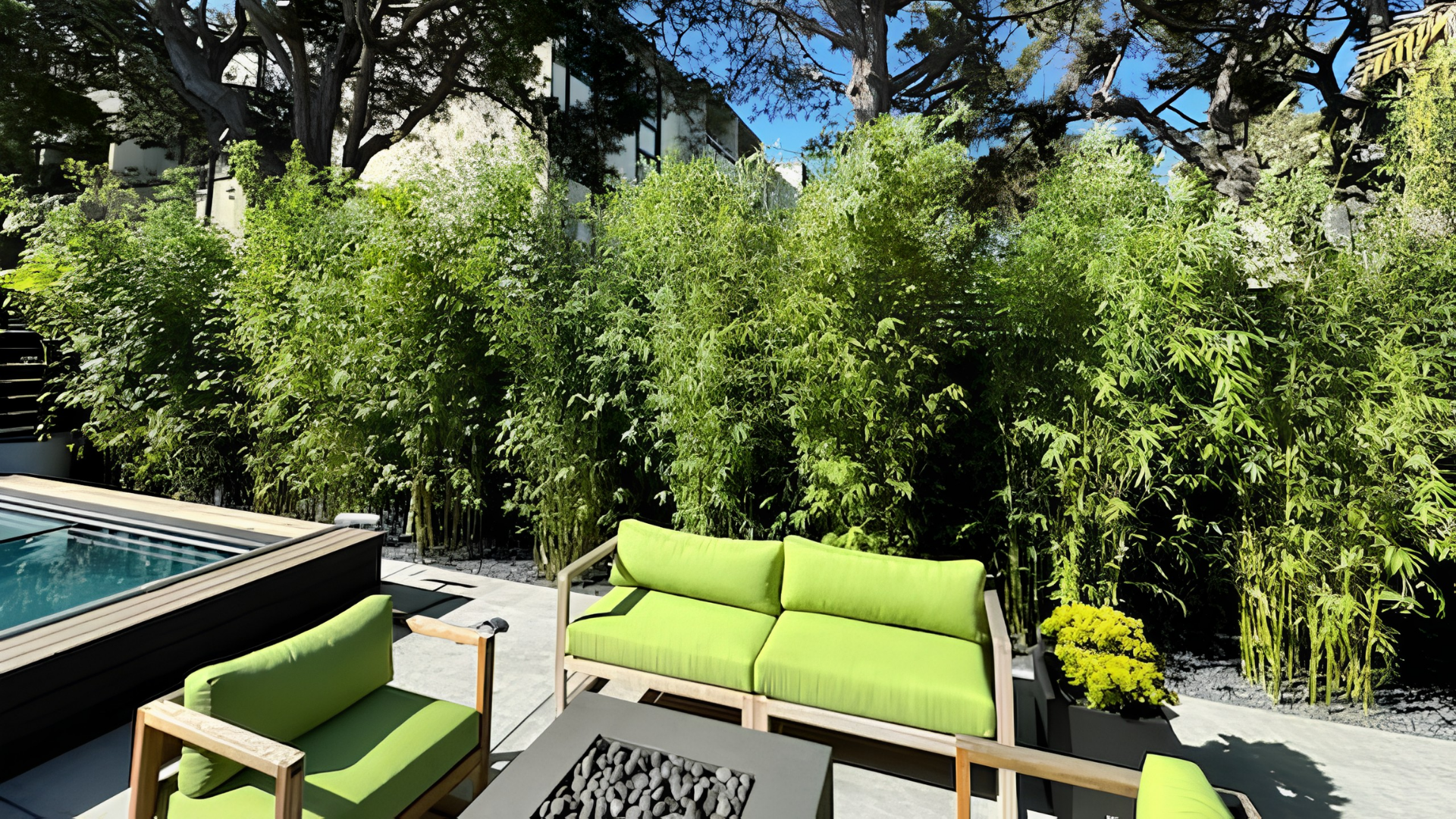
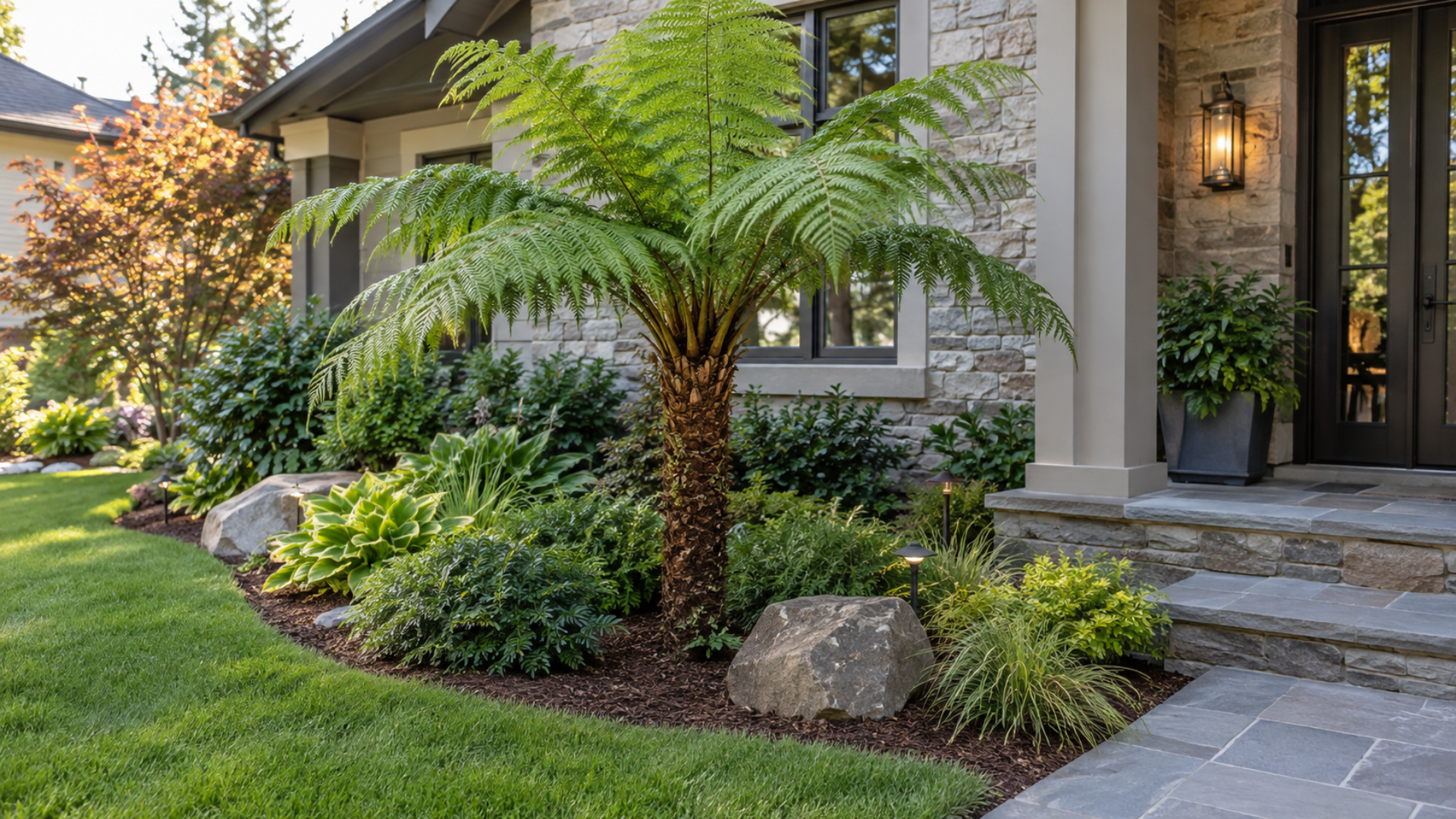
Tree ferns can be particularly effective near patios, walkways, garden walls, and other hardscape.
The fronds soften straight architectural lines and introduce movement into areas that might otherwise feel rigid.
They can also create a sense of enclosure without blocking views completely.
That makes them useful in spaces where homeowners want a lush feeling without using a dense hedge or large tree.
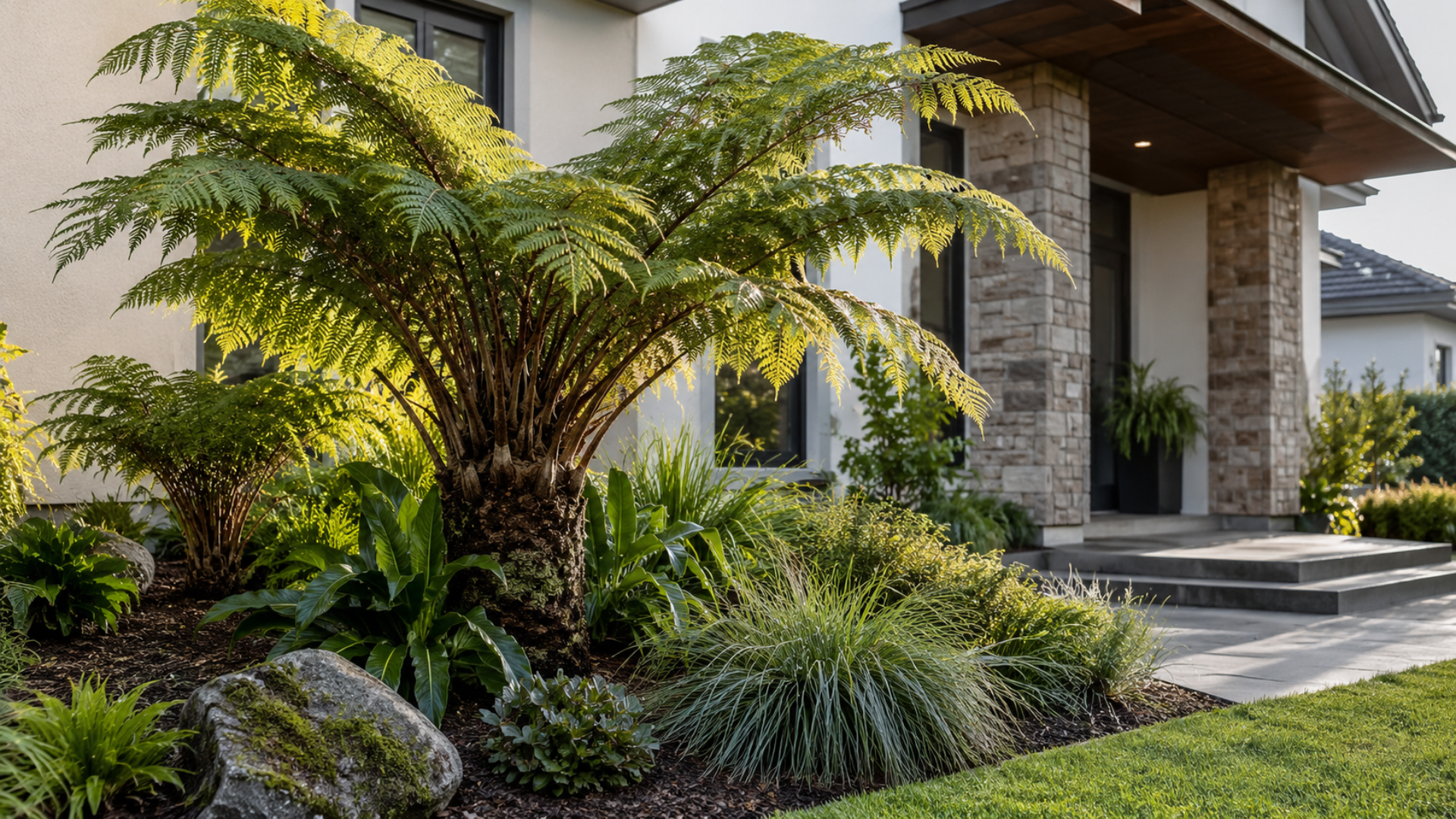
They Can Bridge Different Landscape Styles
Tree ferns are often associated with tropical gardens, but they can work in many other design styles.
In a contemporary landscape, their sculptural form can provide contrast against clean masonry, concrete, or metal.
In a woodland-inspired setting, they can reinforce a softer, more natural atmosphere.
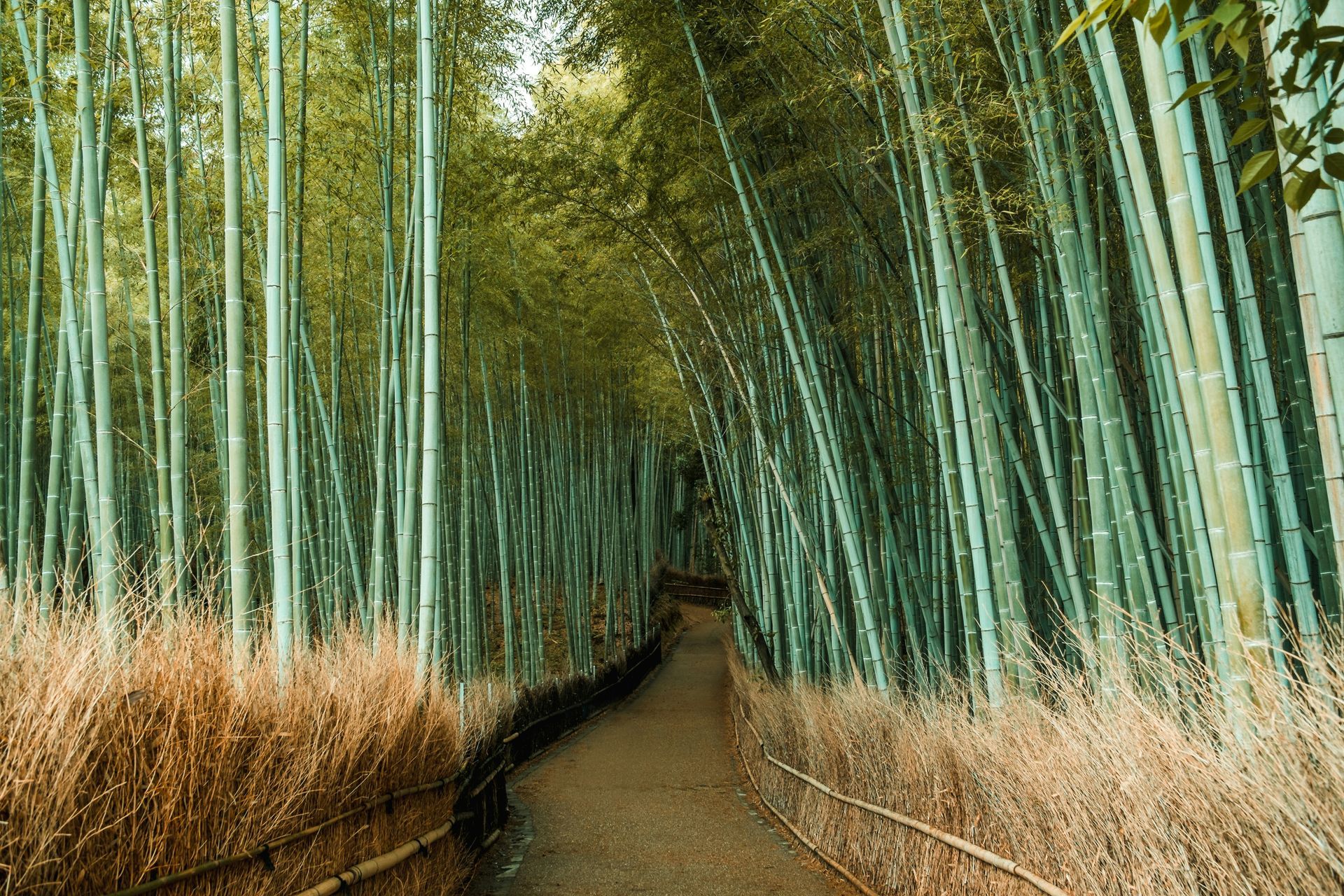
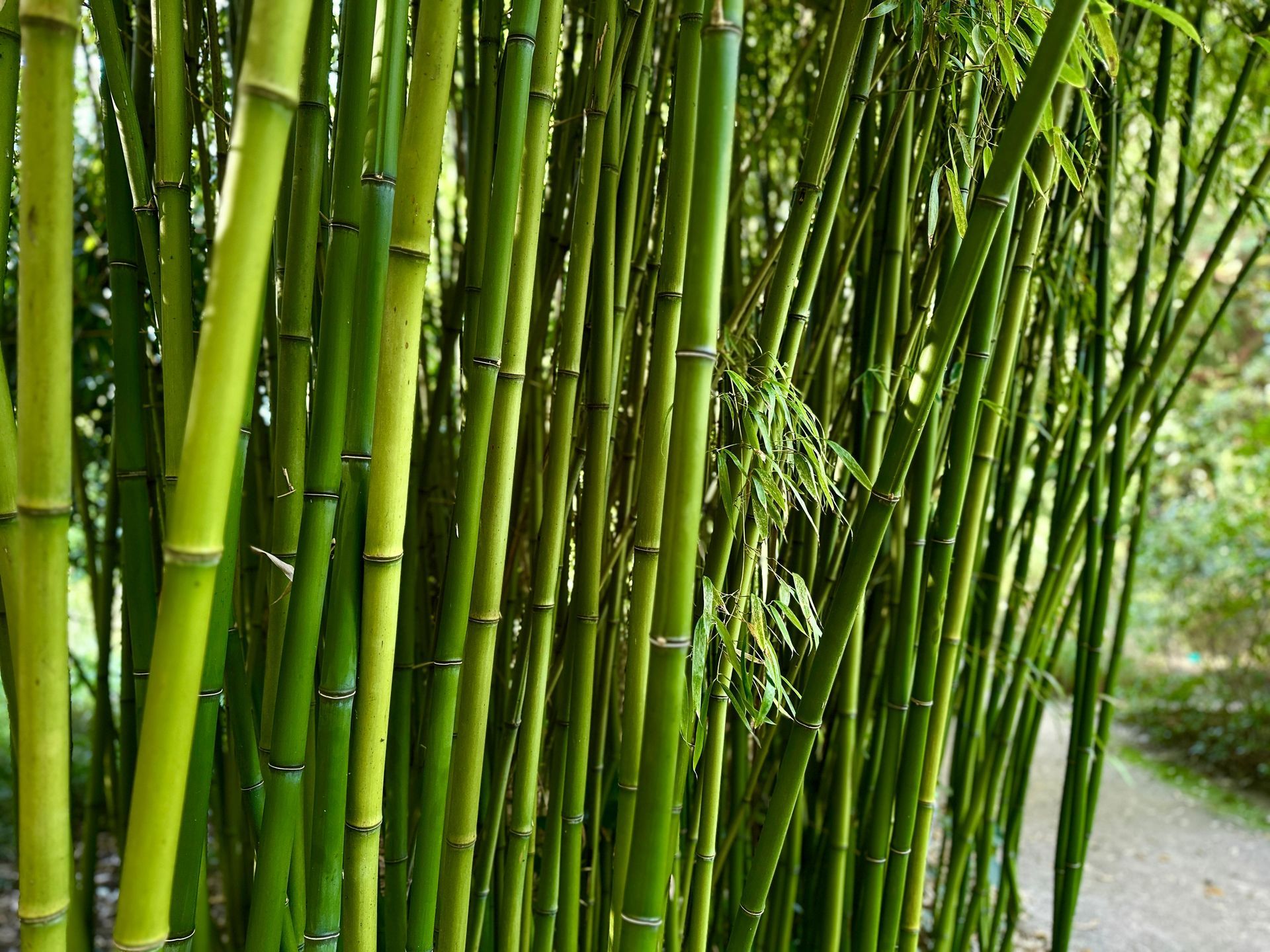
They can also pair well with palms, bamboo, bromeliads, and other unusual plants when the goal is to create a more exotic garden.
The key is restraint.
A single well-placed specimen may have more impact than several crowded together.
Mature Size Should Be Considered Early
Tree ferns may start relatively compact, but their presence increases significantly as the trunk develops and fronds spread outward.
That means spacing matters.
A plant placed too close to a walkway, wall, or doorway may eventually interfere with circulation.
Before planting, it helps to consider both the expected height and the width of the canopy.
Planning for mature size can prevent the plant from outgrowing the space.
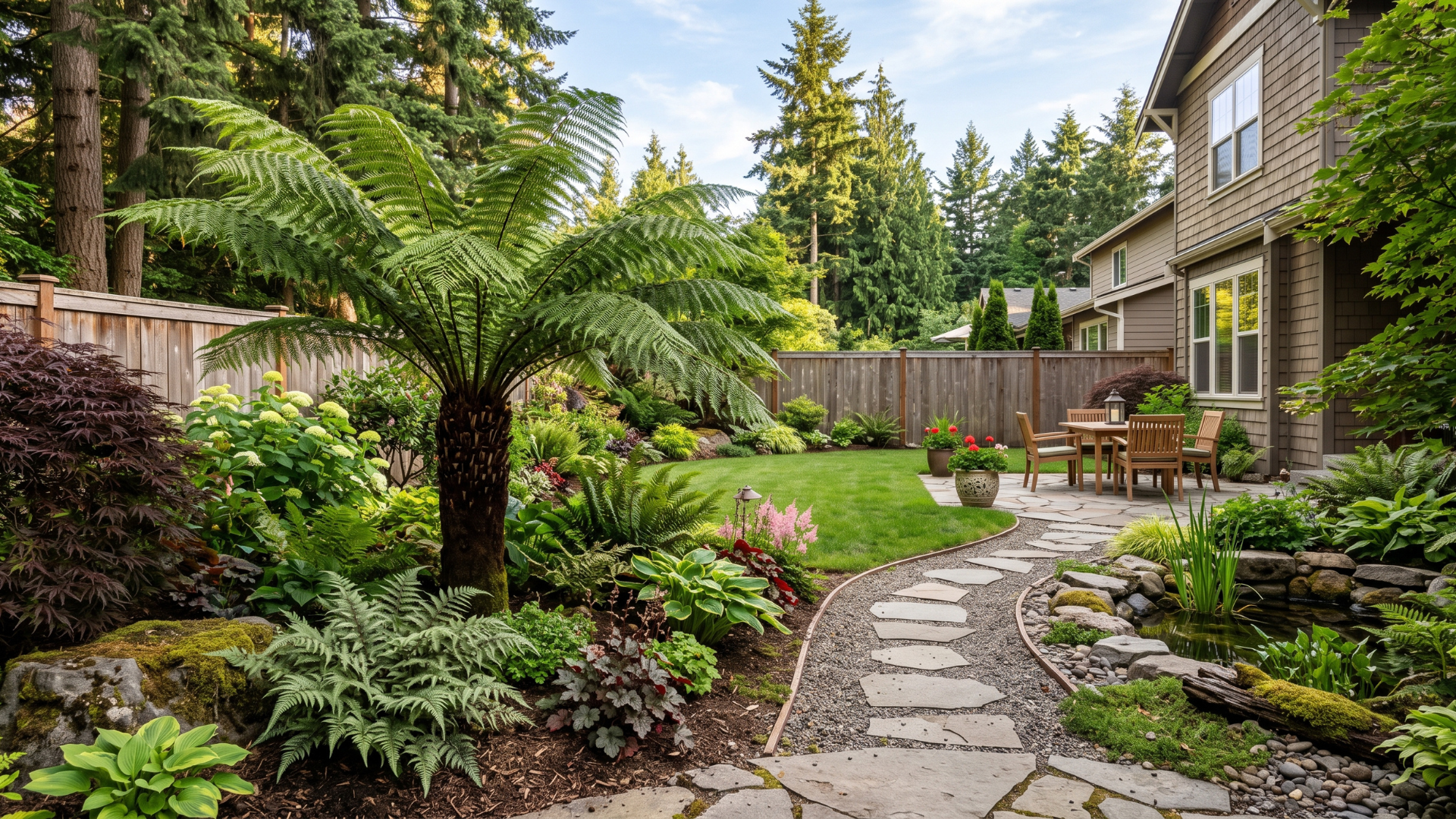
A Strong Choice for the Right Setting
Tree ferns stand out because they offer a combination of height, texture, movement, and unusual form.
They can transform a protected corner of the garden, soften architecture, and add a sense of depth that many traditional shrubs cannot provide.
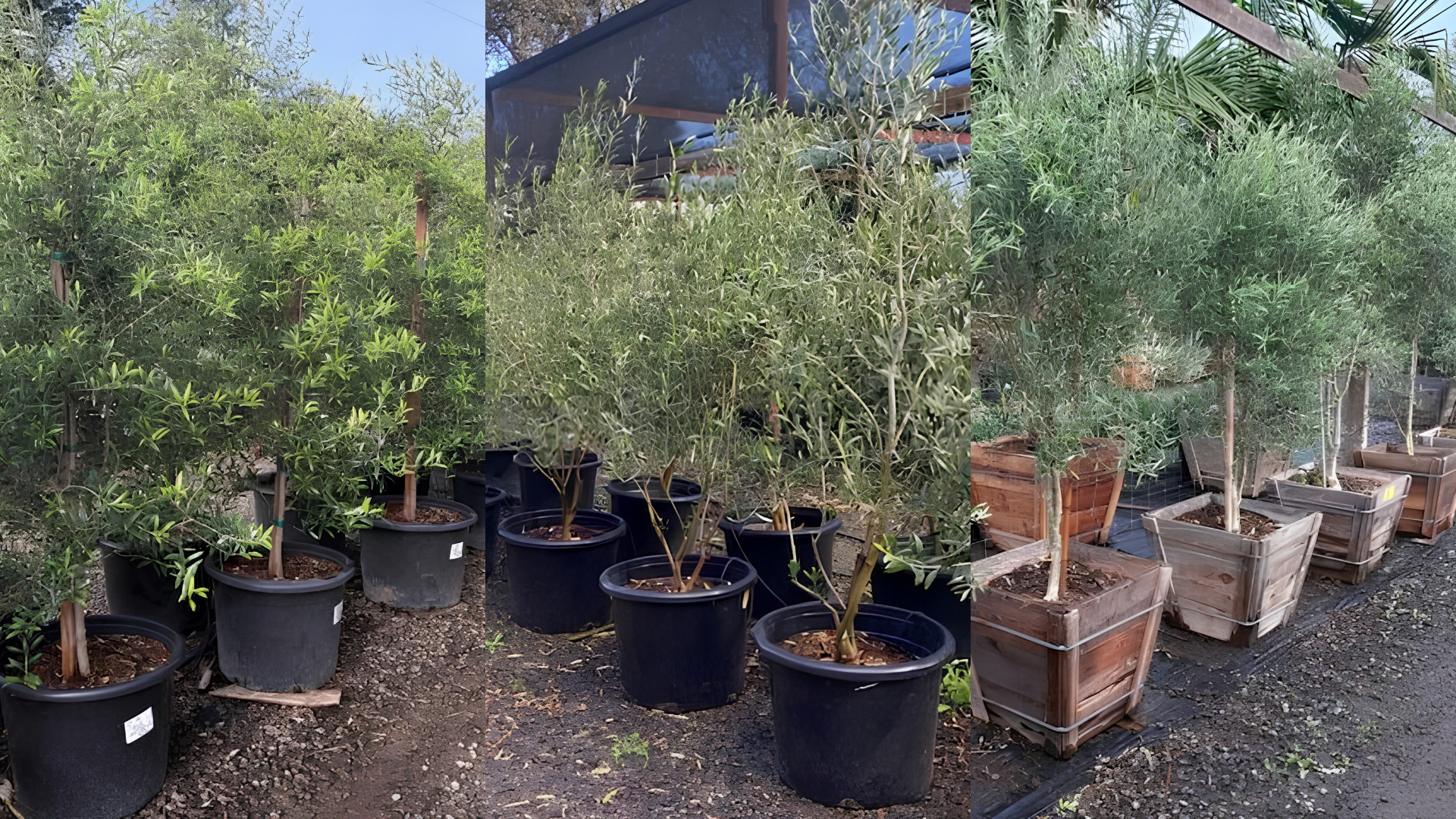
Jungle Bamboo and Palms, located in Cotati, California, offers a wide range of unusual and climate-adapted plants, including tree ferns, bamboo, palms, olive trees, bromeliads, and other distinctive specimens.
With decades of combined landscape experience, the team can help homeowners, designers, and contractors choose plants that fit the property’s light, exposure, soil, and long-term design goals. If you are looking for a standout specimen for a Northern California landscape, contact Jungle Bamboo and Palms for plant-selection guidance.