
Why One Side of Your Property May Support Different Plants Than the Other
Why One Side of Your Property May Support Different Plants Than the Other
Two areas of the same yard can behave like completely different growing environments.
One side may stay warm, dry, and protected, while another remains cooler, windier, or more shaded. These small environmental differences are called microclimates, and they can have a major influence on how well bamboo, palms, olives, and other landscape plants perform.
For Northern California homeowners, understanding microclimates can make plant selection much more accurate than relying on regional climate information alone.
Sun Exposure Changes Everything
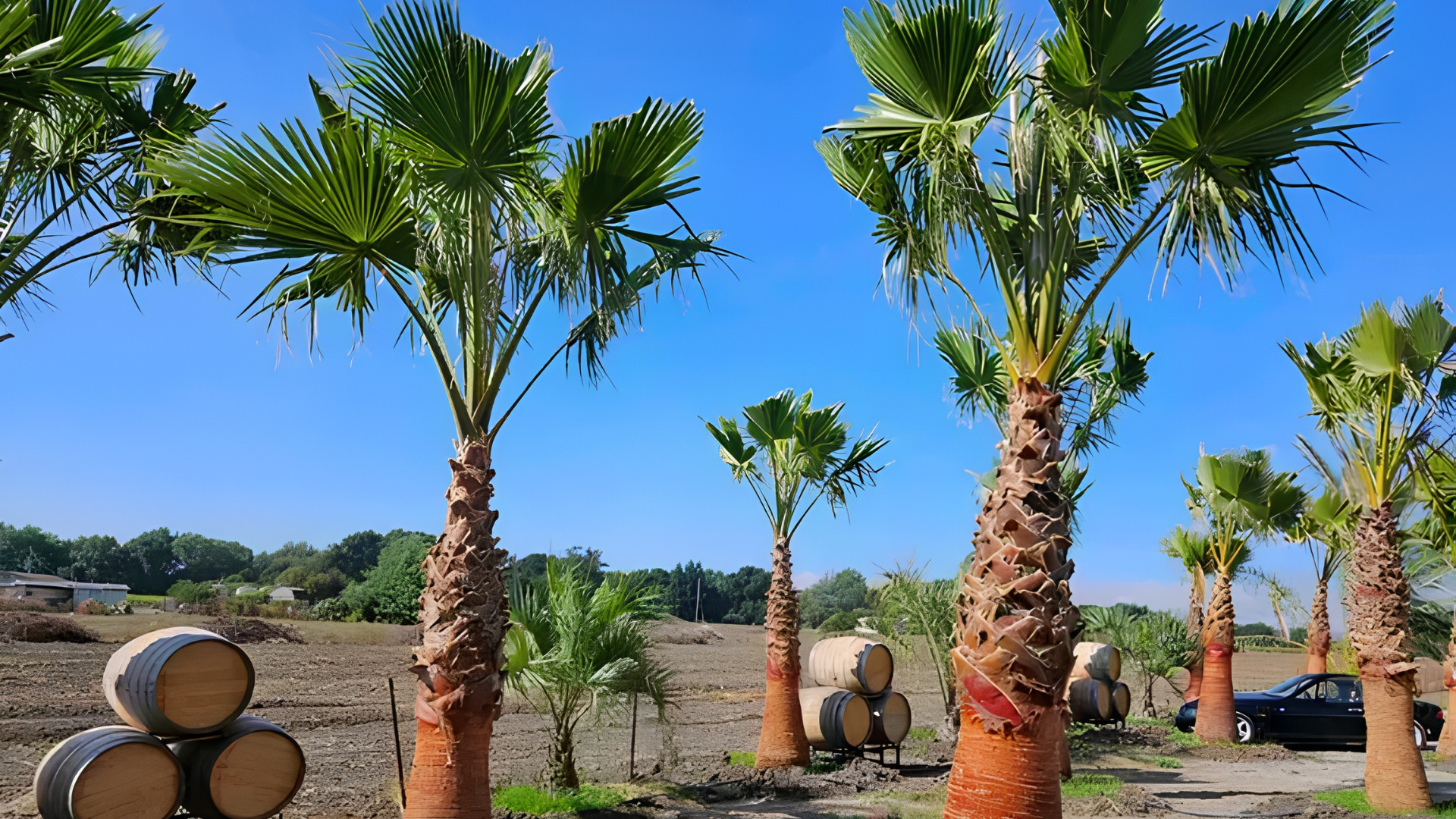
The amount of direct sunlight a planting area receives can dramatically affect temperature and soil moisture.
A south-facing side of a property may stay warmer for much of the day, while a north-facing area may remain cooler and shaded.
That difference can influence which plants perform well.
A more tender palm may benefit from a warmer, protected exposure, while another plant may prefer relief from strong afternoon sun.
Before choosing a specimen, it helps to observe how sunlight moves across the property during different parts of the day.
Walls Can Create Warmer Areas
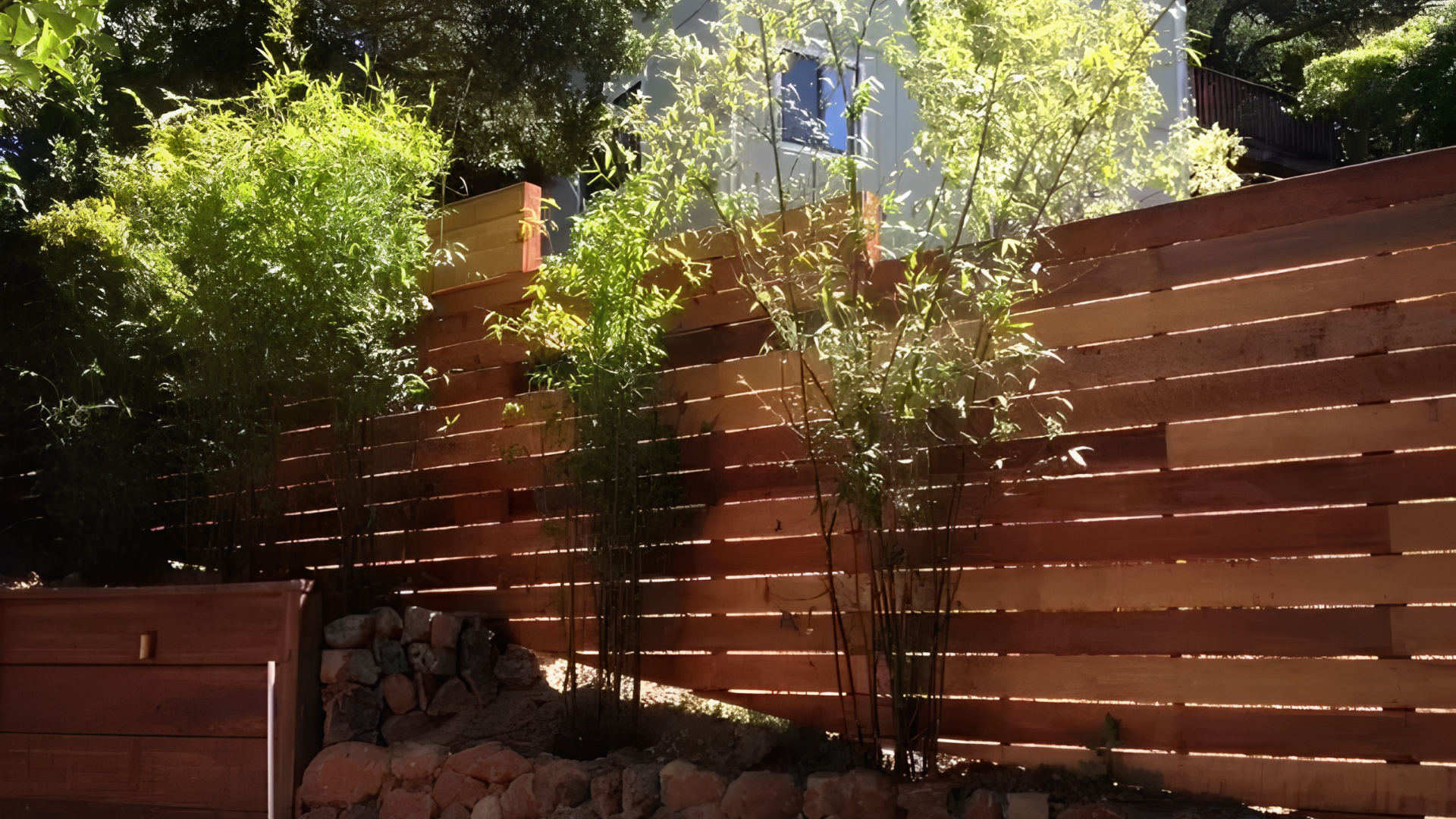
Buildings, masonry walls, fences, and paved surfaces can absorb heat during the day and release it slowly after temperatures fall.
That can create a warmer microclimate nearby.
A courtyard surrounded by walls may therefore remain noticeably milder than an exposed area only a short distance away.
This can sometimes expand the range of plants that can be used successfully in a protected location.
For people trying to create a tropical or exotic look in Northern California, these warmer pockets can be especially valuable.
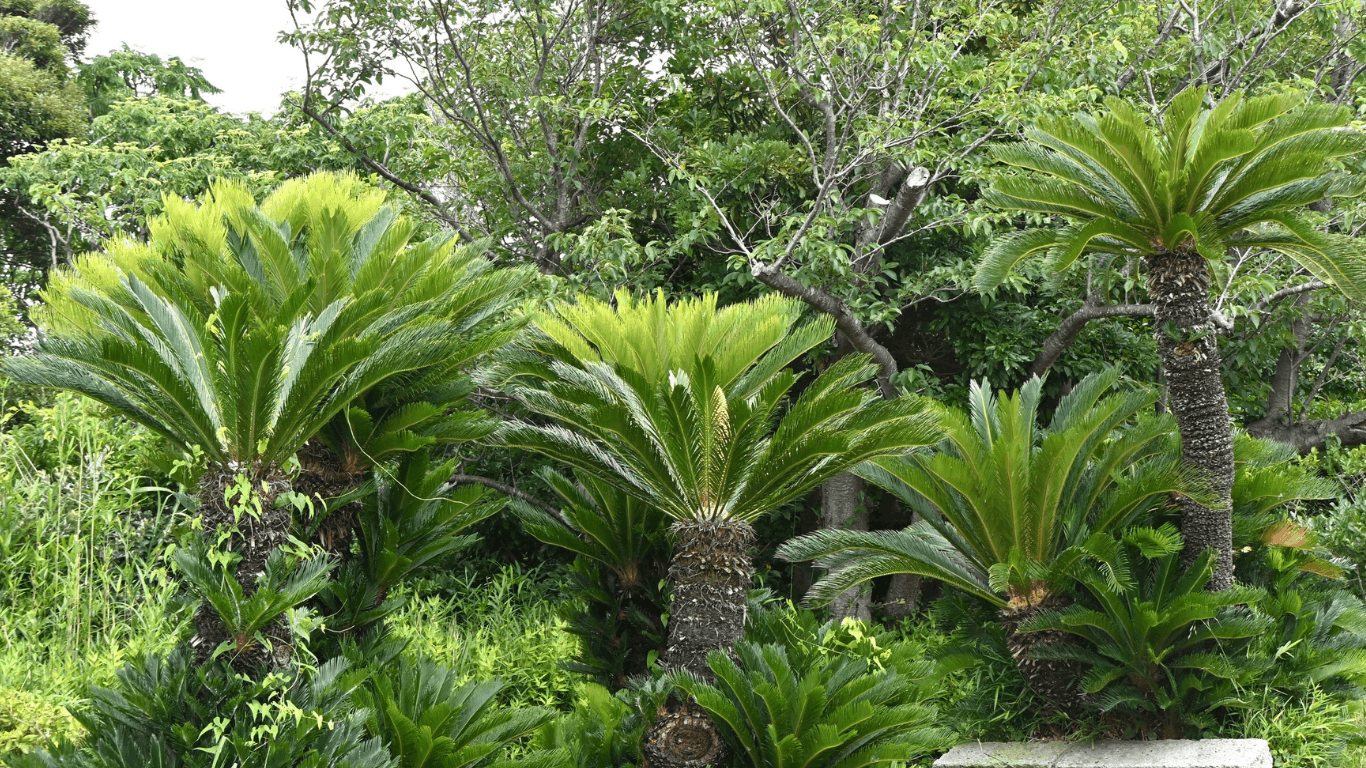
Wind Exposure Can Make One Area Much Harsher
Wind is another major factor.
An open side yard or exposed hillside may experience significantly more wind than a protected patio or courtyard.
Wind can dry foliage, increase water loss, and make cold temperatures more stressful for some plants.
Tall palms and bamboo may also respond differently depending on the intensity and direction of prevailing winds.
A plant that performs beautifully in a protected corner may struggle if placed in an open, windy location.
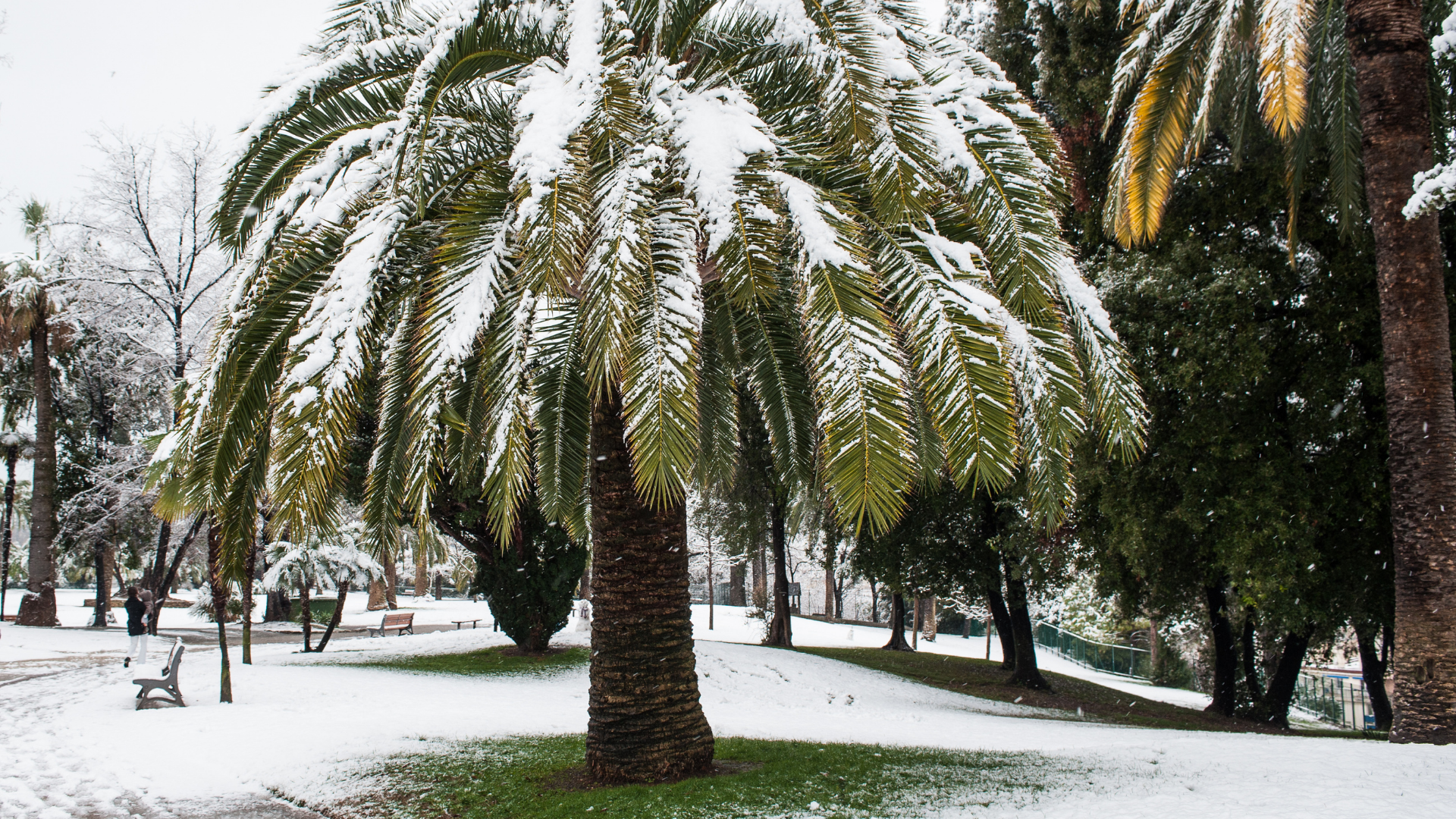
Cold Air Can Settle in Low Areas
Cold air tends to move downhill and collect in lower sections of a landscape.
These areas are sometimes called frost pockets.
A low spot in the yard may experience colder nighttime temperatures than a slightly elevated area nearby.
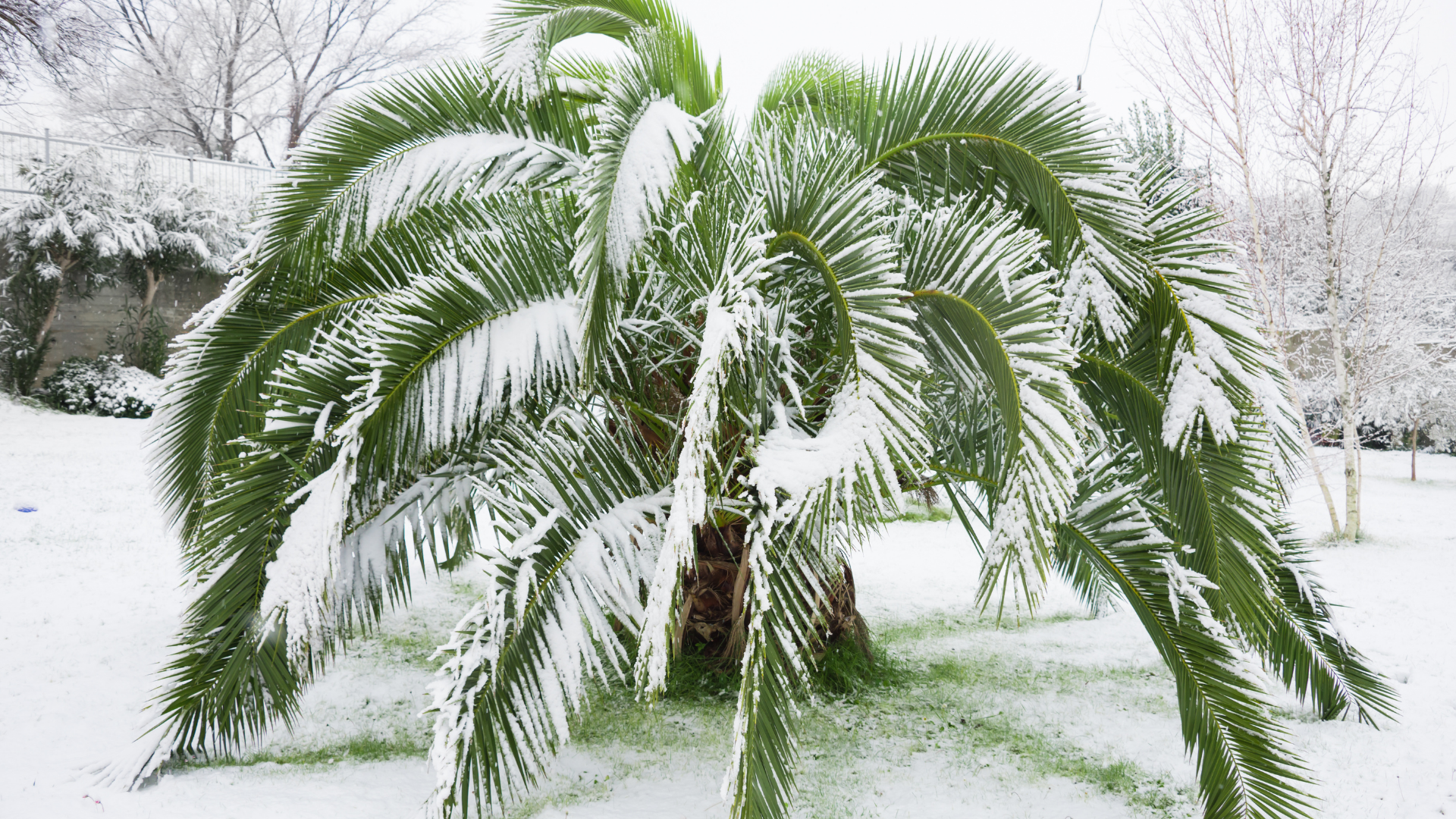
That can matter when choosing cold-sensitive palms or other tender plants.
A property may technically fall within a suitable regional climate zone, yet one low area could still experience conditions that are too cold for a particular specimen.
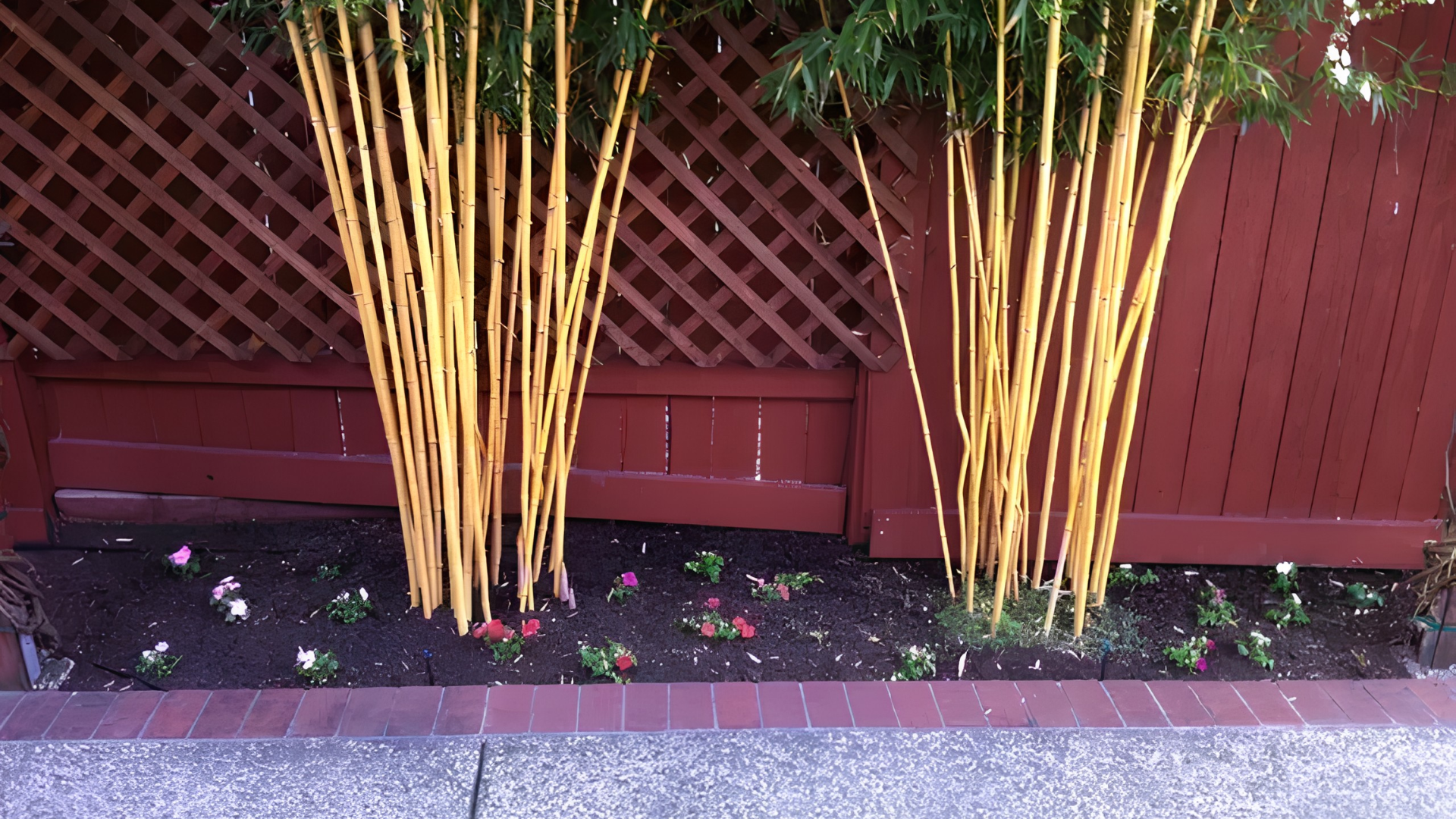
Soil Moisture Can Vary Across the Yard
Microclimates are not only about temperature.
Drainage and soil moisture can vary significantly from one side of the property to another.
One area may dry quickly because of sun and wind, while another stays damp because of shade, irrigation patterns, slope, or heavier soil.
This can influence root health and watering needs.
Bamboo, palms, olives, and other plants all have different preferences, so matching the plant to the moisture conditions can be just as important as matching it to temperature.
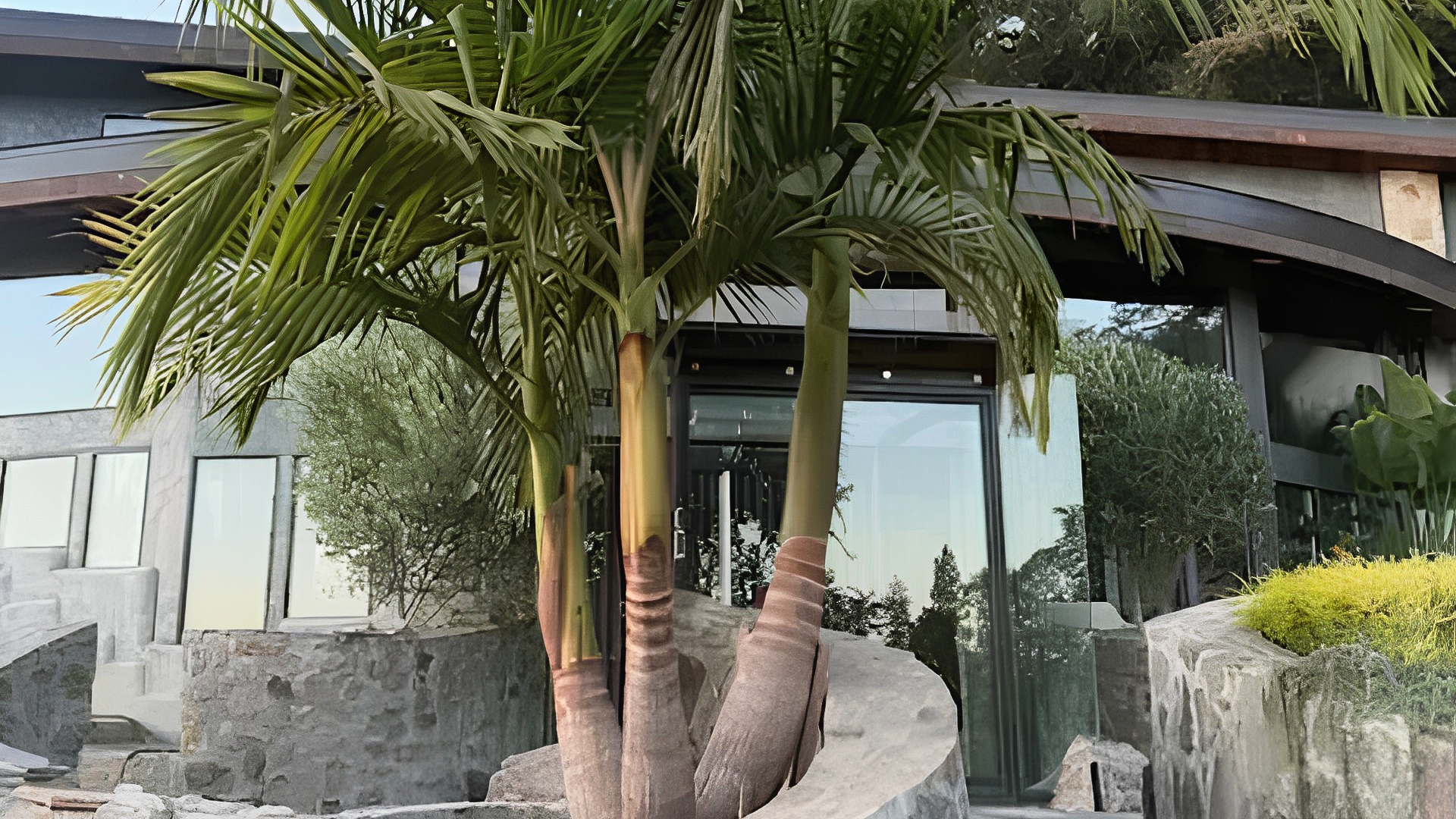
Architecture Can Create Unexpected Conditions
The house itself often changes the landscape.
Roof overhangs may keep some areas unusually dry. Downspouts can concentrate water in others. Tall walls may block winter sun but provide summer shade.
Concrete patios and driveways can radiate heat, while narrow side yards may remain cool and still.
These small differences are easy to miss when looking at the property as one uniform space.
A good landscape plan treats each planting area individually.
Microclimates Can Expand Your Plant Choices
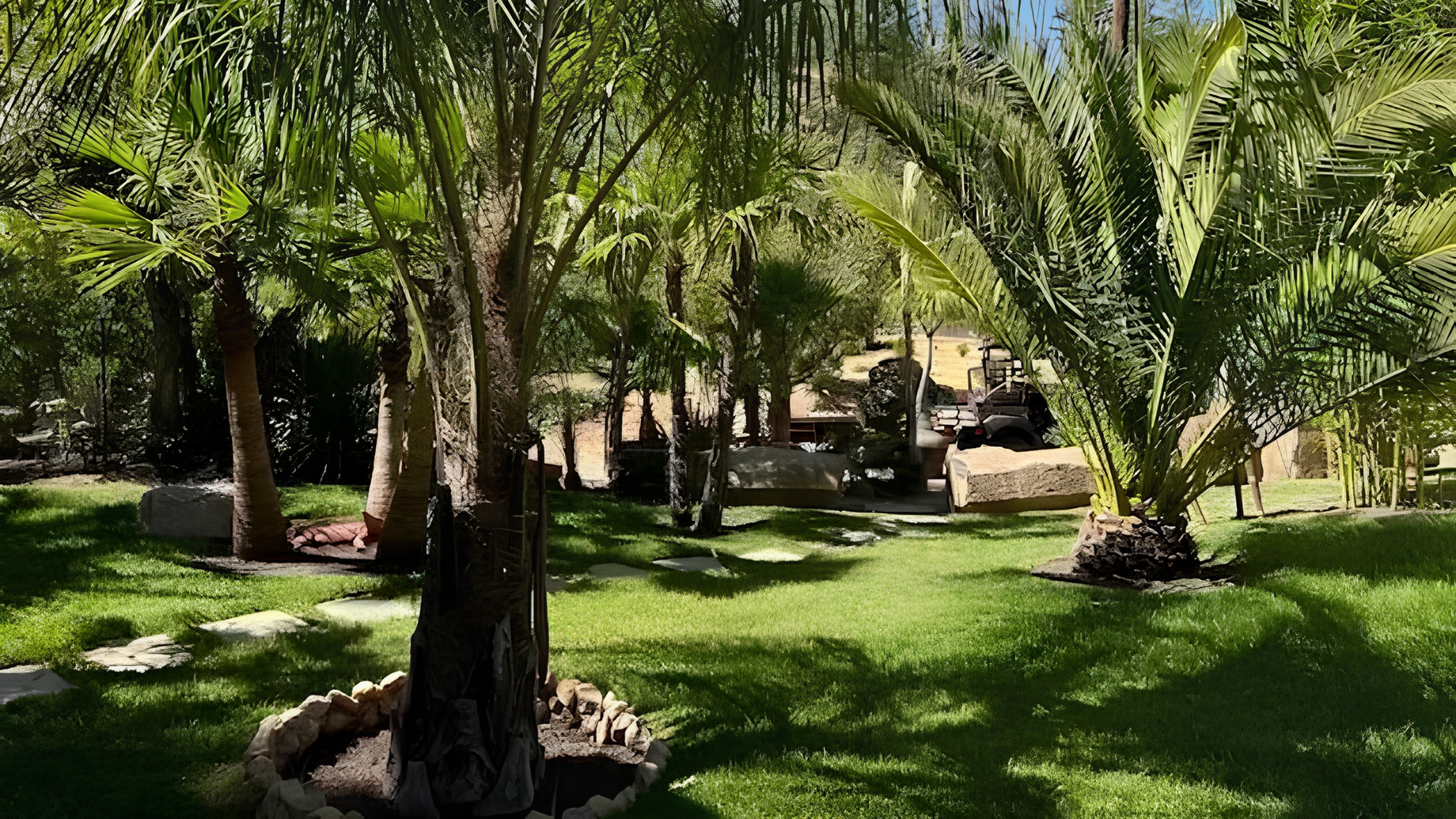
One of the most useful aspects of understanding microclimates is that they can create more design possibilities.
A protected south-facing courtyard may support plants that would be less successful in an exposed part of the yard.
Likewise, a cooler shaded area may be ideal for plants that would struggle in full afternoon sun.
Instead of asking only, “Will this plant grow in Northern California?” it is more useful to ask, “Will this plant grow in this exact location?”
That question leads to better long-term decisions.
Observe the Property Before You Plant
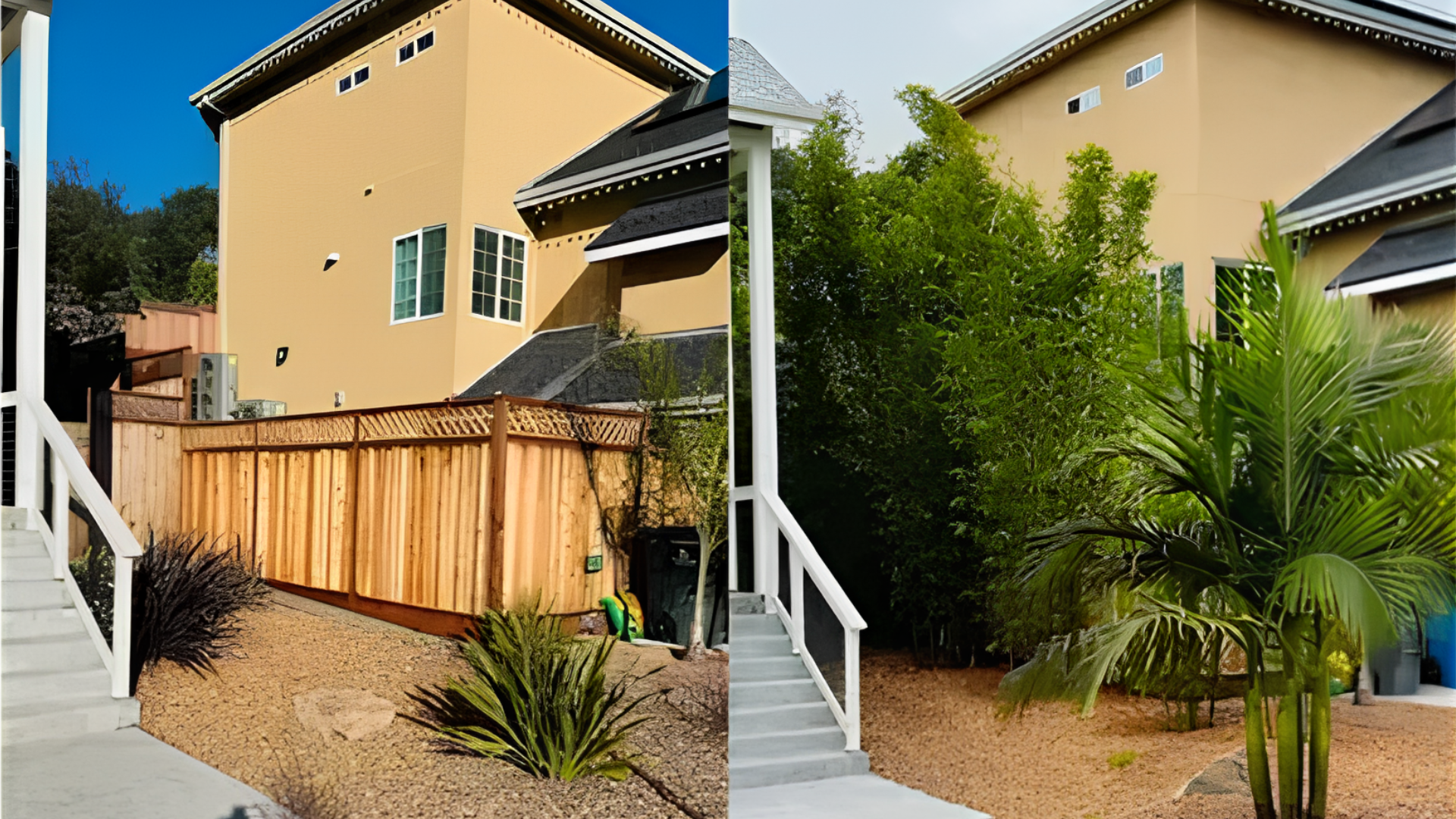
Spend time watching how the yard behaves.
Notice which areas receive morning or afternoon sun, where frost lingers, which locations dry quickly after rain, and where wind is strongest.
Those observations can help narrow down plant choices and reduce the risk of placing the wrong plant in the wrong environment.
Match the Plant to the Place
Jungle Bamboo and Palms is a six-acre specialty nursery in Cotati, California, offering bamboo, palms, olive trees, tree ferns, magnolias, podocarpus, bromeliads, and other distinctive plants suited to a range of Northern California landscapes.
With more than 65 years of combined landscape-industry experience, the team can help evaluate sun, wind, cold exposure, drainage, mature size, and other site conditions before recommending a plant.
If one side of your property seems to grow plants easily while another struggles, contact or visit Jungle Bamboo and Palms. Understanding the microclimates already present in your yard can help you choose plants that fit the site instead of forcing the site to fit the plant.