
Clumping vs. Running Bamboo: Which Is Better for Your Property?
Bamboo can be an excellent choice for privacy, screening, structure, and dramatic landscape design, but choosing the right type matters. One of the most important distinctions is whether the bamboo is clumping or running.
Both types can be attractive and useful, but they grow differently and require different planning. For homeowners in Northern California, understanding that growth habit before planting can help avoid future maintenance problems and make it easier to select bamboo that fits the property.
What Is Clumping Bamboo?
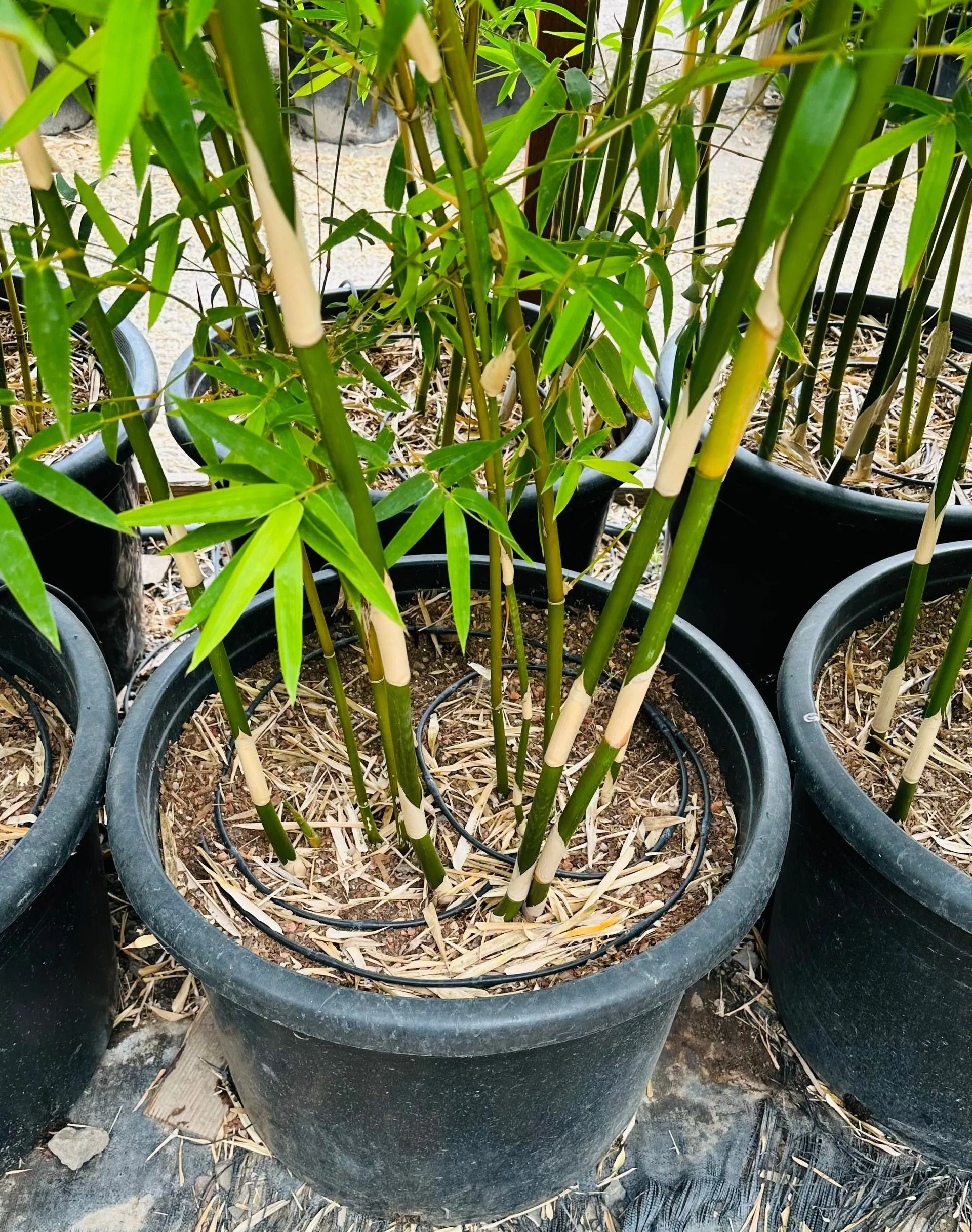
Clumping bamboo grows outward gradually from a central root mass.
New shoots generally emerge relatively close to the existing plant, causing the bamboo to expand as a widening clump rather than rapidly spreading across a large area.
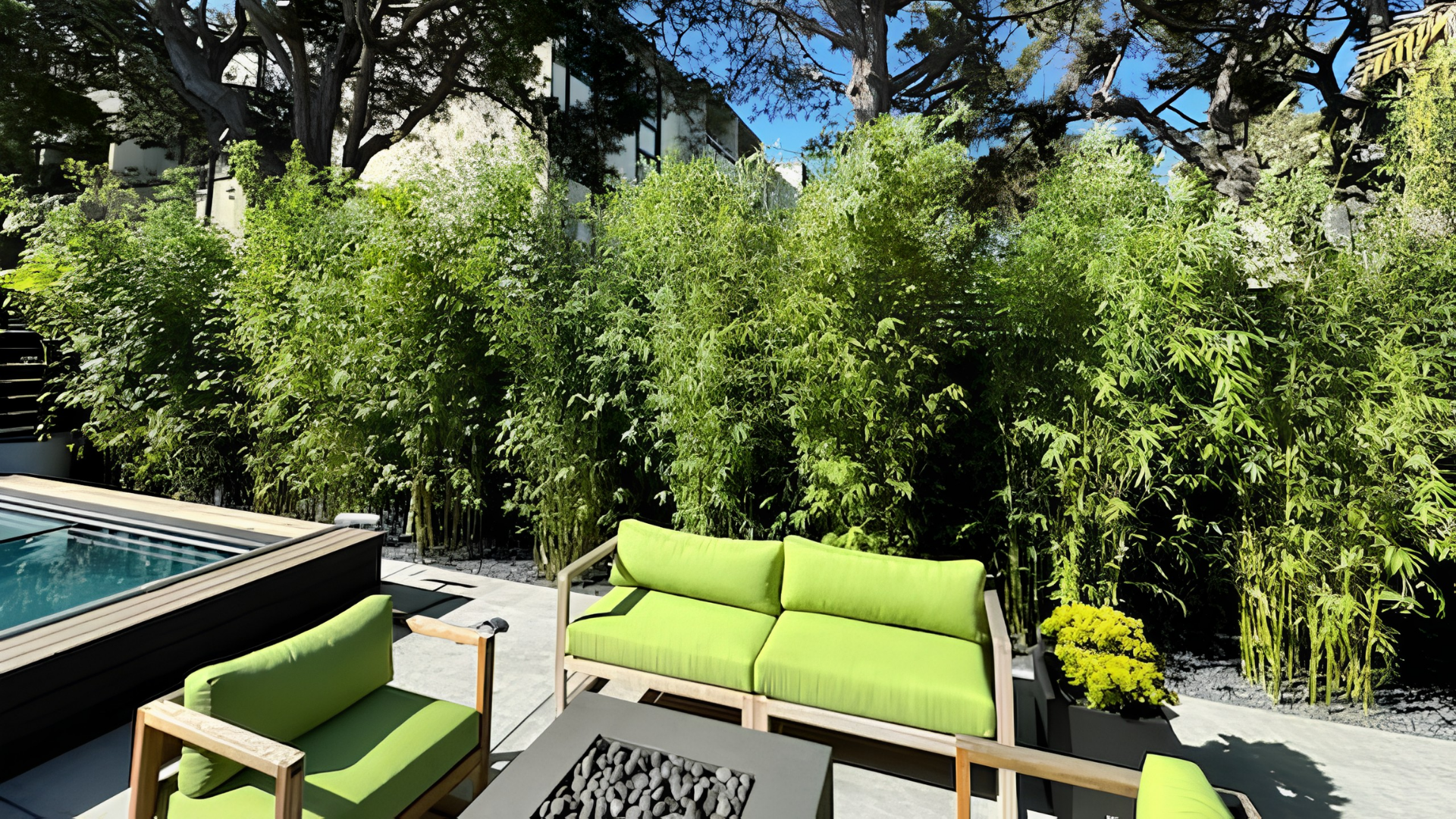
This more contained growth habit makes clumping bamboo appealing for homeowners who want the height, texture, and privacy of bamboo without managing aggressive underground spread.
Clumping varieties can work especially well near patios, property lines, courtyards, and other areas where maintaining a defined planting zone is important.
What Is Running Bamboo?
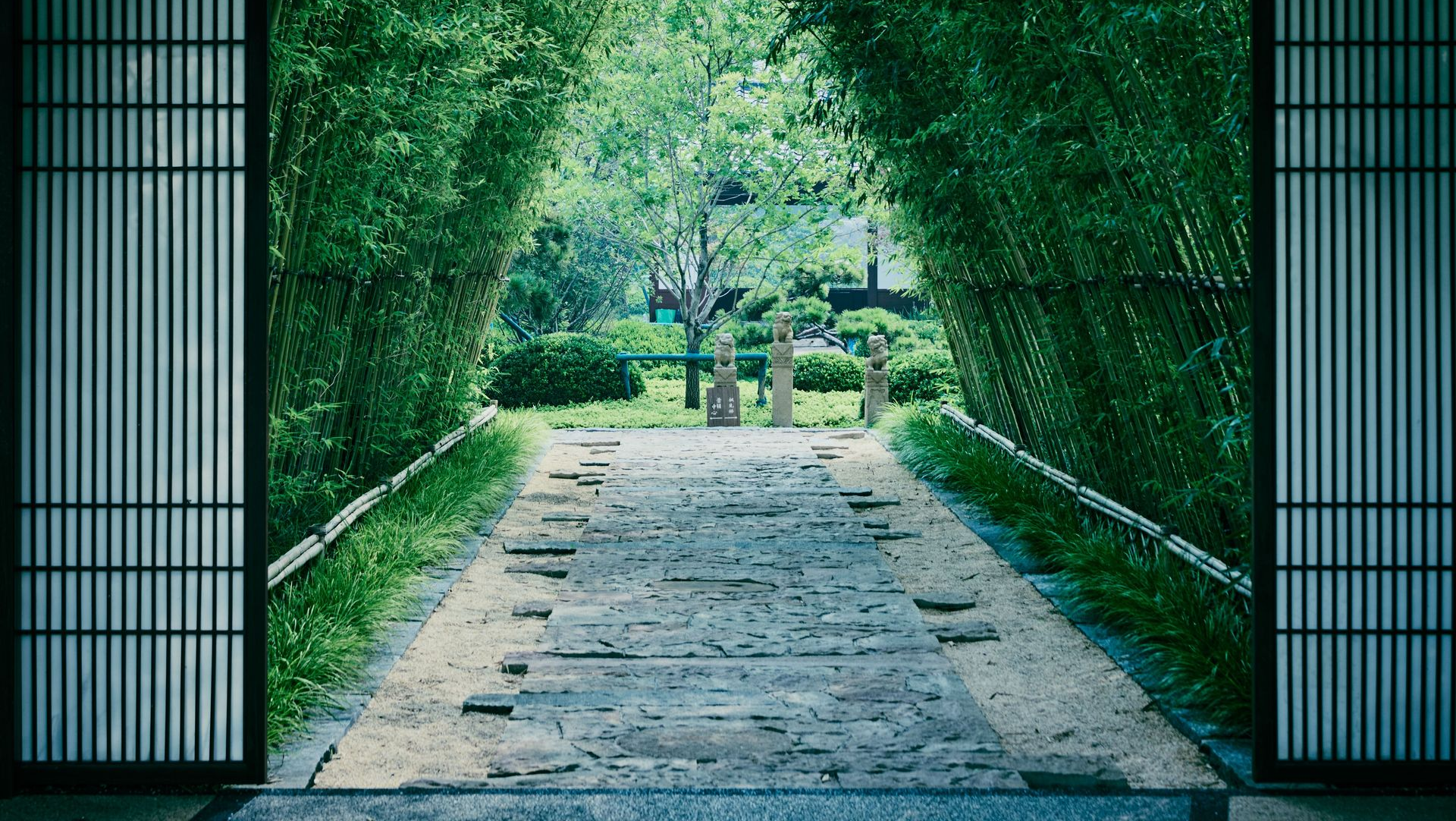
Running bamboo grows through underground stems called rhizomes that can travel outward from the original planting.
New shoots may emerge some distance away from the main plant, allowing running bamboo to cover an area much faster than most clumping varieties.
That growth can be useful when the goal is to create a dense screen or fill a larger space. However, it also means the planting requires more deliberate management.
Without proper planning, running bamboo can spread into areas where it was not intended.

Privacy Needs Can Influence the Choice
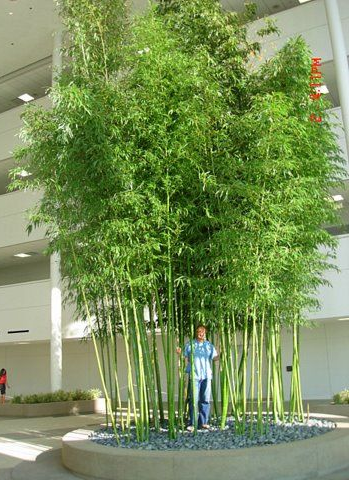
One of the most common reasons homeowners consider bamboo is privacy.
Both clumping and running bamboo can create excellent screening, but the best choice depends on the space.
If you have a narrow planting bed beside a fence, clumping bamboo may be easier to manage because its growth remains more concentrated.
A larger property where rapid coverage is desirable may benefit from certain running varieties, provided there is an appropriate strategy for containing their spread.
The desired height matters too. Bamboo species vary considerably in mature height, density, cane size, and overall appearance, so growth habit should not be the only factor considered.
Running Bamboo Requires Containment Planning
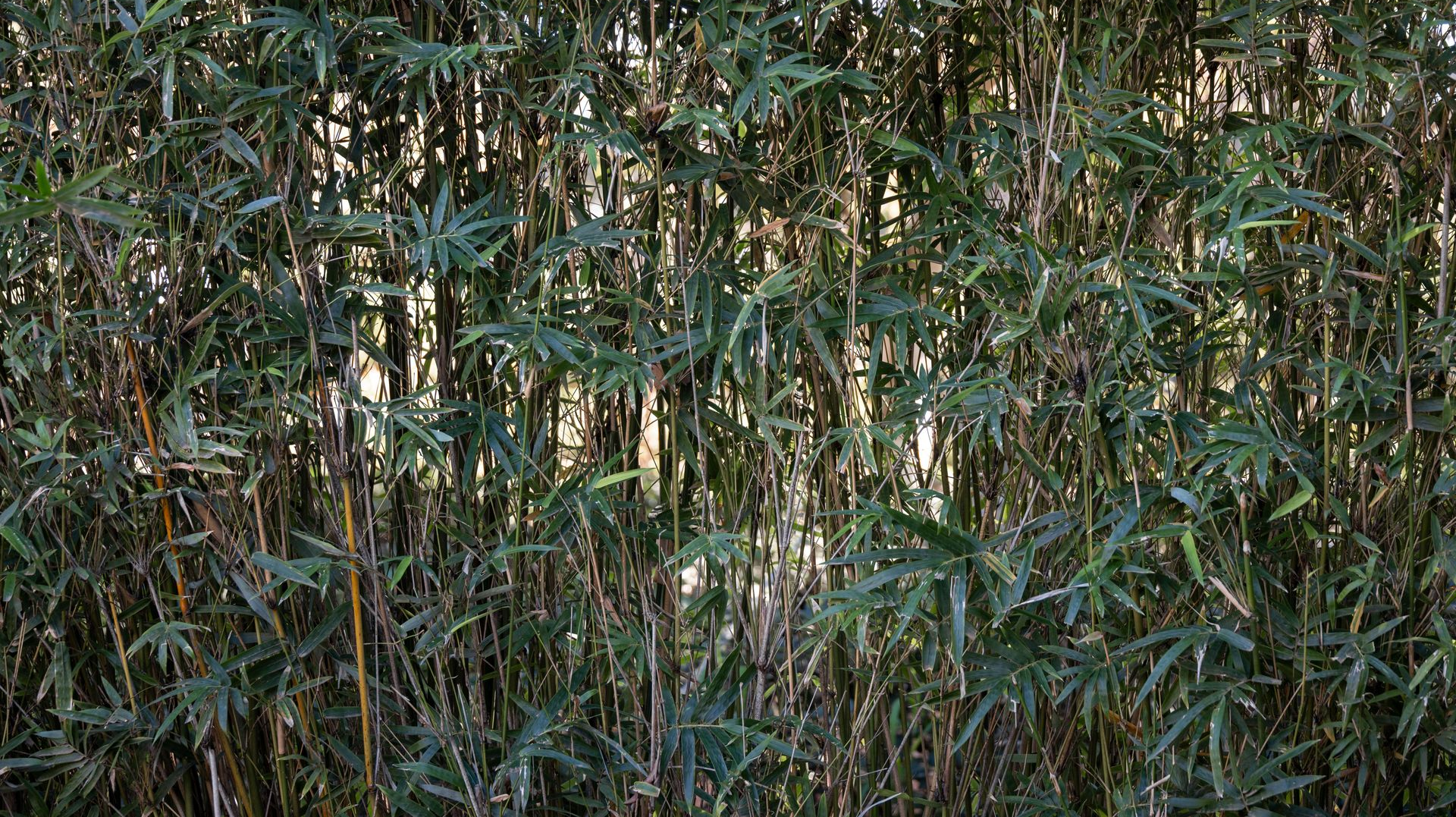
Running bamboo is not necessarily a poor landscape choice, but it should be planted with an understanding of how it grows.
Rhizome barriers are commonly used to limit underground spread. Proper placement, depth, installation, and ongoing monitoring are important because bamboo rhizomes tend to seek opportunities to travel beyond the intended planting area.
Regular maintenance may also include removing unwanted shoots and inspecting the perimeter of the planting.
Homeowners who prefer minimal management may therefore find a clumping variety more appropriate.
Climate Matters With Clumping Bamboo
Growth habit is only one part of choosing bamboo successfully.
Some clumping bamboos are associated with warm tropical climates and may not tolerate colder Northern California conditions as well as other varieties. Running bamboo includes many very cold-hardy species, while certain clumping varieties also perform well in cooler climates.
This makes cold hardiness particularly important when selecting bamboo around Cotati and other parts of Northern California.
A sheltered location may experience very different winter conditions from an exposed hillside or low area where cold air settles.
Consider the Mature Plant, Not the Nursery Pot
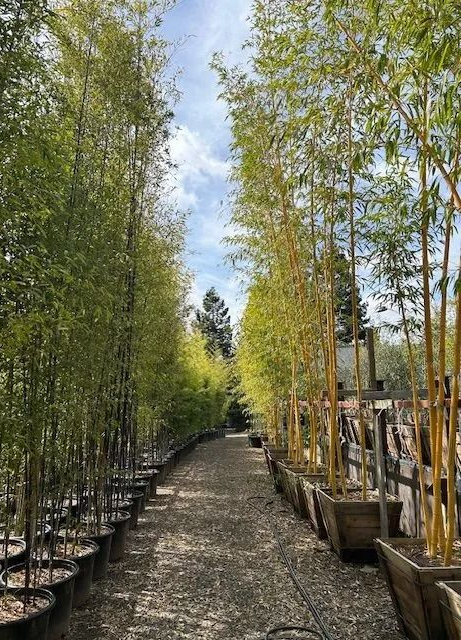
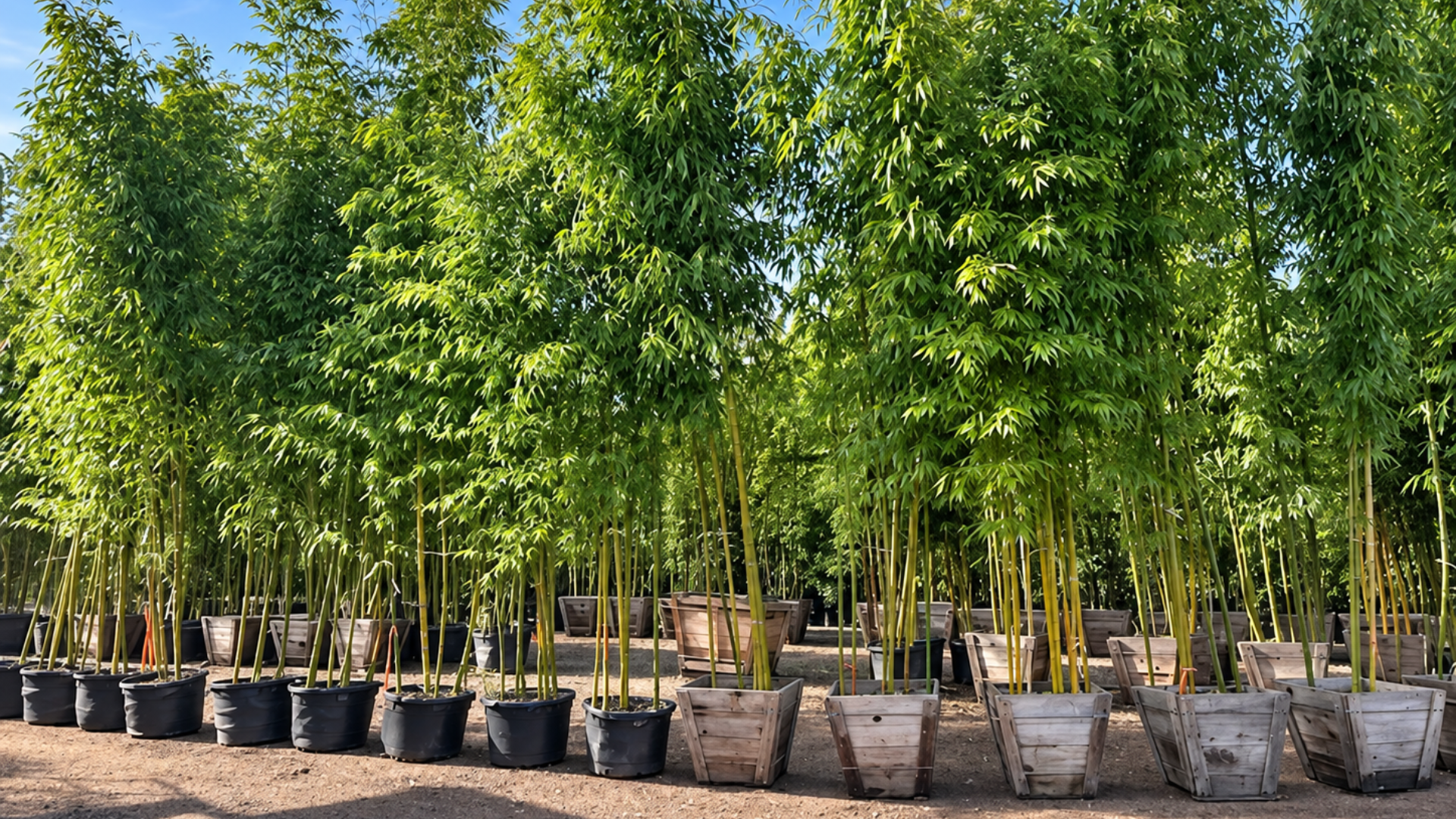
A bamboo plant may look small when purchased, but that does not tell you how much space it will eventually occupy.
Before planting, consider mature height, clump width, cane diameter, density, and distance from nearby structures.
Think about how the bamboo will interact with fences, walkways, neighboring properties, utilities, and other plants several years from now.
Choosing based on mature dimensions can prevent a beautiful privacy planting from becoming crowded or difficult to maintain later.

The Right Choice Depends on the Property
There is no universal winner between clumping and running bamboo.
Clumping bamboo is often attractive for homeowners who want more predictable expansion and easier containment. Running bamboo may be useful when rapid growth, cold hardiness, or broad screening is a priority and the property can accommodate proper management.
The best decision comes from matching the specific bamboo variety to the site rather than choosing by appearance alone.
Find Bamboo That Fits Your Landscape
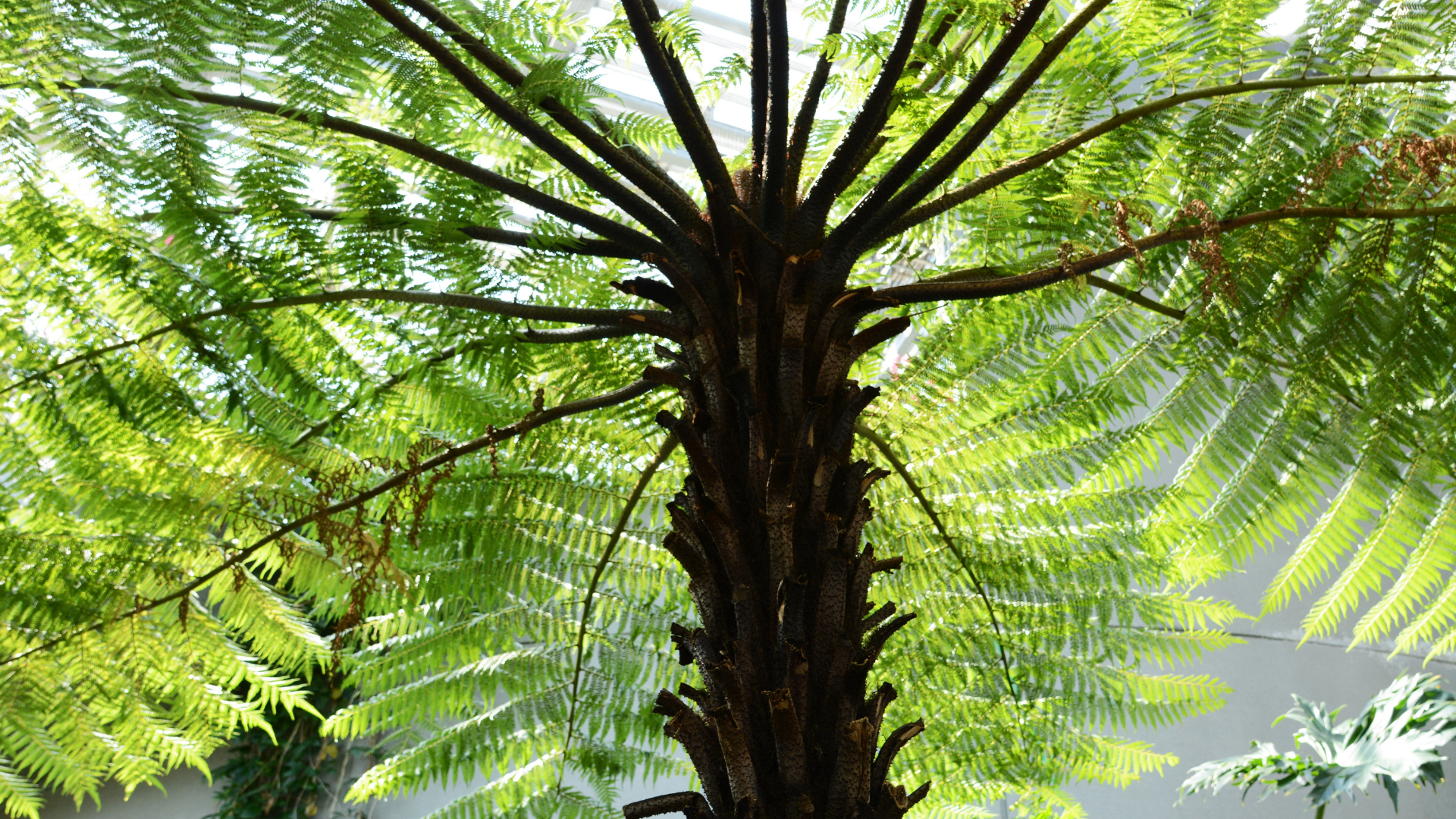
Jungle Bamboo and Palms is a six-acre specialty nursery in Cotati, California, offering an extensive selection of bamboo along with palms, olive trees, tree ferns, magnolias, podocarpus, bromeliads, and other distinctive landscape plants.
With decades of combined landscape-industry experience, the team can help homeowners consider mature size, privacy goals, cold hardiness, available space, and maintenance requirements before selecting a bamboo variety.
If you are planning a privacy screen, accent planting, or larger landscape project, visit Jungle Bamboo and Palms to explore bamboo options suited to Northern California and find a variety that works with your property rather than against it.