
Why Cold Hardiness Should Be One of Your First Palm-Selection Questions
Palm trees are often associated with warm tropical climates, but many species can grow successfully in cooler regions when they are matched carefully to local conditions. In Northern California, choosing a palm based on appearance alone can lead to disappointment if the tree is not suited to winter temperatures.
For homeowners, landscapers, and designers, cold hardiness should be one of the first factors considered when selecting a palm. Jungle Bamboo and Palm Nursery specializes in climate-adapted and cold-resistant palms for Northern California landscapes, where temperatures and microclimates can vary considerably from one property to another.
What Does Cold Hardiness Mean?
Cold hardiness describes a plant’s ability to tolerate low temperatures without suffering serious damage.
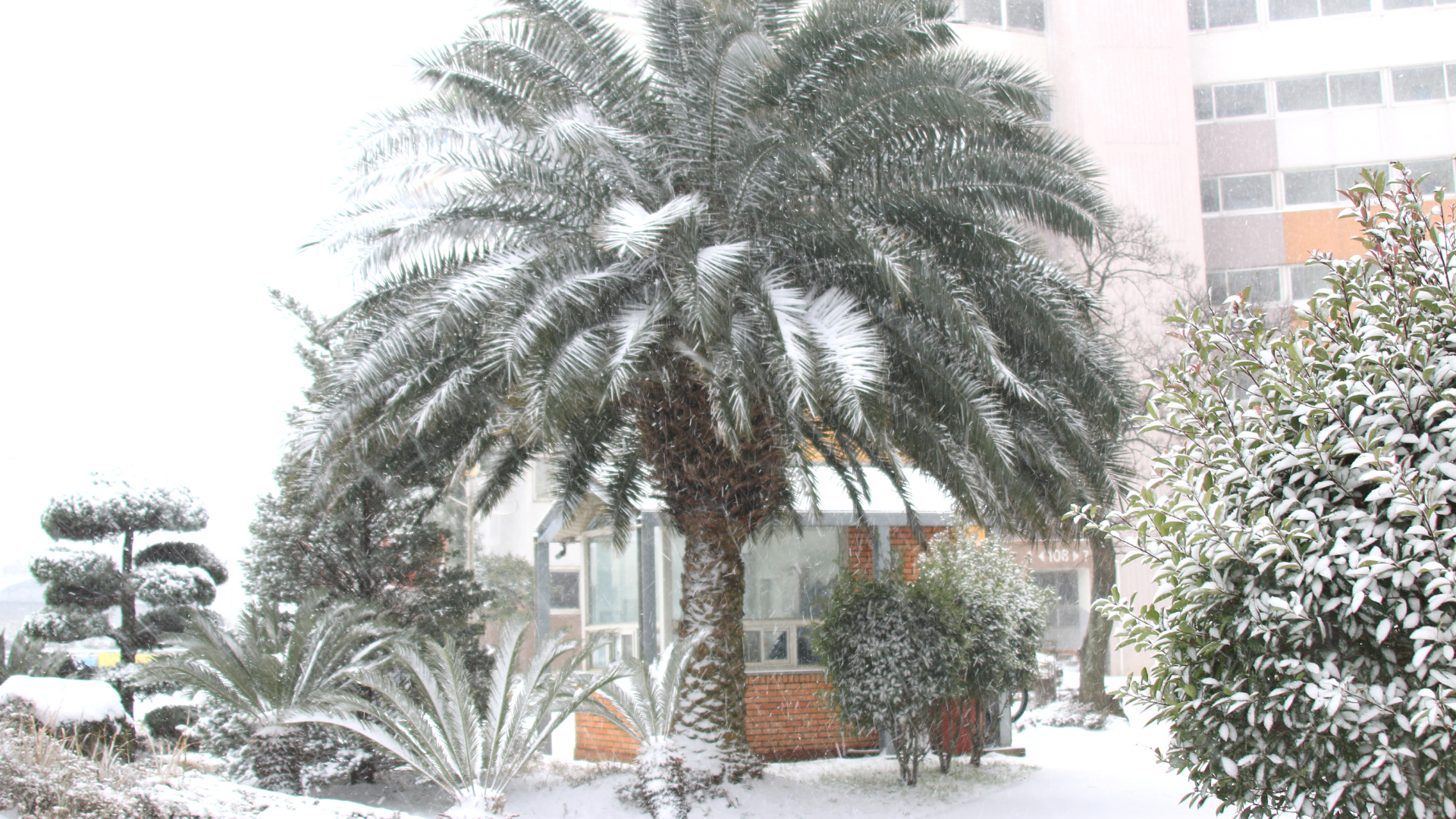
Different palm species have very different limits. Some are adapted to consistently warm climates and may be damaged by relatively mild frost. Others can tolerate brief periods of freezing temperatures and recover without significant problems.
That does not mean every cold-hardy palm will perform equally well everywhere. Duration of cold, wind exposure, moisture, soil drainage, tree age, and overall health can all influence how a palm responds to winter weather.
Northern California Is Not One Climate
One of the challenges of selecting palms in Northern California is the region’s wide range of microclimates.
A property influenced by coastal conditions may experience relatively mild winters, while another location farther inland can see much colder nighttime temperatures. Valleys and low areas may also collect cold air, creating frost pockets that are noticeably cooler than nearby slopes or protected properties.
Even within the same neighborhood, one yard may offer a sheltered planting location while another is exposed to wind and freezing conditions.
This makes local knowledge especially valuable when choosing palms.

Frost Damage Can Affect More Than Appearance
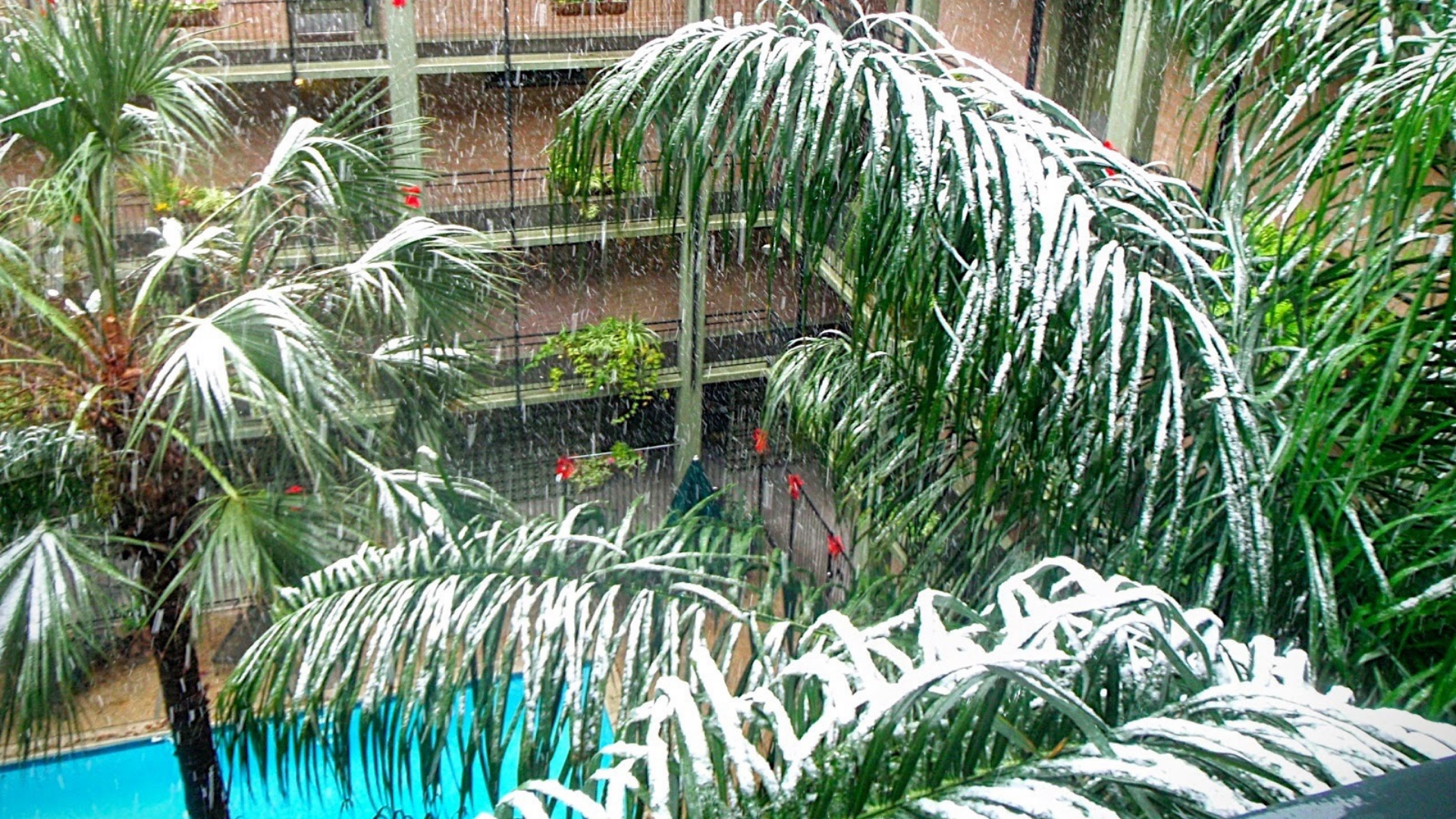
Cold damage can initially appear as browning, spotting, or damaged fronds.
More severe exposure can affect the palm’s growing point. Unlike many branching trees, palms typically grow from a central growing point near the top of the trunk. Significant damage to this area can be much more serious than losing a few leaves.
Selecting a species appropriate for the expected winter conditions helps reduce the likelihood of recurring cold injury.
A palm that must recover from significant winter damage every year may never develop the healthy, attractive appearance the landscape was designed to achieve.
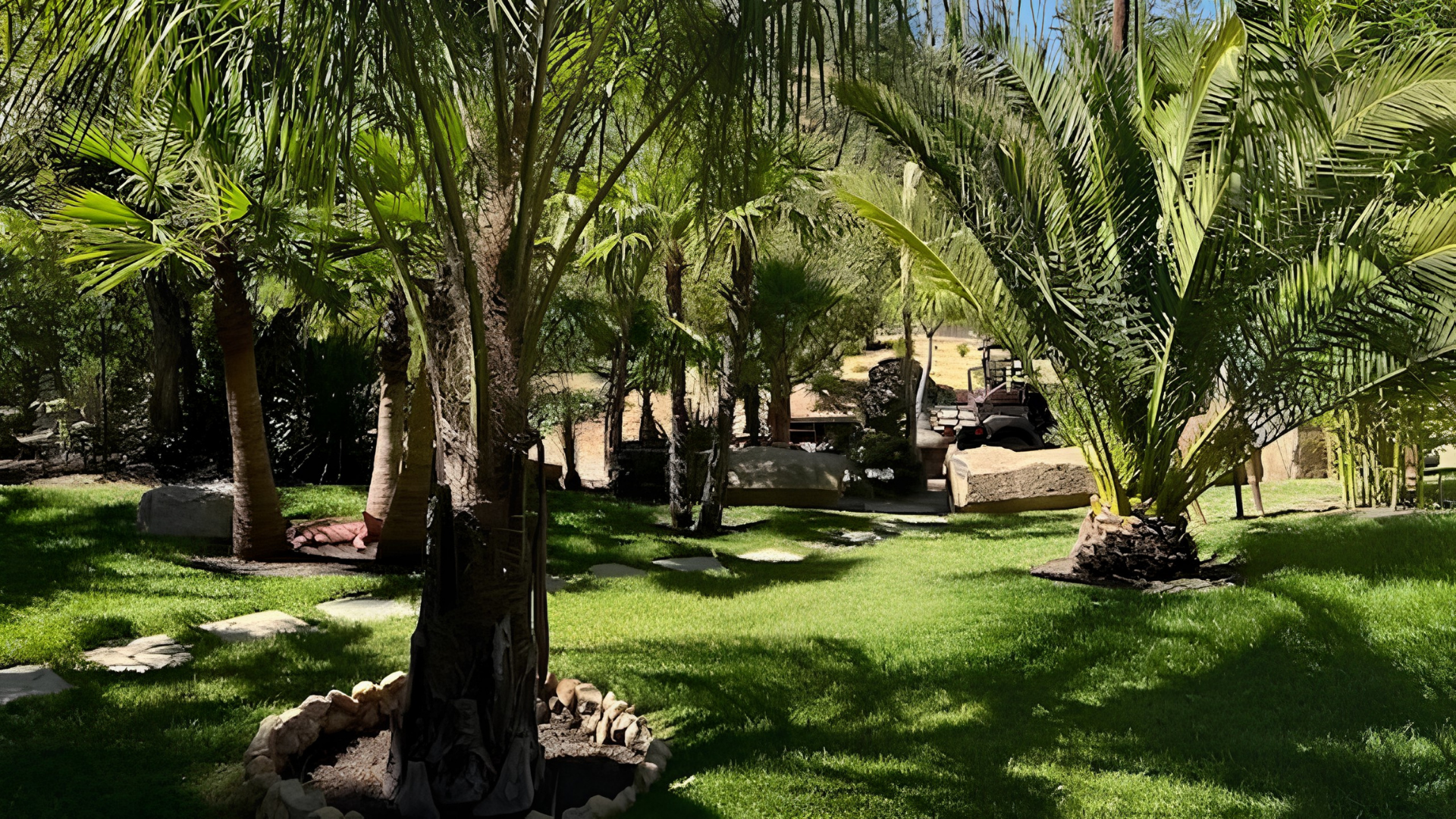
Think About the Planting Location
Palm selection and palm placement should be considered together.
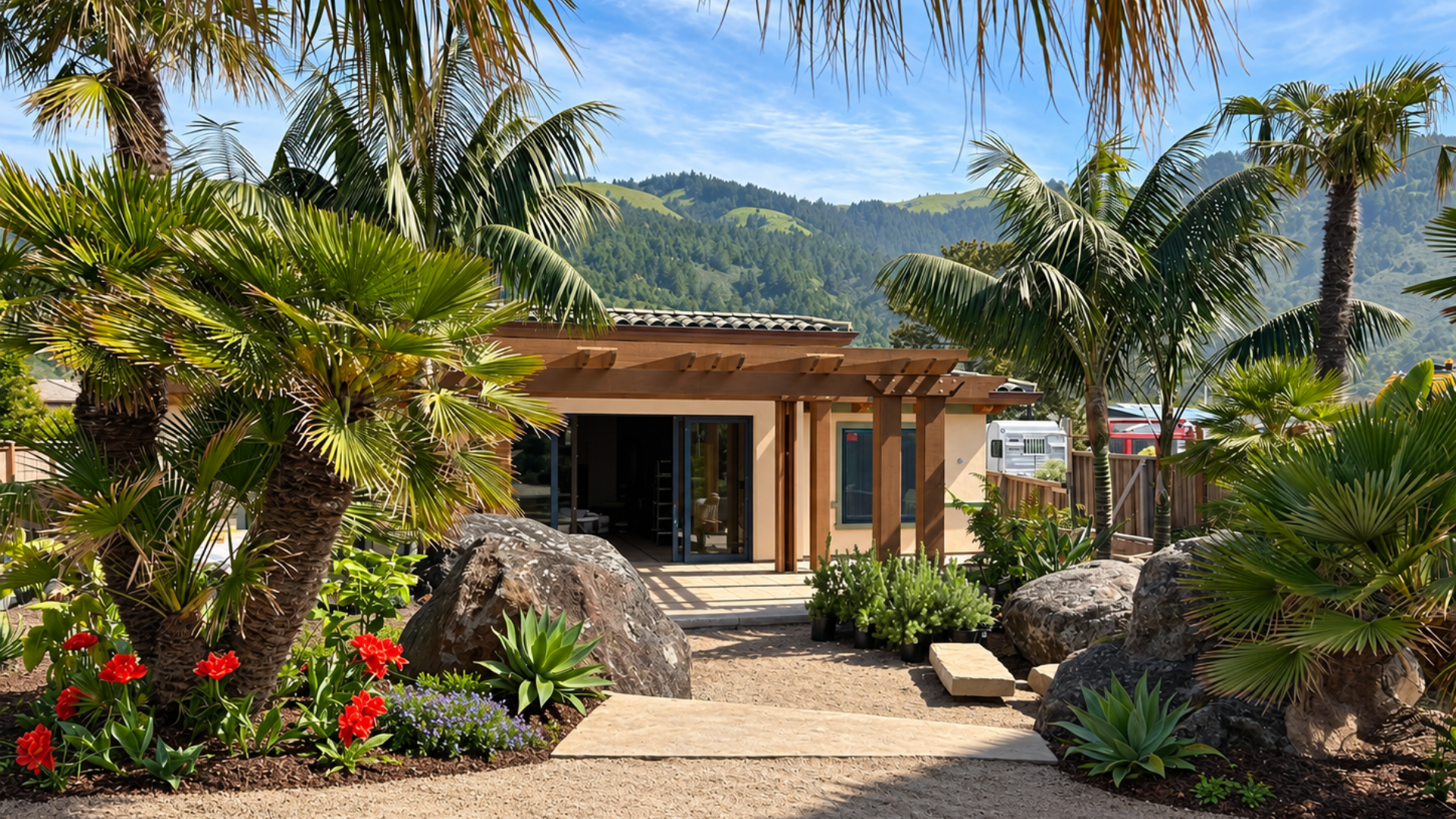
A location near a building or protected courtyard may remain warmer than an exposed part of the yard. Walls can sometimes provide protection from wind and create warmer localized conditions.
Exposure also matters. A palm planted where cold winter winds repeatedly strike it may experience more stress than the same species in a sheltered location.
Good drainage is another consideration. Cold, waterlogged soil can be particularly difficult for plants that prefer well-drained growing conditions.
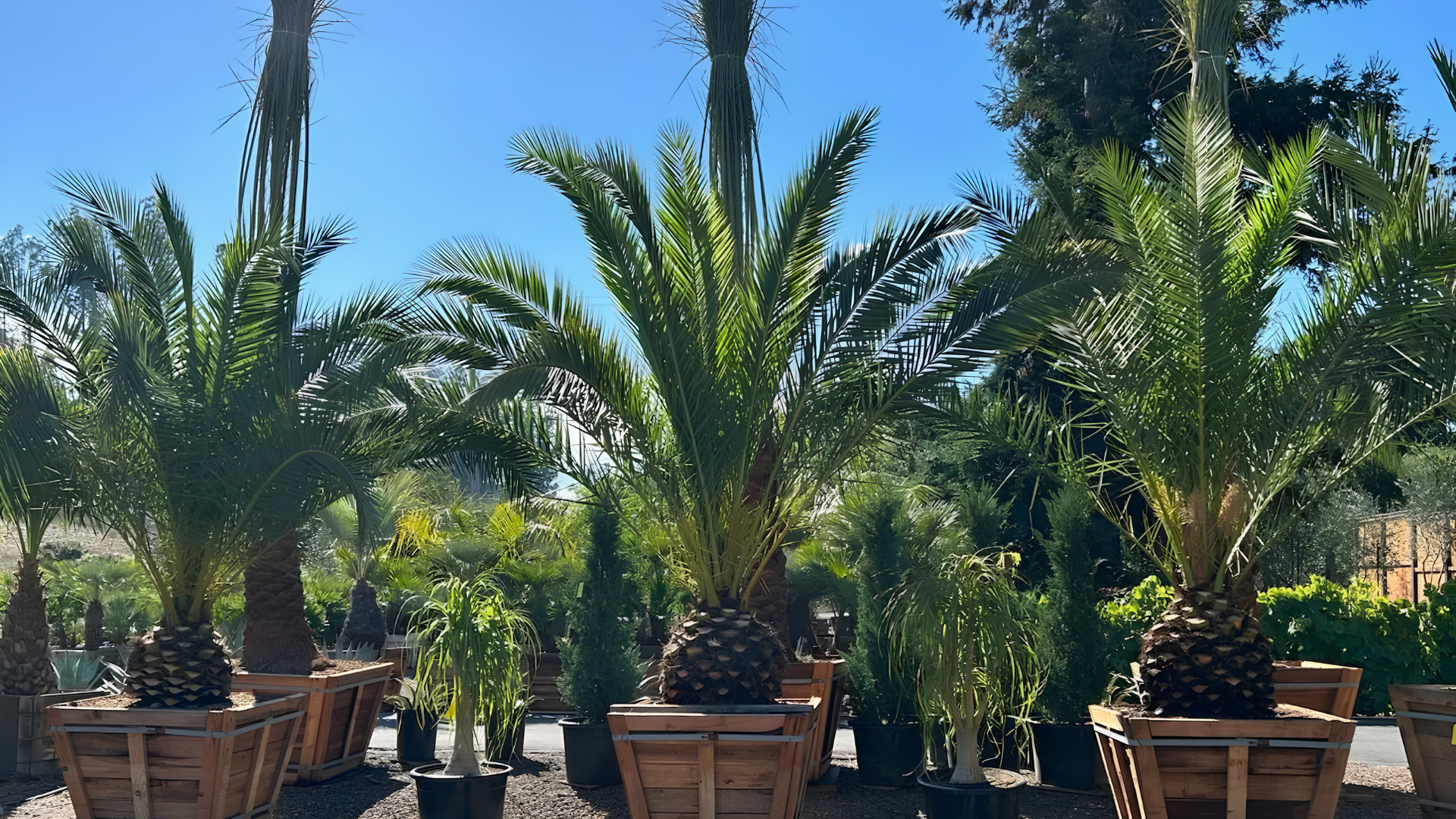
Mature Size Still Matters
Cold hardiness should be an early question, but it should not be the only question.
Once suitable species have been identified, consider mature height, canopy width, trunk form, sunlight requirements, and proximity to structures.
A palm may tolerate the local climate perfectly but still be a poor choice if it eventually becomes too large for the space.
Planning for the mature plant helps avoid placing palms too close to roofs, utility lines, walkways, driveways, pools, or neighboring properties.
Cold-Hardy Palms Can Still Create a Tropical Look
Choosing for climate does not mean giving up the appearance you want.
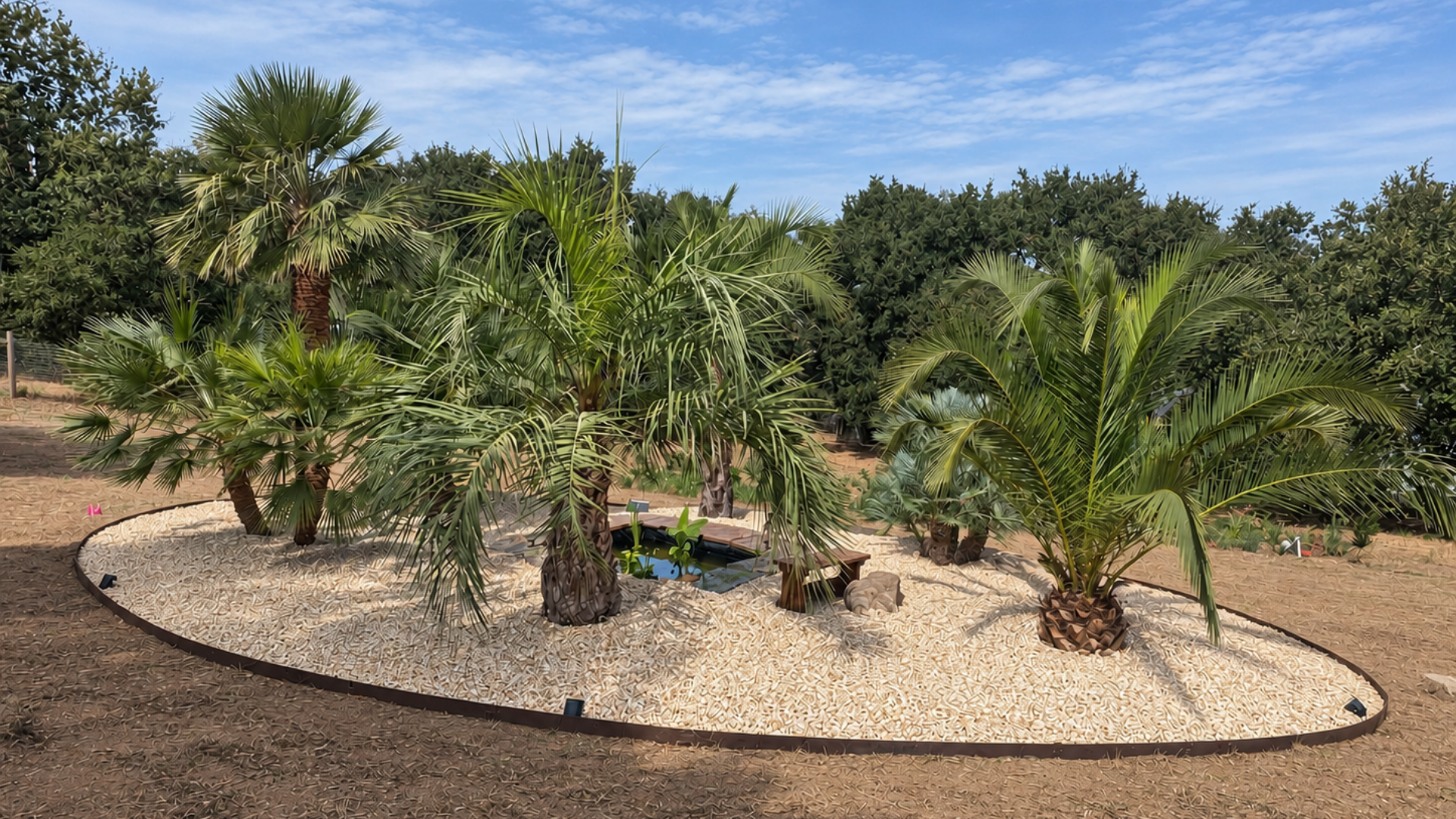
Cold-tolerant palms can provide strong vertical accents, distinctive foliage, and the architectural character associated with warmer landscapes. They can also be combined with bamboo, olive trees, tree ferns, and other specimen plants to create a lush or exotic design that is better suited to Northern California conditions.
The goal is not to force a truly tropical plant into an unsuitable climate. It is to choose plants that create the desired visual effect while having a realistic chance of thriving.
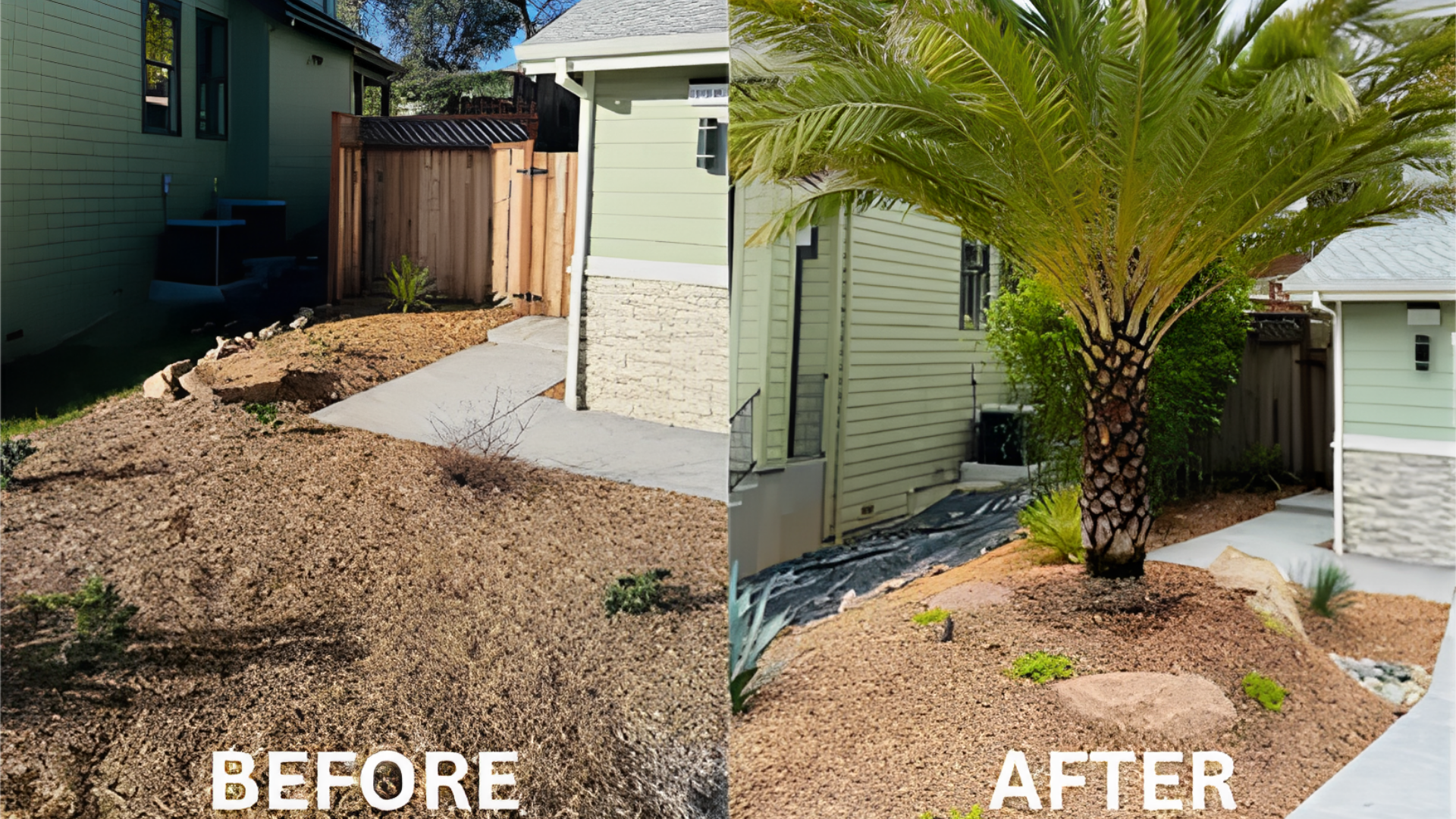
Start With Climate, Then Choose for Beauty
Palm trees are long-term landscape investments, so selecting the right species from the beginning matters. Cold hardiness, microclimate, wind exposure, drainage, mature size, and overall design should all influence the decision.
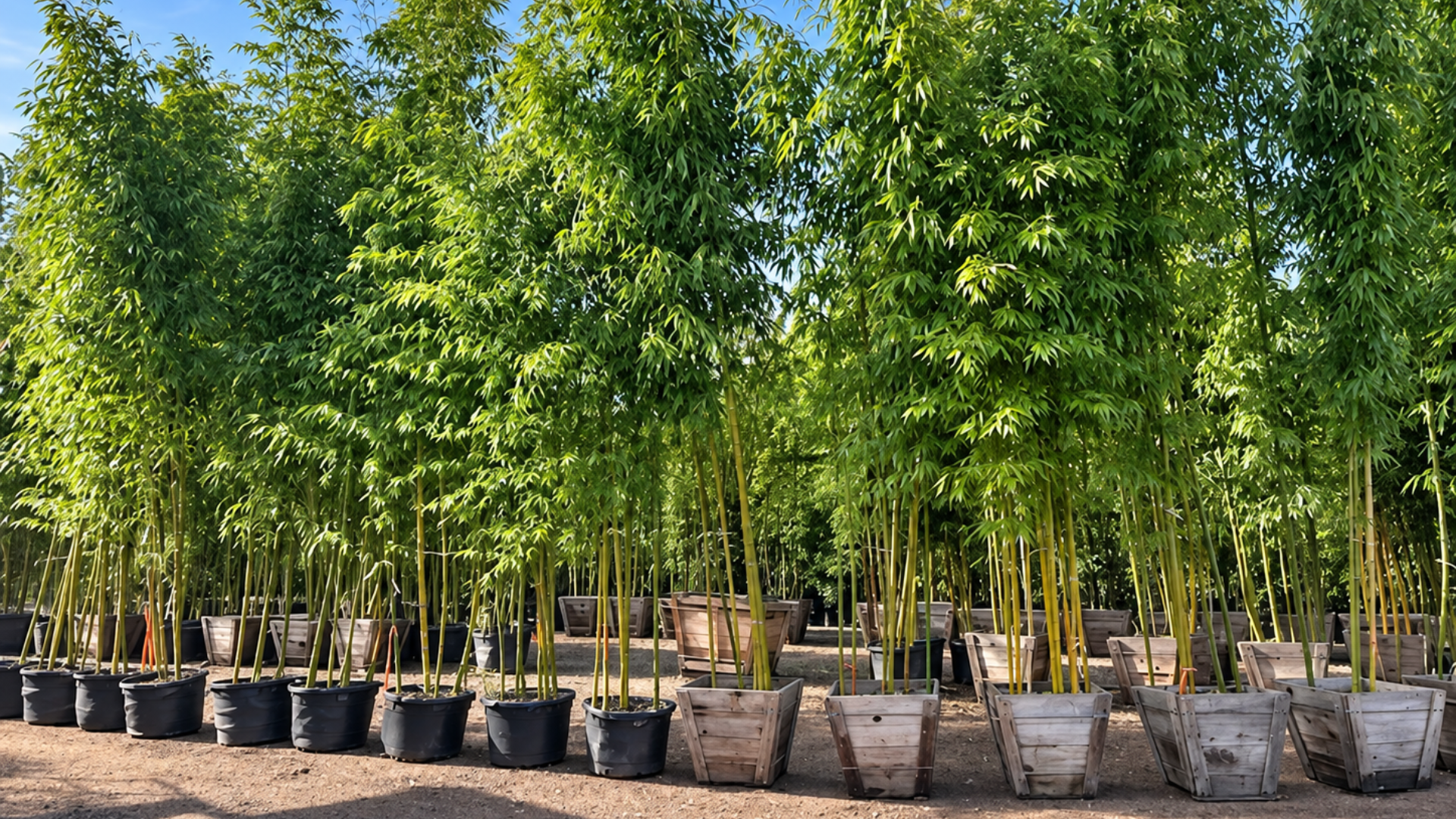
Jungle Bamboo and Palm Nursery is a six-acre specialty nursery in Cotati serving Northern California with a broad selection of palms, bamboo, olive trees, tropical plants, and unusual specimen plants. With more than 65 years of combined landscape-industry experience, the team can help customers compare palm varieties based on both appearance and growing conditions.
Before choosing a palm simply because you like how it looks, contact Jungle Bamboo and Palm Nursery for guidance on varieties suited to your property and Northern California climate.